5 Core Benefits: Your Smart electronic flowerpot Strategy
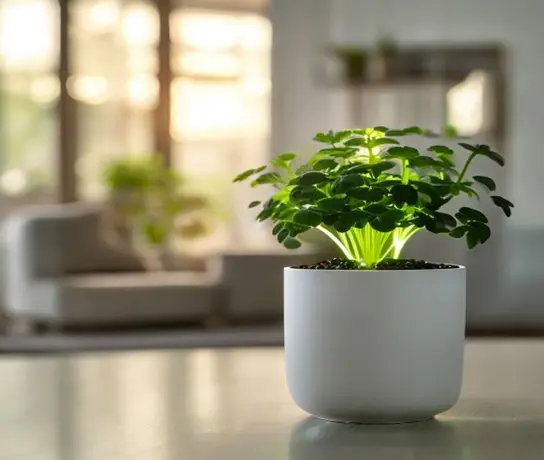
electronic flowerpot
An electronic flowerpot revolutionizes plant care by automating critical aspects of cultivation, making indoor gardening accessible and efficient for everyone. These intelligent containers integrate technology to monitor and adjust environmental conditions, ensuring optimal plant health without constant manual intervention. They represent a significant leap from traditional planters, providing precise control over elements like watering, lighting, and nutrient delivery.
For any home or living space, understanding the mechanics and strategic advantages of these systems is key to maximizing green growth and minimizing effort. This guide provides a deep dive into the technology, benefits, and practical considerations for integrating an advanced electronic flowerpot into your environment.
The Anatomy of an Advanced electronic flowerpot System
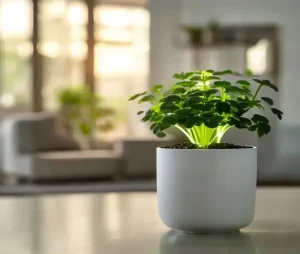
Unlike conventional pots, an electronic flowerpot isn’t just a vessel for soil. It’s a sophisticated ecosystem designed for plant prosperity. Core components typically include a water reservoir, a nutrient delivery system, various environmental sensors, and a control unit, often with connectivity options.
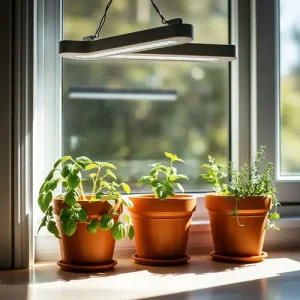
Sensor arrays are fundamental, commonly tracking soil moisture, light intensity, and ambient temperature. More advanced units may include pH level detection and nutrient concentration monitoring. This data feeds into a central processor, which then triggers automated responses, such as activating a pump for watering or illuminating integrated LED grow lights.
Decoding Sensor Technology in Your electronic flowerpot
The precision offered by an electronic flowerpot hinges on its sensor suite. Moisture sensors, for instance, prevent both overwatering and underwatering—two of the most common plant killers. Optical sensors measure light spectrum and intensity, adjusting integrated grow lights to mimic natural daylight cycles or specific plant needs.
Temperature sensors protect delicate root systems and foliage from extreme fluctuations. According to horticultural research from leading universities, maintaining stable environmental parameters significantly reduces plant stress and accelerates growth cycles for many indoor species. This level of environmental control is largely unattainable with traditional methods.
Connectivity, often via Wi-Fi or Bluetooth, allows for remote monitoring and adjustments through a dedicated smartphone application. This means you can manage your indoor garden from anywhere, receiving alerts and customizing settings without being physically present.
Here’s a comparison of common electronic flowerpot technologies:
| Technology Type | Core Mechanism | Ideal Use Case | Maintenance Frequency |
|---|---|---|---|
| Self-Watering (Passive) | Wick or capillary action draws water from reservoir to soil. | Common houseplants, herbs; for consistent soil moisture. | Refill reservoir weekly/bi-weekly. |
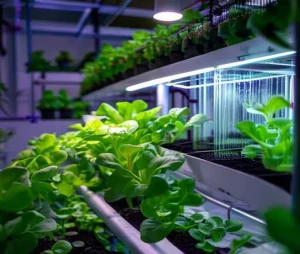
| Hydroponic (Active) | Pumps deliver nutrient solution directly to roots in a soilless medium. | Fast-growing herbs, leafy greens, small vegetables. | Monitor/refill nutrient solution weekly; system cleaning bi-monthly. |
| Smart Sensor (Soil-Based) | Sensors trigger pump to water soil from integrated reservoir. | A wide variety of potted plants, succulents, ornamental flowers. | Refill water reservoir as needed; battery checks. |
| Integrated Grow Lights | Automated LED lights provide optimal light spectrum and duration. | Plants requiring specific light cycles or low-light environments. | Rarely (LED lifespan often 50,000+ hours). |
Experience & Expert Opinion: Beyond the Basics of an electronic flowerpot
Many perceive an electronic flowerpot as a simple convenience for beginners, perhaps even ‘cheating’ at gardening. This perspective misses the profound capability these devices offer to experienced horticulturists. From my 15+ years in home and living, I’ve observed that advanced electronic flowerpots elevate precision agriculture for the home, enabling sophisticated experimentation.
For instance, consider the cultivation of delicate orchids or exotic carnivorous plants. These species demand incredibly precise environmental parameters—specific humidity ranges, nutrient balances, and light cycles—that are notoriously difficult to maintain manually. An electronic flowerpot, especially one with pH and EC (electrical conductivity) monitoring, transforms this challenge.
It allows for consistent, near-laboratory conditions, enabling even amateur growers to successfully cultivate species previously reserved for specialized greenhouses. This isn’t about making gardening easier; it’s about making advanced horticulture more accessible and repeatable, pushing the boundaries of what home gardeners can achieve. It’s a tool for mastery, not just a shortcut.
Choosing the Right electronic flowerpot for Your Needs
Selecting an appropriate system involves evaluating several factors: plant type, space availability, and desired level of automation. Consider the plant’s light requirements and nutrient preferences. Leafy greens thrive in hydroponic systems, while a desert succulent might only need a basic self-watering sensor pot.
Key considerations:
- Reservoir Capacity: Larger reservoirs mean less frequent refilling.
- Sensor Range: Does it cover moisture, light, temperature, pH, or EC?
- Lighting: Are integrated full-spectrum LEDs necessary for your chosen plants?
- Connectivity: Do you need app control and remote monitoring?
- Material & Design: Durability and aesthetic integration with your home environment.
- Power Source: Battery-operated for flexibility or AC-powered for continuous operation.
The commitment to quality construction is paramount. As outlined in consumer product guidelines from independent testing organizations, durable, non-toxic materials ensure both longevity and plant safety. Invest in a system built for sustained performance.
Ultimately, an electronic flowerpot isn’t just about automation; it’s about empowering smarter, more sustainable plant care. It provides the precision and consistency that traditional methods struggle to match, leading to healthier, more vibrant plants with less guesswork.