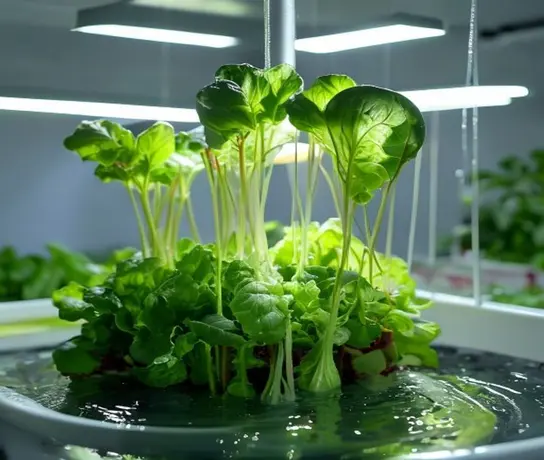
Hydroponic gardening is a method of growing plants without soil, using mineral nutrient solutions dissolved in water. This innovative technique allows plants to thrive in controlled environments, often leading to faster growth rates and more efficient resource use compared to traditional soil-based agriculture. It represents a significant advancement in how we approach cultivation, particularly in areas with limited space or water resources.
The Core Mechanics of Any Hydroponic System
At its heart, hydroponic cultivation provides plants with all necessary nutrients directly through water, bypassing the soil medium entirely. Plants absorb dissolved minerals from a nutrient-rich water solution, which is carefully formulated to meet their specific needs. This direct delivery system ensures optimal nutrient uptake, fostering robust growth.
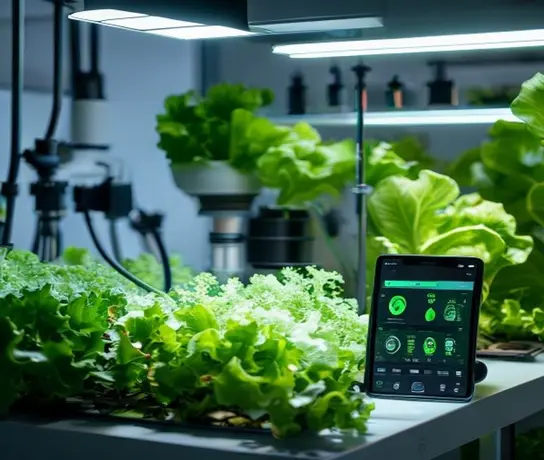
Success hinges on several critical environmental factors. Precise control over water temperature, pH levels, and nutrient concentration is paramount. Monitoring these parameters with tools like pH meters and EC (electrical conductivity) meters allows growers to fine-tune the plant’s environment for peak performance. Without this attention to detail, plants can suffer from nutrient deficiencies or toxicities, directly impacting yields.
Essential Components for a Thriving Soil-Free Setup
Every effective soil-free system relies on a few fundamental elements. First, a reservoir holds the nutrient solution, acting as the lifeblood of the operation. Second, a submersible pump circulates this solution, ensuring constant delivery to the plant roots.
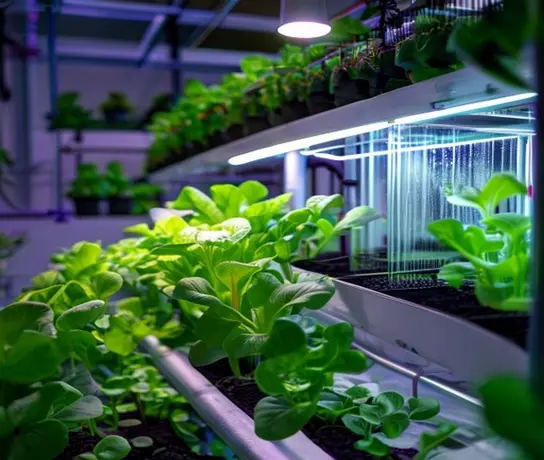
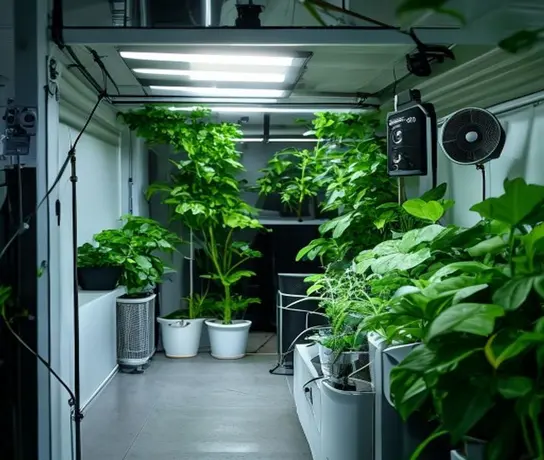
Next, inert growing media, such as rockwool, coco coir, clay pebbles, or perlite, provides structural support for the plants. These media do not contribute nutrients but anchor the roots. Finally, efficient lighting, often in the form of LED grow lights, provides the photosynthetic energy plants require, especially in indoor setups. An effective ventilation system is also critical to manage humidity and CO2 levels.
Popular Soil-Free System Types
The world of soil-free gardening offers diverse systems, each with unique advantages. Understanding these variations helps growers select the best fit for their scale and plant type.
Deep Water Culture (DWC) is one of the simplest systems, where plant roots are submerged directly into a nutrient solution. Nutrient Film Technique (NFT) involves a shallow stream of nutrient-rich water flowing over the roots, providing moisture and nutrients while leaving ample air exposure. Drip systems deliver nutrient solution directly to the base of each plant using small emitters, often recycling the runoff.
Here’s a comparison of common soil-free methods:
System Type
Description
Primary Advantage
Best Suited For
Deep Water Culture (DWC)
Roots submerged in aerated nutrient solution.
Simplicity, low cost.
Leafy greens, herbs.
Nutrient Film Technique (NFT)
Thin film of nutrient solution flows over roots.
Efficient nutrient delivery, oxygenation.
Lettuce, strawberries.
Drip System
Nutrient solution delivered directly to plant base.
Versatility, plant-specific feeding.
Larger plants, fruiting vegetables.
Aeroponics
Roots suspended in air, misted with nutrient solution.
Maximum oxygen exposure, rapid growth.
High-value crops, propagation.
Advantages of Soilless Cultivation
The benefits of adopting a hydroponic approach are substantial. One primary advantage is the remarkable efficiency in water usage. Studies, including data compiled by the Food and Agriculture Organization (FAO) of the United Nations, indicate that hydroponic systems can use up to 90% less water than traditional field farming, as water is recycled and conserved.
Furthermore, controlled environments often lead to accelerated plant growth and higher yields. Without the constraints of soil-borne diseases and pests, plants dedicate more energy to vegetative and fruiting development. This results in quicker harvest cycles and more abundant produce, a significant boon for home growers and commercial operations alike.
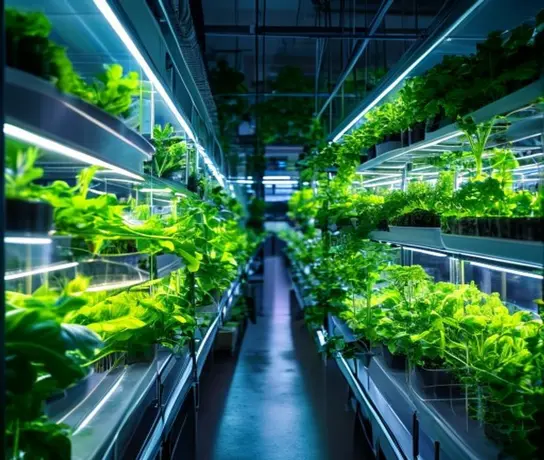
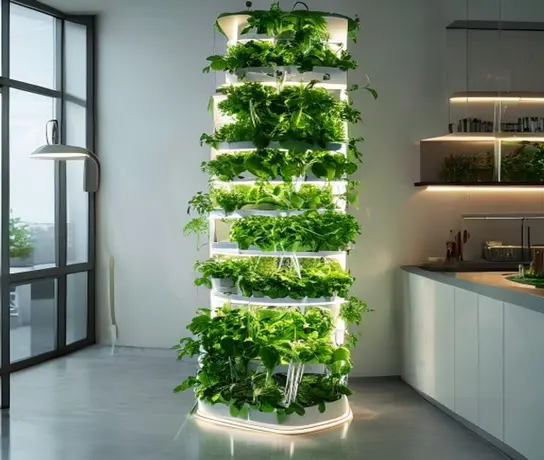
Space efficiency is another compelling factor. Vertical farms employing hydroponic techniques can produce large quantities of food in compact urban settings, making fresh produce accessible in unexpected locations. This dramatically reduces transportation costs and carbon footprint.
Expert Opinion: Dispelling the pH Myth in Hydroponic Systems
A common misconception among new growers is that a fixed, universal pH level works for all plants in a hydroponic setup. While a general range of 5.5 to 6.5 is often cited, experienced cultivators understand that optimal pH is plant-specific and can even fluctuate slightly throughout a plant’s growth cycle. For instance, tomatoes often prefer a slightly lower pH (around 5.5-6.0) than lettuce (6.0-6.5). Ignoring these nuances can lead to nutrient lockout, where nutrients are present in the solution but unavailable to the plant, severely hindering growth. Regularly testing and adjusting pH based on the specific crop’s needs, rather than adhering to a rigid, one-size-fits-all approach, is a hallmark of truly effective hydroponic management.
Getting Started with Soil-Free Gardening
Embarking on your hydroponic journey doesn’t require a massive investment. Start small with a simple DWC bucket system for herbs or leafy greens. This allows you to learn the basics of nutrient mixing, pH management, and environmental control without overwhelming complexity.
Key initial steps include:
Research Plant Needs: Understand the specific pH, EC, and lighting requirements for your chosen crop.
Gather Basic Equipment: A reservoir, air pump, air stone, net pots, growing medium, and a starter nutrient kit are essential.
Monitor Diligently: Consistent checking of pH and EC levels prevents common issues before they become problems.
Ensure Proper Lighting: Adequate light spectrum and intensity are crucial for photosynthesis and overall plant health.
Remember, patience and observation are your best tools. Every successful soil-free grower has learned through careful experimentation and adaptation.
Soil-free gardening offers an incredibly rewarding path for cultivating plants, from basic herbs to complex fruiting vegetables. Its efficiency, accelerated growth, and minimal resource use position it as a foundational practice for sustainable agriculture and home gardening. By mastering its core principles, anyone can unlock the potential of soilless cultivation and enjoy fresh, healthy produce. For nutrient schedules, follow the official General Hydroponics resources.
Start by measuring your space and daily light hours. Rank plants by difficulty, then match each one to a system on your shortlist. Ask growers for photos of real harvests using spaces like yours, not stock images. Check reviews from home gardeners with similar space, since greenhouse feedback can mislead. Finally, test one system with a few herbs before expanding to full capacity.
How much water does it save?
Recirculating setups reuse almost all irrigation water, cutting use by up to 90 percent versus field rows. Small reservoirs need topping up every few days. Cover tanks to slow evaporation and algae.
Which system suits beginners?
Deep-water culture gives beginners the easiest start in hydroponic gardening. One air pump oxygenates a single bucket well. Add a net pot, clay pebbles, and mild nutrients. Scale up only after a full clean harvest.
What can go wrong fastest?
pH swings and warm reservoirs cause most failures. Test pH daily and keep water below 72 degrees. Rinse roots at each change and sterilize gear between cycles. Catch slime early before it spreads.