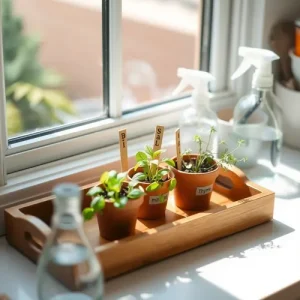
Hydroponic Herb Garden: 7 Ways to Grow Fresh Herbs
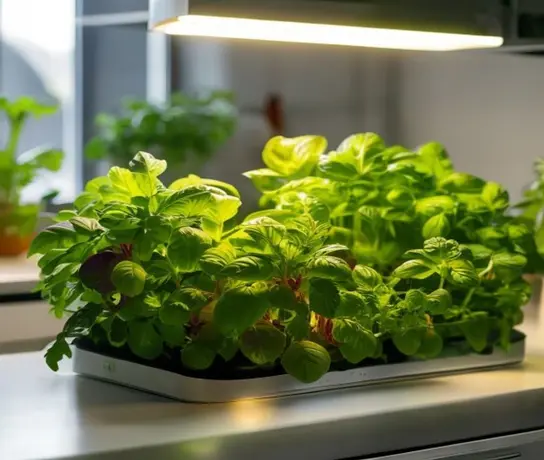
hydroponic herb garden
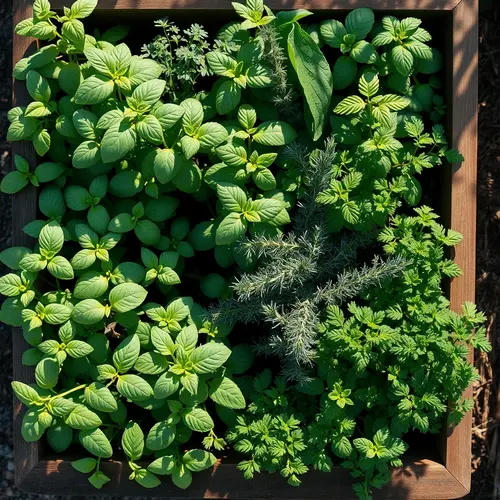
The Core Mechanics of a Hydroponic Herb Garden
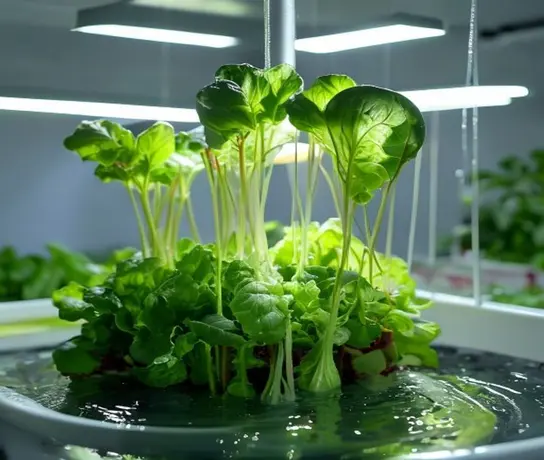
Hydroponics is a method of growing plants using mineral nutrient solutions dissolved in water, without soil. For a hydroponic herb garden, this means your plants receive precisely what they need, directly to their roots. This precision minimizes waste and accelerates growth cycles significantly. The system relies on several key components working in harmony. These include a water reservoir, a pump for circulation (in some systems), a growing medium to support the plants, and a carefully balanced nutrient solution. Adequate lighting and oxygenation for the roots are equally critical for robust plant health.Essential Components for Your Hydroponic Herb Garden Setup
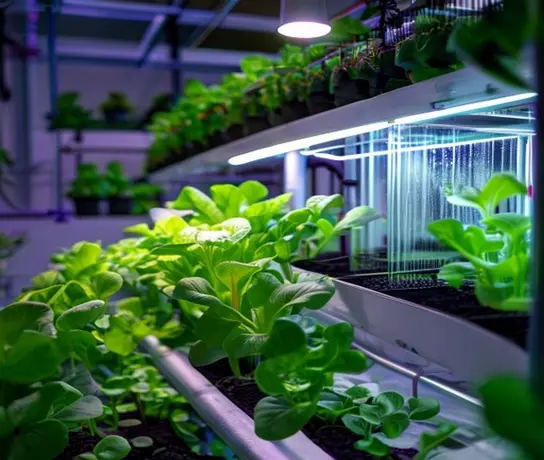
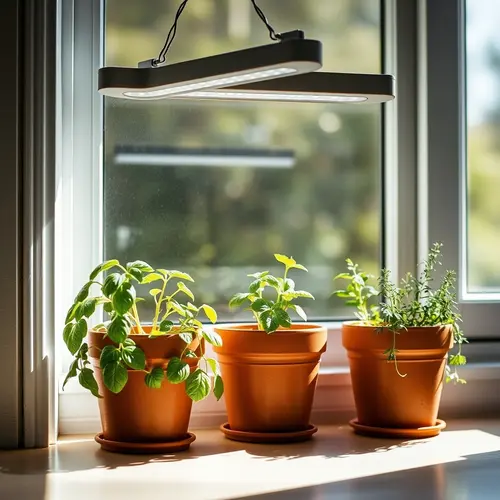
Building an effective hydroponic system requires selecting the right equipment. The foundation typically involves a sturdy container for your nutrient solution, a light source, and appropriate growing media. Each component plays a vital role in the health and productivity of your herbs.- Grow Lights: Essential for indoor setups, mimicking natural sunlight. LED grow lights are popular for their energy efficiency and specific light spectrums tailored for plant growth.
- Growing Mediums: These provide structural support. Common choices include rockwool, coco coir, perlite, and clay pebbles. They do not supply nutrients themselves, focusing solely on anchoring the plant.
- Nutrient Solutions: A balanced mix of macro and micronutrients dissolved in water. These are specifically formulated for hydroponic use and are crucial for plant development.
- pH Testing Kit: Maintaining the correct pH level (typically between 5.5 and 6.5 for most herbs) is vital for nutrient absorption.
- Water Quality: Starting with filtered or reverse osmosis water minimizes variables, though some tap water can be conditioned.
Comparing Popular Hydroponic Growing Media
Different growing media offer unique advantages for your hydroponic herb garden. Selecting the right one can influence root health and system maintenance. Consider the system type and specific herb requirements when making your choice.| Medium | Key Advantages | Considerations |
|---|---|---|
| Rockwool | Excellent water retention, good aeration. Inert and sterile. | Can have high pH initially; requires pre-soaking and pH adjustment. |
| Coco Coir | Sustainable, good water and air retention. pH neutral. | Can retain salts; requires rinsing and buffering. |
| Clay Pebbles (Hydroton) | Reusable, excellent aeration, stable pH. | Poor water retention; typically used in drip or ebb & flow systems. |
| Perlite/Vermiculite | Lightweight, great aeration (perlite), good water retention (vermiculite). | Can be dusty; sometimes used as a mix or top layer. |
Cultivating Success: Starting Your Indoor Garden
The initial setup is critical for long-term success. Begin by sanitizing all equipment to prevent pathogens. Prepare your chosen growing medium according to manufacturer instructions, especially for rockwool, which often needs pH balancing. Once your seeds germinate in starter cubes, they can be transferred to your hydroponic system. Ensure the roots have access to the nutrient solution without completely submerging the plant stem. Position your grow lights appropriately, typically 6-12 inches above the plant canopy, for 14-16 hours daily. Regularly monitor the nutrient reservoir’s water level and replenish as needed. A full nutrient change every 7-14 days helps prevent nutrient imbalances and keeps your system fresh. Consistency in these steps ensures a thriving hydroponic herb garden.Expert Insights: Beyond the Basics of Your Herb Setup
A common misconception is that hydroponics sacrifices flavor for speed. While rapid growth is a hallmark, a well-managed hydroponic herb garden can produce herbs with intense, superior flavors and aromas. The key lies in precise nutrient management, not just providing ‘enough’ but providing the ‘right balance’. For instance, slightly reducing nitrogen and increasing phosphorus and potassium during the flowering or mature growth stages can enhance essential oil production in herbs like basil and mint, intensifying their taste profile. Furthermore, maintaining stable environmental conditions is often overlooked. Fluctuations in temperature or humidity can stress plants, leading to diminished flavor and nutrient density. As reported by academic horticultural studies, consistent environmental parameters contribute significantly to secondary metabolite synthesis, which includes the aromatic compounds we value in herbs. Implementing a small fan for air circulation not only strengthens stems but also aids in transpiration and prevents fungal issues, contributing to overall plant vigor and quality. Troubleshooting yellowing leaves? Often, it points to a nutrient deficiency or pH imbalance. Instead of immediately adding more nutrients, first check and adjust the pH of your solution. If pH is stable, consider if it’s an immobile nutrient deficiency, affecting new growth (like iron), or a mobile one, affecting older leaves (like nitrogen). This systematic approach, rather than guesswork, saves time and ensures plant health.Maintaining Optimal Growth in Your Indoor System
Consistency in maintenance is paramount for a productive hydroponic herb garden. Regular monitoring of pH and EC (Electrical Conductivity) or TDS (Total Dissolved Solids) levels ensures your herbs receive the correct nutrient strength. These readings indicate how much nutrient is dissolved in your water.Monitoring pH and EC for Your Hydroponic Herb Garden
Checking pH daily or every other day is a critical practice. If the pH drifts too far from the ideal range, plants struggle to absorb nutrients, even if they are present. EC levels, measured weekly, indicate if plants are consuming nutrients at an expected rate. A rising EC suggests plants are drinking more water than nutrients, while a falling EC indicates nutrient uptake is outpacing water consumption. Adjust accordingly with fresh water or a top-up of diluted nutrients. Regular pruning encourages bushier growth and higher yields. Harvest mature leaves from the top, promoting new growth from lower nodes. This practice prevents the plant from bolting prematurely and extends its productive lifespan. Keep an eye out for any signs of pests or disease; early detection and natural remedies are key to preserving your entire crop. Cultivating a hydroponic herb garden offers a rewarding experience, providing an endless supply of fresh, flavorful herbs. With a foundational understanding of hydroponic principles, diligent maintenance, and a keen eye for your plants’ needs, you can enjoy the bounty of your indoor efforts for years to come. The initial investment in learning and equipment recommended by the National Gardening Association pays dividends in convenience and culinary delight.Hydroponic herb garden kits reward beginners who match light, nutrients, and airflow to each herb. Related reading: see this related guide and compare more options here.
Which herbs grow best indoors?
Basil, mint, chives, parsley, and thyme adapt well to containers and steady LED light. Start with nursery seedlings for faster harvests. Snip outer leaves often to trigger bushier regrowth. Avoid woody rosemary indoors unless you can offer strong sun.
How much light do indoor herbs need?
Most hydroponic herb garden plants need 12 to 16 hours of full-spectrum LED light daily. Keep fixtures 6 to 12 inches above leaves and raise them as stems stretch. A timer keeps cycles consistent. Pale leggy growth means add intensity.
How often should you change the nutrient water?
Refresh the reservoir every 7 to 14 days and top up with plain water between changes. Rinse roots gently during swaps and check pH after mixing. Cloudy water or odor signals a full cleanout. Log readings to spot drift early.