7 Crucial Tips to Mastering Your smart hydroponics system
smart hydroponics system
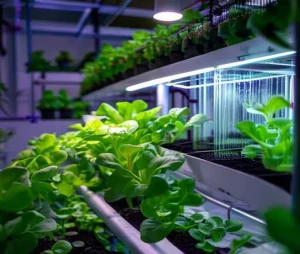
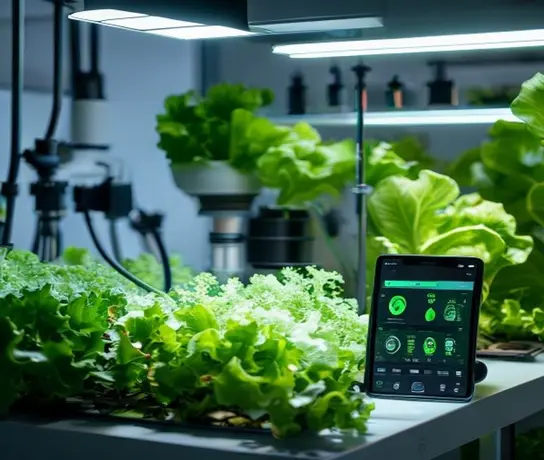
A smart hydroponics system represents the evolution of indoor gardening, integrating advanced technology to automate and optimize plant growth without soil. These sophisticated setups leverage sensors, automation, and data analytics to create an ideal growing environment, making efficient cultivation accessible to a broader audience, from hobbyists to commercial growers.
By precisely controlling variables like nutrient delivery, pH levels, and light cycles, smart hydroponics aims to maximize yield and minimize resource consumption.
Defining the Intelligence: What Makes Hydroponics “Smart”?
The “smart” in a smart hydroponics system refers to its ability to monitor, analyze, and automatically adjust environmental parameters. Unlike traditional hydroponics which require manual checks and adjustments, smart systems employ integrated technologies to maintain optimal conditions autonomously.
Automation and Control: The Core of a Smart Hydroponics System
Automation within a smart hydroponics system extends beyond simple timers. It encompasses programmable logic controllers (PLCs) or microcontrollers that manage pumps, fans, and grow lights based on pre-set parameters or real-time data.
This allows for precise scheduling of nutrient cycles, fan operation for air circulation, and light intensity adjustment throughout a plant’s growth stages. The goal is to mimic and perfect natural growing conditions.
Sensor Technology: Your Garden’s Data Hub
Central to any effective smart system are its sensors. These devices constantly collect data on critical environmental factors. Common sensors include those for pH, electrical conductivity (EC) to measure nutrient concentration, water temperature, air temperature, humidity, and even dissolved oxygen levels. This continuous feedback loop is what enables the system to make informed, automated adjustments.
| Sensor Type | Primary Function | Impact on Plant Health |
|---|---|---|
| pH Sensor | Measures acidity/alkalinity of nutrient solution. | Ensures nutrient availability for uptake. |
| EC Sensor | Measures nutrient concentration in solution. | Prevents nutrient burn or deficiency. |
| Water Temperature Sensor | Monitors root zone temperature. | Affects oxygen solubility and root metabolism. |
| Air Temperature/Humidity Sensor | Measures ambient conditions. | Influences transpiration and disease prevention. |
Benefits of a Smart Hydroponics System
Embracing a smart hydroponics setup offers numerous advantages over conventional methods. These systems elevate efficiency and predictability in plant cultivation.
Precision Growth and Resource Efficiency
A significant benefit is the precision with which a smart hydroponics system delivers nutrients and light. Plants receive exactly what they need, when they need it, leading to faster growth rates and often higher yields. According to studies published in the Journal of Agricultural and Food Chemistry, controlled environment agriculture (CEA) methods, including advanced hydroponics, can reduce water consumption by up to 90% compared to traditional field farming. This efficiency minimizes waste and maximizes resource utilization.
Reduced Labor and Enhanced Convenience
Manual monitoring and adjustments in hydroponics are time-consuming. Smart systems drastically cut down on daily chores. Remote monitoring via mobile applications allows growers to check and even tweak parameters from anywhere. This level of convenience makes hydroponics viable for individuals with busy schedules or for larger commercial operations aiming for scale and reduced overhead.
Key Components of a Robust Smart Hydroponics Setup
A complete smart system typically integrates several core elements. These include a reservoir for nutrient solution, a pump for circulation, grow lights optimized for plant spectrums, and a growing medium to support roots.
The “smart” aspect is layered on top with a central controller, a suite of sensors, and connectivity options like Wi-Fi or Bluetooth for remote access. Some systems even incorporate automated dosing pumps for pH up/down solutions and nutrient concentrates.
- Nutrient Reservoir: Holds the water and dissolved plant nutrients.
- Submersible Pump: Circulates nutrient solution to the plants.
- Grow Lights: Provides essential light spectrums for photosynthesis.
- Growing Medium: Offers physical support to plants (e.g., rockwool, coco coir).
- Smart Controller: The central brain for monitoring and automation.
- Sensor Array: Collects real-time data on environment and solution.
- Connectivity Module: Enables remote monitoring and control via apps.
Choosing Your Ideal Smart Hydroponics System
Selecting the right system depends on individual needs, space, and budget. Consider factors like the types of plants you wish to grow, the desired level of automation, and scalability. Entry-level systems offer basic automation, while advanced setups provide granular control and sophisticated data logging.
Ensure the system’s interface is intuitive and that replacement parts or expansion modules are readily available. Researching reputable brands and reading independent reviews, like those found in publications such as Home & Garden Monthly, can provide valuable insights.
Expert Insight: The Underestimated Role of Data Interpretation
Many perceive a smart hydroponics system as a “set it and forget it” solution. While automation certainly simplifies operations, the true mastery lies in understanding the data it collects. A common misconception is that simply having sensors and automated adjustments is enough. In reality, the most successful growers don’t just let the system run; they actively interpret the historical data trends.
For instance, consistent subtle pH drifts or unexpected EC fluctuations, even if corrected by the system, could indicate underlying issues like nutrient depletion patterns, root health problems, or sensor calibration needs. By analyzing these trends, rather than just reacting to alarms, growers can preemptively adjust nutrient formulations, optimize light cycles, or fine-tune environmental controls for sustained peak performance. This proactive data interpretation transforms an automated garden into a truly optimized one.
Mastering a smart hydroponics system transcends mere setup; it involves a continuous learning loop of observation, data analysis, and informed intervention. These systems offer an unparalleled opportunity for precision agriculture at any scale, promising bountiful yields and significant resource savings.