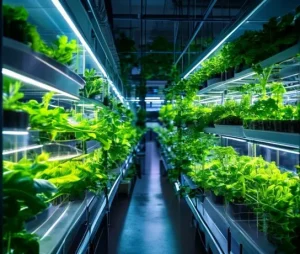
Ultimate Guide to Complete Hydroponic Systems for Thriving Gardens
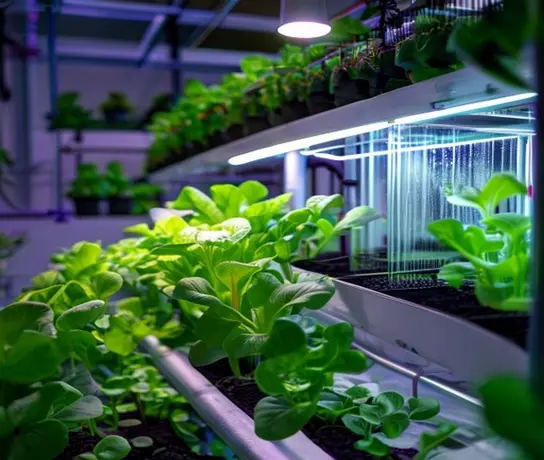
complete hydroponic systems
Embarking on the journey of soilless cultivation often begins with the simplicity and efficiency offered by complete hydroponic systems. These all-inclusive packages provide everything necessary to start growing plants without soil, streamlining the setup process for both novice and experienced cultivators. For anyone looking to achieve consistent plant growth and higher yields indoors, understanding the components and benefits of these integrated solutions is fundamental.
What Defines a Complete Hydroponic System?
A complete hydroponic system is an integrated package that contains all the primary components required for soilless plant cultivation. Instead of buying individual parts like pumps, reservoirs, grow lights, and nutrient solutions separately, these systems provide a cohesive, ready-to-assemble solution. This holistic approach removes much of the guesswork, particularly for beginners.
Key Components of an All-Inclusive Setup
While specific kits vary, most reputable complete hydroponic systems include several core elements. These work in concert to deliver water, nutrients, and light efficiently to plants, fostering robust growth without the complexities of soil-based gardening.
- Grow Tray/Chambers: The structure where plants are housed, often with net pots.
- Reservoir: Holds the nutrient-rich water solution.
- Submersible Pump: Circulates the nutrient solution from the reservoir to the plants.
- Air Pump and Air Stone: Oxygenates the nutrient solution, crucial for healthy root development.
- Grow Lights: Specialized lighting (LED, HID, fluorescent) to mimic sunlight for indoor growing.
- Nutrient Solution: A balanced blend of essential macro and micronutrients.
- Growing Medium: Inert substrates like rockwool, coco coir, or clay pebbles to support plants.
- Timers: Automate light cycles and pump operations.
- Monitoring Tools: pH testing kits or meters, and often an Electrical Conductivity (EC) meter to measure nutrient strength.
Popular Types of Complete Hydroponic Systems
The market offers various types of complete hydroponic systems, each suited for different plants and growing styles. Understanding these distinctions is key to selecting the ideal setup for your needs.
Deep Water Culture (DWC) Systems
DWC systems are renowned for their simplicity. Plant roots are suspended directly in a reservoir of oxygenated nutrient solution. This method promotes rapid growth and is popular for leafy greens and some fruiting plants.
Nutrient Film Technique (NFT) Systems
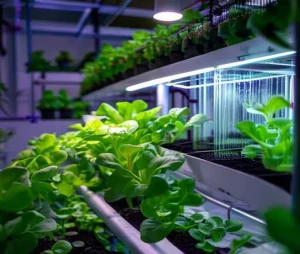
NFT systems involve a thin film of nutrient solution flowing continuously over the roots of plants, which are typically housed in channels. This method conserves water and nutrients but requires consistent pump operation.
Ebb and Flow (Flood and Drain) Systems
Ebb and flow systems periodically flood the grow tray with nutrient solution, then drain it back into the reservoir. This cyclical feeding ensures roots receive both nutrients and oxygen, mimicking natural wet-dry cycles.
Drip Systems
Drip systems deliver nutrient solution directly to the base of each plant through small drippers. Excess solution drains back into the reservoir. These are highly versatile and efficient, suitable for larger plants or a diverse range of crops.
The Undeniable Benefits of Opting for Complete Hydroponic Systems
Choosing an integrated system over piecemeal assembly offers distinct advantages. These packages are designed for efficiency and ease of use, leading to superior growing outcomes.
Firstly, they offer significant space efficiency. Hydroponic setups can grow more plants in smaller areas compared to traditional soil gardening, making them perfect for urban environments or limited indoor spaces. According to a whitepaper by the Horticultural Research Institute, hydroponic systems can yield up to 10 times more per square foot than conventional farming methods.
Secondly, resource conservation is a major benefit. Hydroponic systems use significantly less water because the nutrient solution is recirculated. Reports from the USDA National Institute of Food and Agriculture (NIFA) indicate that hydroponics can reduce water usage by 70-90% compared to traditional agriculture.
Finally, accelerated growth rates and higher yields are commonly observed. Plants in hydroponic systems have constant access to optimized nutrients and oxygen, leading to faster maturity and more abundant harvests.
Choosing the Right System: What to Look For
Selecting the appropriate complete hydroponic systems involves considering your space, plant choices, and commitment to maintenance.
System Size and Scalability
Assess the physical dimensions of the system against your available space. Consider if you might want to expand your operation later; some systems are modular.
Plant Compatibility and Yield Potential
Match the system type to the plants you wish to grow. DWC is great for fast-growing leafy greens, while drip systems better support larger, fruit-bearing plants like tomatoes or peppers. Research the system’s advertised yield capacity.
Maintenance and Automation Features
Evaluate the ease of cleaning and nutrient changes. Systems with integrated timers and robust pumps often require less manual intervention, though regular checks are always necessary.
| System Type | Best For | Setup Complexity | Maintenance Level |
|---|---|---|---|
| Deep Water Culture (DWC) | Leafy Greens, Herbs | Low | Medium (nutrient changes) |
| Nutrient Film Technique (NFT) | Leafy Greens, Strawberries | Medium | Medium (pH monitoring) |
| Ebb and Flow | Variety of Plants, Root Vegetables | Medium | Medium (timer adjustments) |
| Drip System | Large Fruiting Plants | High | Low (automated feeding) |
Expert Insight: Debunking the “Set It and Forget It” Myth
A common misconception is that complete hydroponic systems are entirely hands-off. While they automate many tasks, they are not “set it and forget it” solutions. Active monitoring and learning remain essential for success.
For example, consider an experienced grower encountering a sudden drop in pH. Without regular checks, this issue could quickly lead to nutrient lockout and plant distress. A knowledgeable grower understands that even with an automated system, daily visual inspections and weekly water quality tests are critical. It’s about being an attentive gardener, not just an assembler.
Setting Up Your First Complete Hydroponic System
Once you’ve unboxed your system, the setup is straightforward. First, assemble the grow tray and reservoir according to instructions. Next, fill the reservoir with water and add the recommended hydroponic nutrients, adjusting the pH to the appropriate range for your plants (typically 5.5-6.5).
Install the submersible pump and air pump, ensuring the air stone is at the bottom of the reservoir for maximum oxygenation. Place your chosen growing medium and seedlings into net pots, then position them in the grow tray. Finally, set up your grow lights and timers according to your plant’s needs, often 12-18 hours of light per day.
Maintaining Optimal Performance: Beyond Initial Setup
Long-term success with hydroponics hinges on consistent care. Regularly monitor your pH and EC levels, adjusting as needed. Change the nutrient solution every 1-2 weeks to prevent nutrient imbalances and pathogen buildup.
Clean the reservoir and system components thoroughly during solution changes. Prune your plants to encourage healthy growth and airflow. With diligent attention, your hydroponic garden will thrive for years to come.
Investing in complete hydroponic systems is a strategic move for anyone serious about soilless cultivation. They offer an accessible entry point to a rewarding gardening experience, providing all the tools for efficient, high-yield plant growth. With careful selection and consistent maintenance, these systems unlock the full potential of indoor gardening, delivering fresh produce year-round.