Ultimate Guide to Herbs Garden Ideas
herbs garden ideas
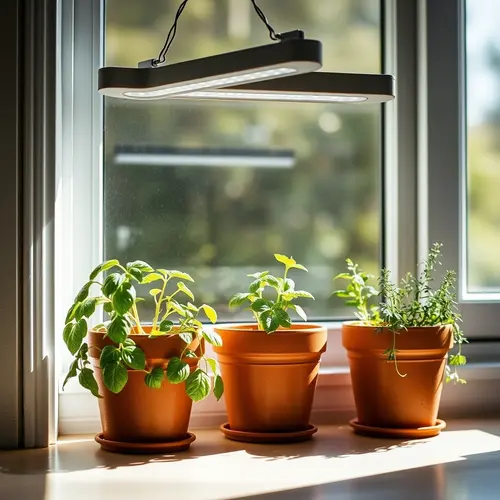
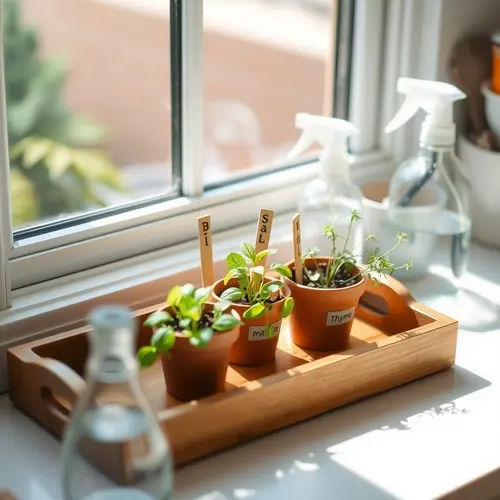
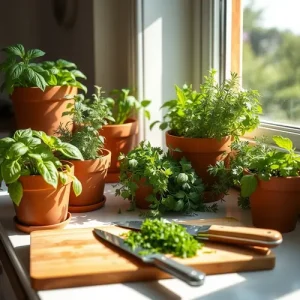
Looking for practical herbs garden ideas that fit any space? The simplest approach is to start with a sunny windowsill, a few containers, and choose hardy herbs like basil, mint, and rosemary that thrive with minimal care.
Top Herbs Garden Ideas for Small Spaces
Begin by measuring the available light. Most culinary herbs need at least six hours of direct sun each day, according to the USDA. If your space is shaded, opt for low‑light tolerant varieties such as parsley, chives, or mint.
Assess your microclimate by noting wind exposure and reflected heat from nearby walls. A sheltered corner can protect delicate basil from scorching, while a breezy spot helps prevent fungal issues on mint. Adjust container placement as seasons change.
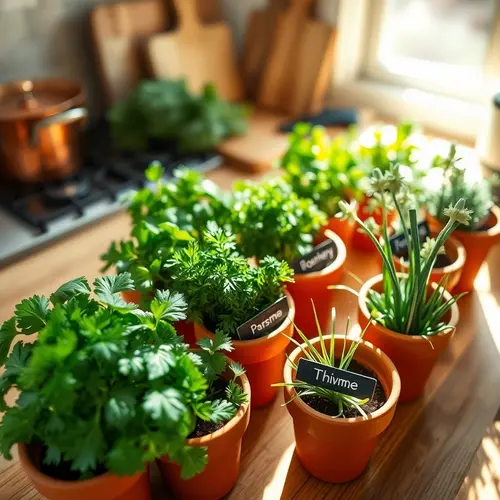
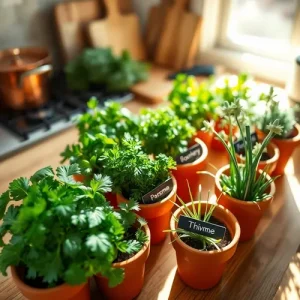
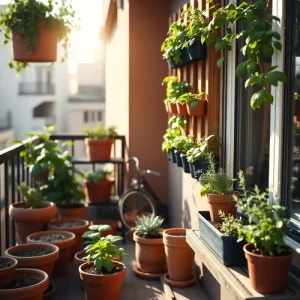
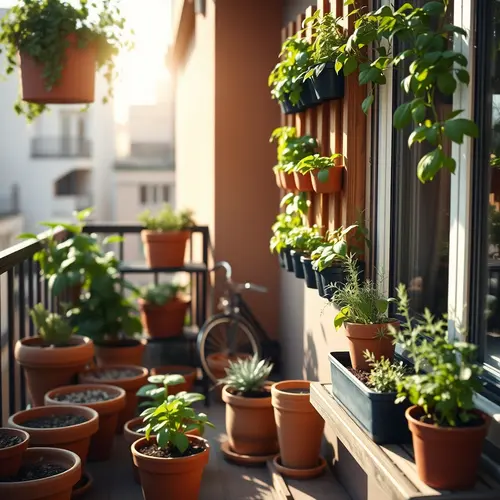
When exploring herbs garden ideas, container choice matters. Terra cotta pots breathe well, preventing soggy roots, while lightweight plastic works for balconies where weight is a concern. Ensure each pot is at least six inches deep to accommodate root growth.
Consider pot glazing and weight. Unglazed terracotta offers excellent airflow but can dry quickly in hot climates. Glazed ceramic retains moisture better, suited for herbs that prefer steady moisture like chives. Always verify drainage holes are clear before planting.
The right medium supports healthy growth. A blend of two parts potting soil, one part perlite, and one part compost provides drainage and nutrients. Keep the soil pH between 6.0 and 7.0 for most herbs, a range confirmed by the University of California Extension. When considering herbs garden ideas, this mix works for both containers and raised beds.
Herbs Garden Ideas Soil
Test your soil mix with a simple home kit before filling containers. Adjust pH with lime to raise it or sulfur to lower it, aiming for the target range. Re‑test every few months as organic matter decomposes and shifts pH.
- Containers with drainage holes
- Quality potting mix
- Organic compost or worm castings
- Balanced liquid fertilizer
- Pruning shears
How to Build a Vertical herbs garden ideas System
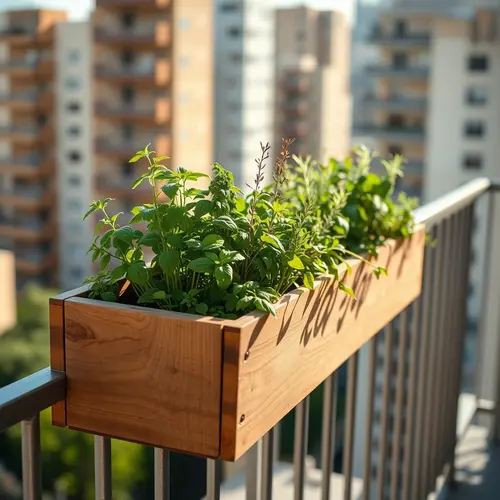
Vertical installations save floor space and create a living wall. Use a sturdy trellis or pocket planter attached to a sunny wall. Plant trailing herbs like thyme and oregano at the top, letting them cascade downward.
Choose a drip‑irrigation line or self‑watering pots to maintain even moisture in vertical setups. Pressure‑compensating emitters prevent dry spots at the top and soggy areas at the bottom. Check flow rates weekly to ensure consistent delivery.
Watering is where many herbs garden ideas fail. Allow the top inch of soil to dry before watering again; overwatering invites root rot. Feed with a half‑strength liquid fertilizer every four weeks during the growing season.
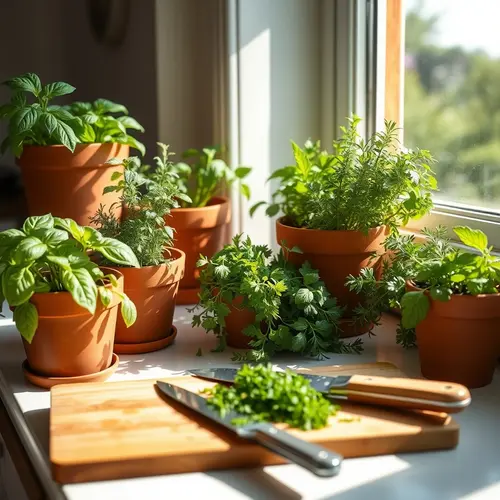
Regular harvesting encourages bushier growth. Snip leaves just above a leaf node, and never remove more than one‑third of the plant at once. Prune flowering stems on basil to maintain leaf flavor.
Preserve excess harvest by freezing chopped herbs in ice‑cube trays with water or oil. Drying works well for rosemary, thyme, and oregano; hang bundles in a dark, airy spot for one to two weeks. Label containers with date and herb name for easy rotation.
| Herb | Sunlight | Water Needs | Best Use |
|---|---|---|---|
| Basil | Full sun (6‑8 hrs) | Moderate | Pesto, salads |
| Mint | Partial shade | High | Teas, desserts |
| Rosemary | Full sun | Low | Roasts, breads |
| Parsley | Partial shade | Moderate | Garnish, sauces |
Companion planting can boost growth and deter pests. Plant basil near tomatoes to improve flavor and repel whiteflies. Keep mint in its own container to prevent it from overtaking neighboring herbs. Pair rosemary with sage to attract beneficial pollinators.
Expert Herbs Garden Ideas
A common myth claims that herbs need fertile, rich soil to thrive. In reality, overly fertile soil can dilute essential oils, reducing aroma and flavor. A case study from a community garden in Austin showed that plots with modest nutrient levels produced basil with 20% higher oil concentration than those amended with heavy compost.
Seasonal care keeps your herb garden productive year‑round. In summer, provide afternoon shade for cilantro to prevent bolting. In winter, move pots indoors or use a cold frame to protect perennial herbs like thyme. Reduce feeding during dormancy to avoid soft growth.
By applying these herbs garden ideas, you create a resilient, fragrant garden that supplies fresh flavors year‑round. Start small, observe plant responses, and adjust care as needed. The reward is a steady harvest that elevates every meal.