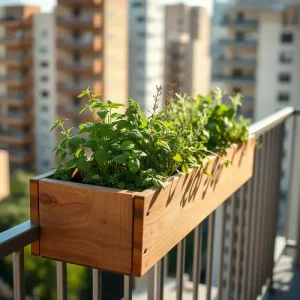
Grow Indoor – 7 Proven Ways to Grow Faster
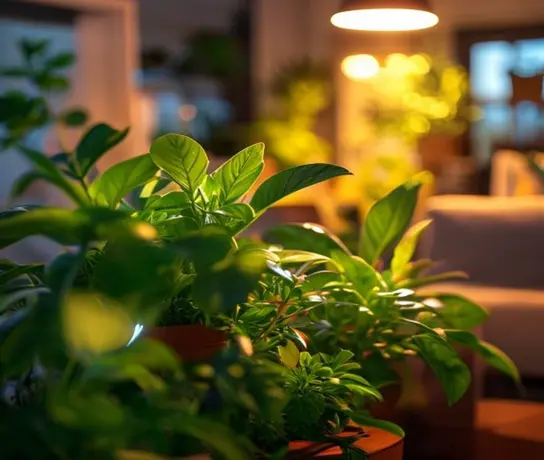
grow indoor
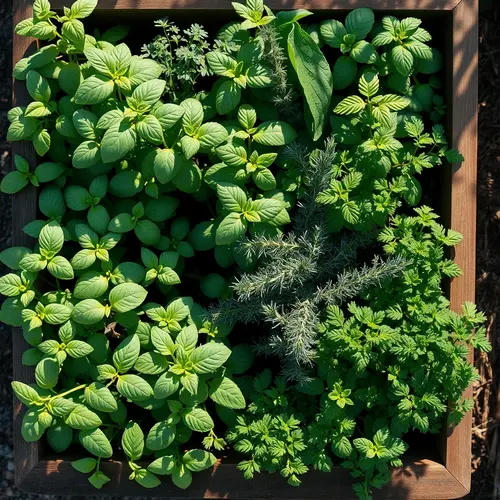
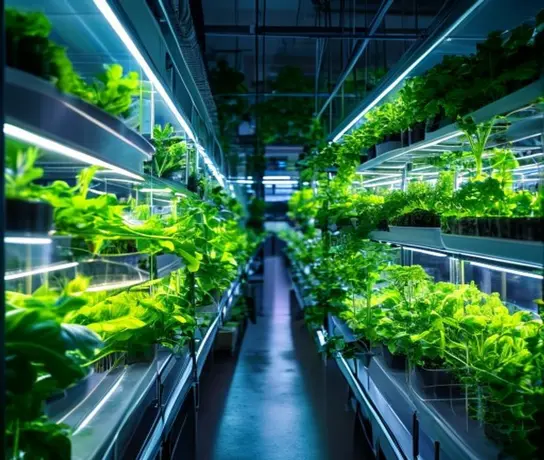
Venturing to grow indoor plants offers a rewarding experience, transforming living spaces into vibrant, productive havens. This comprehensive guide details the essential techniques and nuanced considerations required to cultivate healthy, thriving plants within your home, no matter the season or external conditions. Success hinges on understanding foundational horticultural principles and applying them diligently indoors.
Establishing the Ideal Environment to Grow Indoor Plants
Creating the perfect microclimate is paramount for any successful indoor garden. Plants require specific conditions to flourish, often differing significantly from outdoor environments. Managing these variables ensures robust growth and abundant yields.Optimal Lighting for Healthy Growth When You Grow Indoor
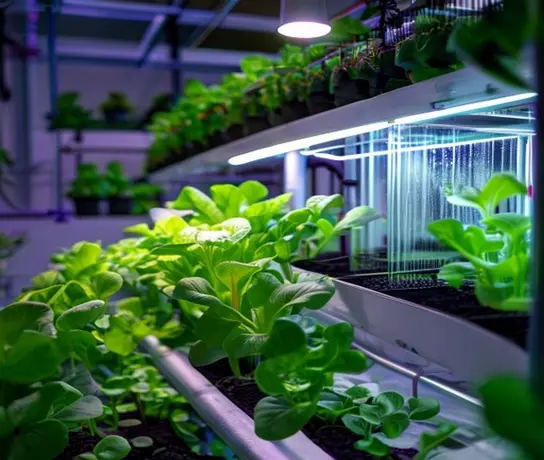
Light is the most critical factor at your Grow Indoor Garden. Natural light from windows is rarely sufficient for most plants, especially during shorter days or for fruiting varieties. Supplemental artificial lighting becomes essential. LED grow lights are highly efficient, offering full-spectrum options that mimic natural sunlight and can be tailored to different growth stages, from vegetative to flowering. Fluorescent lights are also viable for herbs and leafy greens, while High-Intensity Discharge (HID) lamps, though powerful, generate significant heat and consume more energy, making them less common for small-scale home setups. Horticultural research consistently highlights the importance of light duration and intensity. Most indoor plants thrive with 12-16 hours of light daily, followed by a dark period for metabolic processes. Employing a timer is a simple yet effective strategy to maintain consistency.Grow Indoor Garden – Watering and Nutrient Management
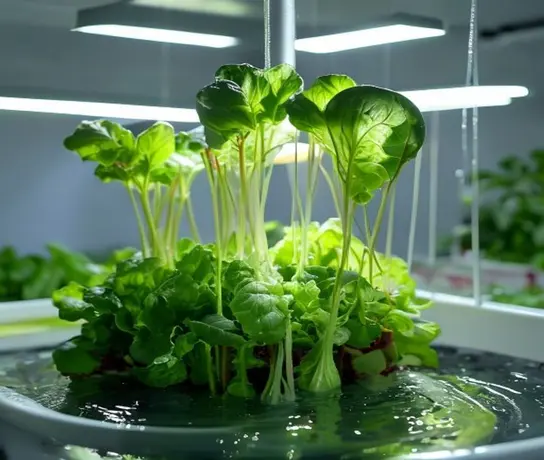
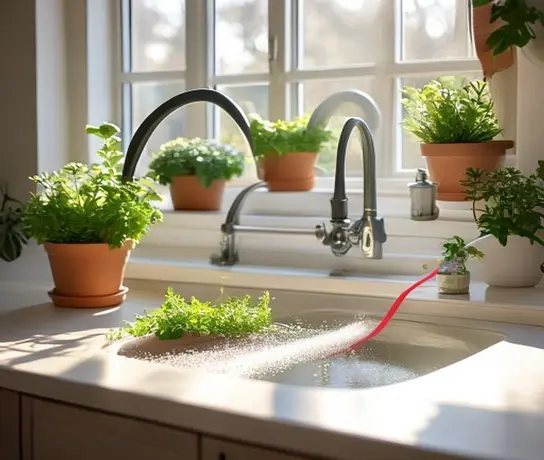
Proper watering prevents both dehydration and root rot. The frequency depends on plant type, pot size, growing medium, and ambient humidity. A good rule of thumb is to water when the top inch or two of the growing medium feels dry to the touch. Ensure pots have drainage holes to prevent water logging. Indoor plants deplete nutrients in their growing medium faster than outdoor plants. A balanced liquid fertilizer, specifically formulated for indoor use, should be applied according to package directions, typically every 2-4 weeks during active growth. Over-fertilization can harm roots, so caution is key.Temperature, Humidity, and Air Circulation for Grow Indoor Garden
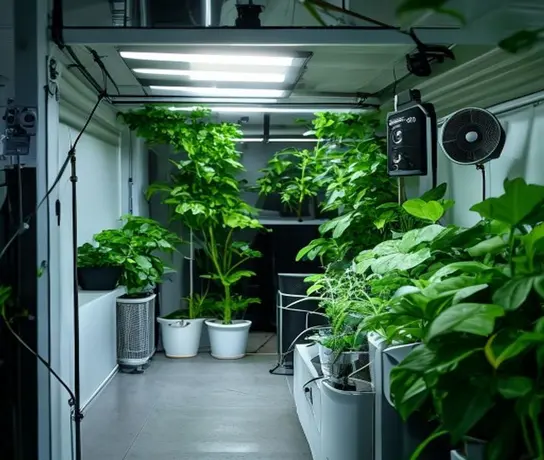
Maintain a consistent temperature range, generally between 65-75°F (18-24°C), avoiding sudden fluctuations. Humidity levels between 40-60% are ideal for most plants; humidifiers or pebble trays can help achieve this. Good air circulation, often facilitated by a small oscillating fan, strengthens plant stems, helps regulate temperature, and deters fungal diseases and pests.Selecting the Right Plants to Grow Indoor
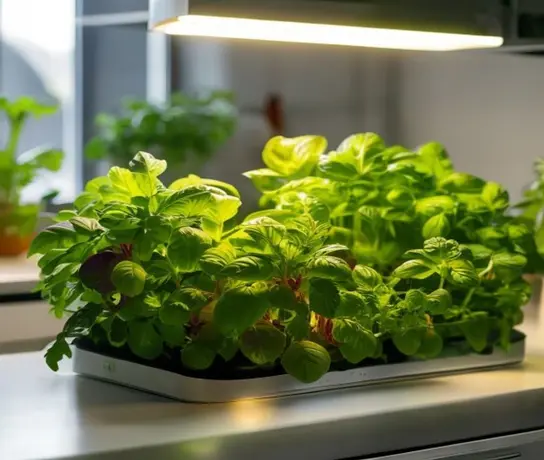
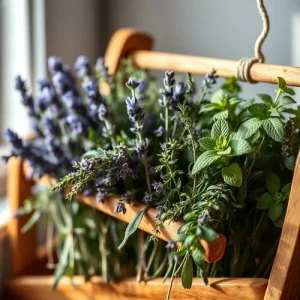
Not all plants are equally suited for indoor cultivation. Beginners should opt for species known for their adaptability and tolerance to varied indoor conditions. Herbs like basil, mint, and cilantro are excellent choices, as are leafy greens such as lettuce and spinach. Ornamental favorites include ZZ plants, snake plants, and pothos, renowned for their resilience and air-purifying qualities.This approach Garden: Debunking the “Sunny Window Suffices” Myth
A prevalent misconception in home gardening is that a “sunny window” alone provides adequate light for robust plant growth, especially for edibles or flowering plants. While some low-light ornamentals may survive, most plants, particularly those we aim to harvest, require significantly more light intensity (measured in lux or foot-candles) than even the brightest south-facing window can consistently offer. A window’s light diminishes exponentially with distance, and glass filters out crucial spectrums. As reported by leading agricultural extension services, even direct sunlight through a window typically delivers only a fraction of the intensity plants experience outdoors. For true vitality and productivity when you grow indoor, supplemental, full-spectrum grow lights are not just an upgrade; they are a necessity for optimal photosynthetic activity.Maintaining Your Thriving Indoor Garden
Consistent care ensures long-term success. Regular inspection for pests and diseases allows for early intervention, often with organic solutions like neem oil or insecticidal soap. Pruning encourages bushier growth and removes spent foliage, redirecting plant energy to new development. Repotting becomes necessary as plants outgrow their containers, typically every 1-2 years, providing fresh nutrients and space for root expansion.| Grow Light Type | Pros | Cons | Best Use Case |
|---|---|---|---|
| LED (Light-Emitting Diode) | Energy-efficient, low heat, long lifespan, tunable spectrums. | Higher initial cost, intensity can vary. | All plant types, small to large setups. |
| Fluorescent (T5/T8) | Affordable, low heat, good for seedlings/vegetative. | Lower intensity, shorter lifespan than LED, less efficient for flowering. | Seed starting, herbs, leafy greens. |
| HID (High-Intensity Discharge) | Very high intensity, excellent for flowering/fruiting. | High heat output, energy-intensive, shorter lifespan than LED. | Large-scale growing, high-light demanding plants. |
Steps to Successfully This approach
Embarking on your indoor gardening journey is straightforward with a structured approach. Follow these steps for reliable results:- Assess Your Space: Determine available light, temperature consistency, and ventilation. This dictates suitable plant choices and equipment needs.
- Select Appropriate Plants: Choose varieties known to thrive indoors, matching them to your environmental conditions and experience level.
- Gather Essential Equipment: Acquire quality potting mix, suitable containers with drainage, a watering can, and crucially, appropriate grow lights if natural light is insufficient.
- Pot and Plant: Use sterile potting mix and ensure proper drainage. Plant seeds or seedlings carefully, avoiding compaction around the base.
- Implement a Watering Schedule: Monitor soil moisture regularly and water thoroughly when the top layer is dry. Adjust frequency based on plant needs and environment.
- Provide Consistent Nutrition: Begin a regular feeding regimen with a balanced liquid fertilizer once plants are established.
- Monitor and Maintain: Routinely check for pests, diseases, and signs of nutrient deficiencies. Adjust lighting, humidity, or air circulation as needed to ensure optimal plant health.
Related reading: see this related guide and compare more options here.
How to Choose the Right Option for Your Business
Start by listing the tasks that eat most of your week. Rank them by time cost, then match each one to a feature on your shortlist. Ask vendors for a live demo using your own data, not a canned sample. Check reviews from teams of your size, since enterprise feedback can mislead. Finally, test one option with a small pilot group before rolling it out to everyone.