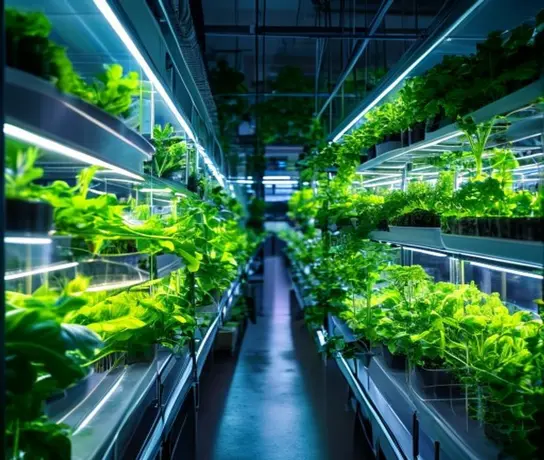
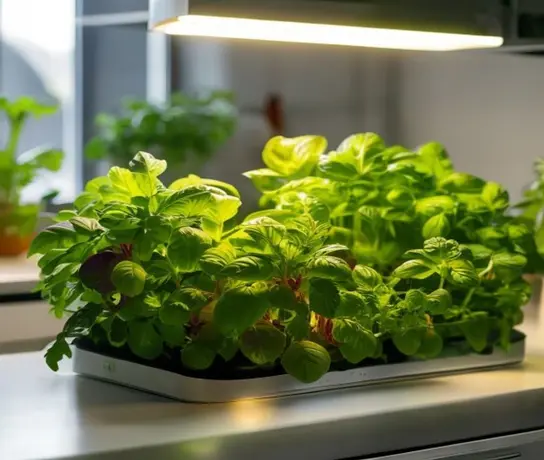
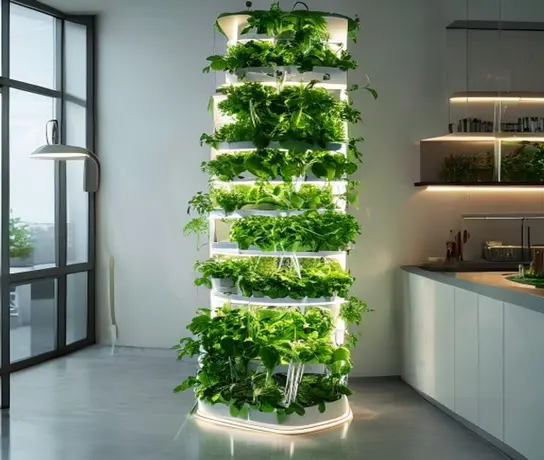
Hydroponic setup lets you grow faster with less water, even without soil. Venturing into soilless cultivation offers immense rewards, from accelerated growth to significant water savings. Understanding the fundamental components and system variations is key to success. This comprehensive guide explores what this approachs entail, detailing the core systems and essential considerations for thriving indoor or outdoor gardens.
Understanding Core Hydroponic Setup Options
Hydroponics involves growing plants without soil, using mineral nutrient solutions dissolved in water. The plants are supported by an inert medium or simply suspended with their roots directly in the nutrient solution. Each type of this approachs offers unique advantages and challenges, making selection critical for your specific goals.
The choice of a hydroponic system directly impacts the plants you can cultivate, the space required, and the level of maintenance. For instance, leafy greens thrive in simpler setups, while fruiting plants often demand more complex, resource-intensive systems. Always consider your plant’s needs.
Deep Water Culture (DWC) Hydroponic Setups
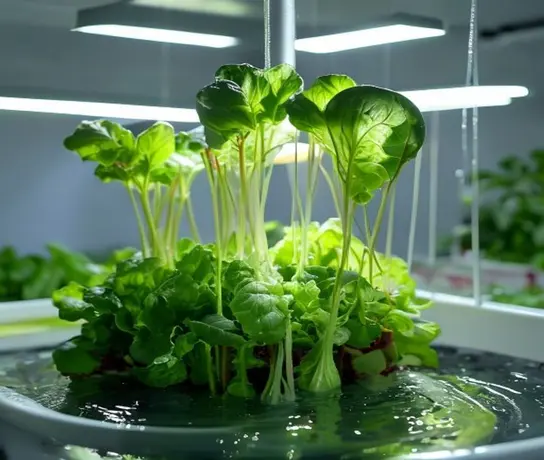
Deep Water Culture (DWC) is among the simplest and most popular this soilless systems for beginners. Plants are suspended in net pots with their roots immersed in a nutrient-rich water reservoir. An air stone and air pump oxygenate the solution, preventing root rot and promoting vigorous growth.
This system is particularly effective for plants with high water requirements like lettuce, spinach, and herbs. Its simplicity of design makes it a favorite for home growers looking for quick results with minimal moving parts.
Pros: Simple, low cost, easy to build and maintain, excellent for leafy greens.
Cons: Roots constantly submerged (risk of rot if oxygenation fails), not ideal for large, long-term fruiting plants.
Essential Components for Any Hydroponic System
Compare part specs with manufacturer docs such as General Hydroponics resources before buying pumps and timers for your hydroponic setup.
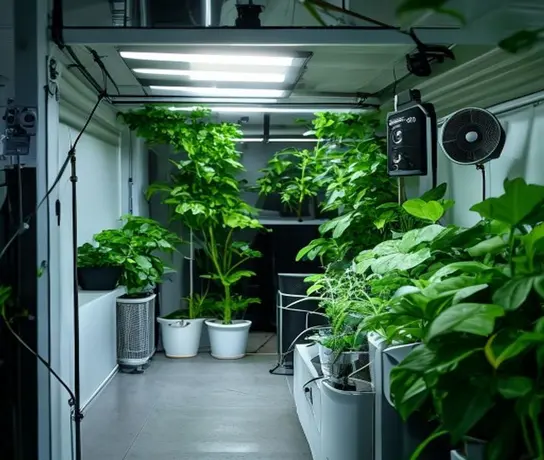
Regardless of the specific this soilless systems you choose, several core components are universally necessary for successful cultivation. These elements work in concert to provide plants with everything they need to flourish outside of soil.
From reservoirs to advanced monitoring equipment, each component plays a vital role. Skimping on quality or understanding the function of these parts can lead to significant setbacks in plant health and yield. Prioritize robust, plant-safe materials.
Reservoir: Stores the nutrient solution. Opaque containers prevent algae growth.
Grow Media: Provides physical support for plants. Common types include rockwool, coco coir, perlite, and clay pebbles (hydroton).
Nutrient Solution: A precisely balanced blend of essential macro and micronutrients dissolved in water.
Water Pump: Circulates nutrient solution in systems like NFT, Ebb and Flow, and Drip.
Air Pump & Air Stone: Crucial for oxygenating the nutrient solution, especially in DWC systems.
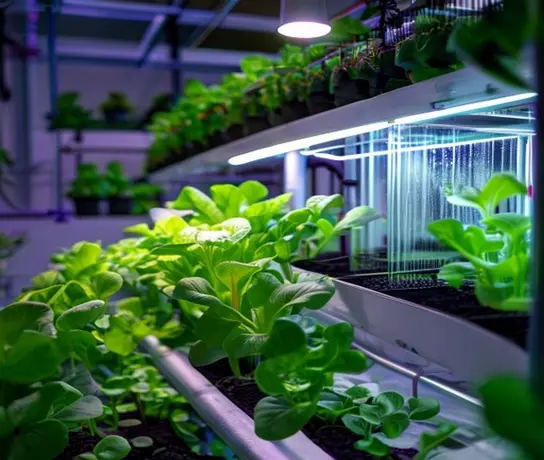
Lighting: Essential for indoor setups. LED grow lights are efficient and provide a full spectrum.
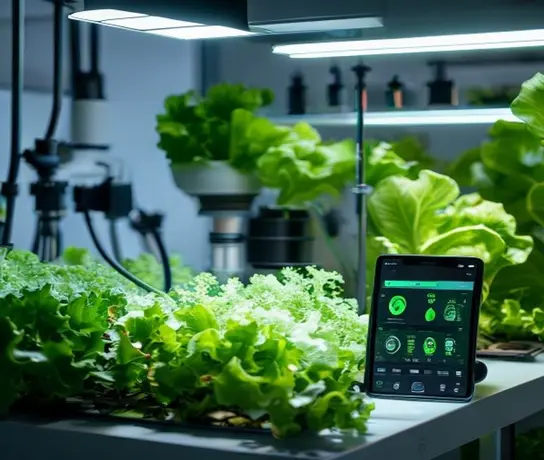
pH & EC Meters: Tools to monitor the acidity/alkalinity (pH) and nutrient concentration (Electrical Conductivity) of the solution.
Comparing Popular Hydroponic Setup Types
Selecting the right system requires understanding the trade-offs between complexity, cost, and suitability for different plant types. Here’s a brief comparison of some commonly utilized hydroponic setups:
System Type
Complexity
Ideal Plants
Water Efficiency
Deep Water Culture (DWC)
Low
Leafy greens, herbs
Moderate
Nutrient Film Technique (NFT)
Medium
Lettuce, strawberries, herbs
High
Ebb and Flow (Flood & Drain)
Medium
Many types, especially root crops
Medium-High
Drip System
Medium
Tomatoes, peppers, larger plants
High
Aeroponics
High
High-value crops, propagation
Very High
Expert Insight: Demystifying pH Swings
A common challenge new growers face with hydroponic setups is managing pH stability. Many assume constant pH drift means a faulty system or bad nutrients. Often, it’s a natural plant response. As plants absorb nutrients, they release ions that change the solution’s pH. For example, many plants preferentially absorb nitrogen in the form of nitrates, which tends to increase the pH over time. Conversely, absorbing ammonium can lower it.
My recommendation: Instead of over-adjusting daily, establish a consistent daily check and adjust only if the pH falls outside the optimal range for your specific plants. Aim for stability within a small acceptable window, typically 5.5 to 6.5 for most crops, as supported by numerous agricultural extension services. Frequent, drastic adjustments can shock plants more than a slightly off but stable pH. Understanding this dynamic prevents unnecessary stress on both the grower and the plants.
Maintaining Your Hydroponic System for Longevity
Effective maintenance is paramount for sustaining productive hydroponic setups. Regular cleaning and monitoring not only prevent issues but also maximize yield and plant health. Neglecting these routines can lead to nutrient deficiencies, disease, and system failures.
A consistent schedule for reservoir changes and equipment checks will dramatically reduce problems. Adhering to these best practices, as outlined by leading horticultural journals, ensures a robust and resilient growing environment.
Here are key maintenance practices:
Nutrient Solution Changes: Replace the entire reservoir solution every 7-14 days to prevent nutrient imbalances and pathogen buildup.
pH and EC Monitoring: Check daily and adjust as needed to keep levels within the optimal range for your crop.
System Cleaning: Regularly clean reservoirs, pumps, and tubing to remove algae, biofilm, and mineral deposits. Use a diluted hydrogen peroxide solution or specialized hydroponic cleaning agents.
Pest and Disease Management: Inspect plants daily for signs of pests or diseases. Address issues promptly with organic solutions where possible to maintain system integrity.
Water Top-Offs: As plants absorb water, the solution level drops. Top off with fresh, pH-adjusted water (without nutrients initially) between full solution changes to maintain concentration.
Embracing hydroponics opens up exciting possibilities for year-round cultivation and sustainable gardening. By mastering the principles of different hydroponic setups and committing to diligent maintenance, you can cultivate vibrant, healthy plants and enjoy bountiful harvests from your very own soilless garden.
Start by listing the tasks that eat most of your week. Rank them by time cost, then match each one to a feature on your shortlist. Ask vendors for a live demo using your own data, not a canned sample. Check reviews from teams of your size, since enterprise feedback can mislead. Finally, test one option with a small pilot group before rolling it out to everyone.
Common Mistakes to Avoid
The biggest mistake is buying for features you will never use. Keep the stack lean and master the basics first. Another trap is skipping training, which leaves half the value on the table. Schedule one short session per week until the team is fluent. Review usage numbers monthly and drop tools nobody opens.
Verdict: a hydroponic setup rewards growers who start small and measure everything. Master one system, log every reading and expand only when harvests stay consistent.
What plants suit a hydroponic setup best?
Leafy greens and herbs like lettuce, basil and mint thrive for beginners. They grow fast, forgive small mistakes and harvest continuously with basic nutrients.
How often should I check pH and nutrients?
Test pH daily and nutrient strength every two to three days while learning. Log readings in a notebook so drift patterns become obvious before plants stress.
Do I need grow lights indoors?
Yes, unless a bright south-facing window gives six steady hours. Full-spectrum LEDs on a timer deliver consistent growth year-round.