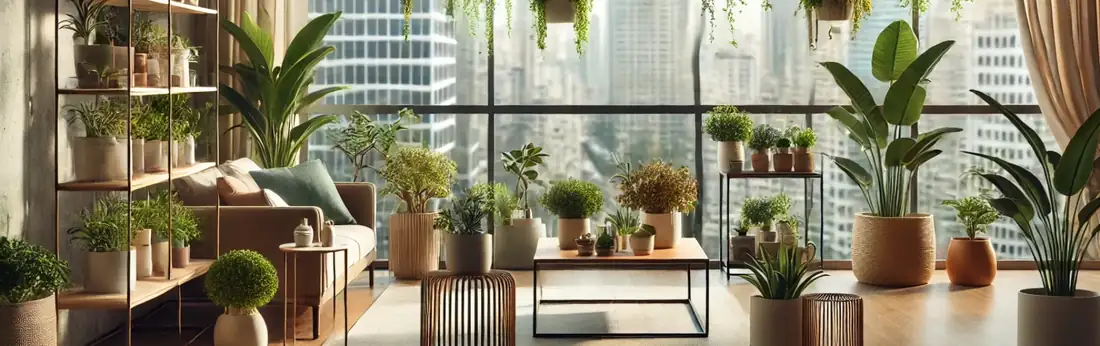
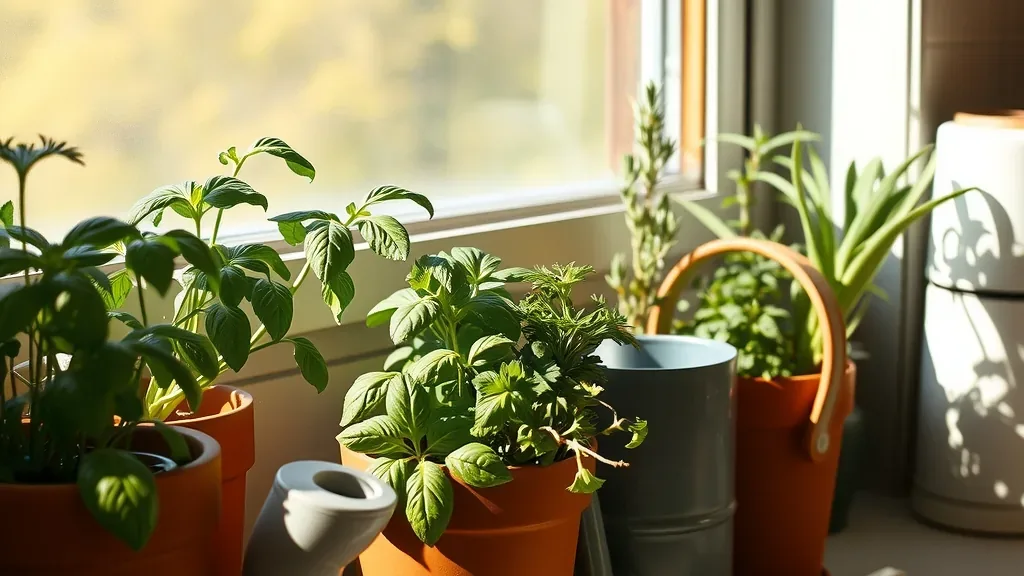
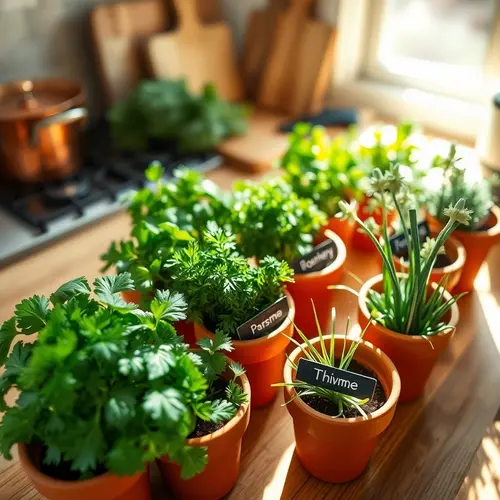
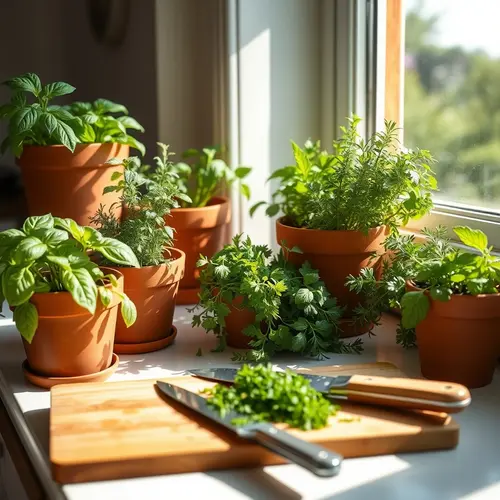
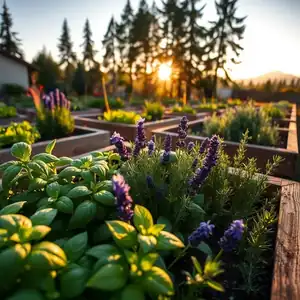
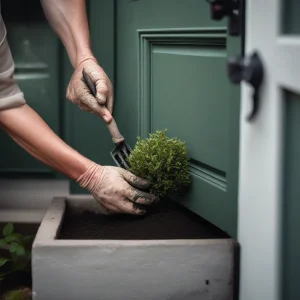
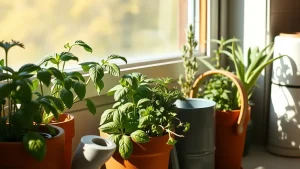
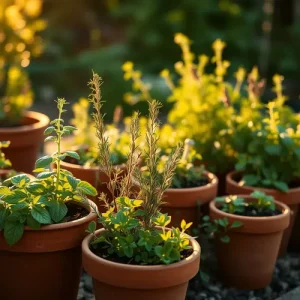
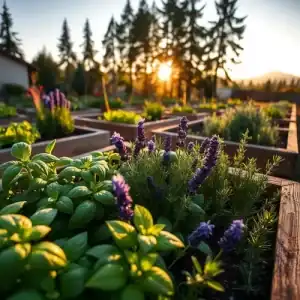
Urban herb gardening allows apartment dwellers to cultivate fresh, aromatic ingredients regardless of limited square footage or lack of a traditional backyard. Whether you are working with a sunny windowsill, a fire escape, or a small balcony, the ability to harvest your own culinary plants transforms your kitchen experience. By focusing on light requirements, container selection, and consistent maintenance, you can establish a thriving edible oasis in the heart of the city.
Selecting the Best Varieties for Your Space
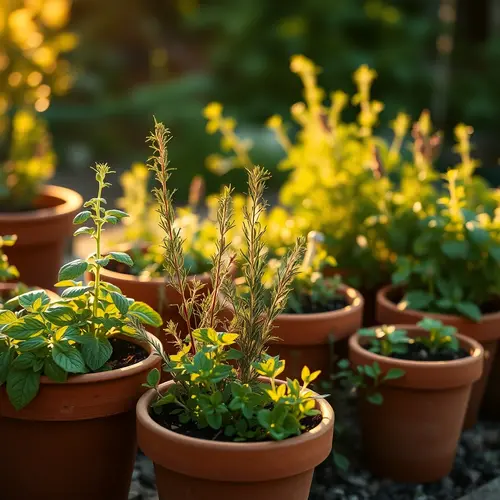
Choosing the right plants is the foundation of a successful indoor or balcony garden. Not all greens thrive in confined environments, so prioritize varieties that adapt well to containers. For beginners, hardy herbs like chives, mint, and parsley are excellent choices because they tolerate varying light levels and are forgiving if you occasionally miss a watering session. If you have a south-facing window with intense light, consider sun-loving options like rosemary, thyme, and oregano, which require at least six hours of direct sunlight to develop their signature oils and flavors. Avoid planting large, sprawling species that require deep root systems unless you have specialized vertical planters. Always check the mature size of the plant before purchasing to ensure your pots provide enough room for healthy growth. If you are looking to expand your home food production beyond herbs, you might also consider starting a Spring Vegetable Garden to complement your kitchen harvests.
Mastering Urban Herb Gardening Techniques
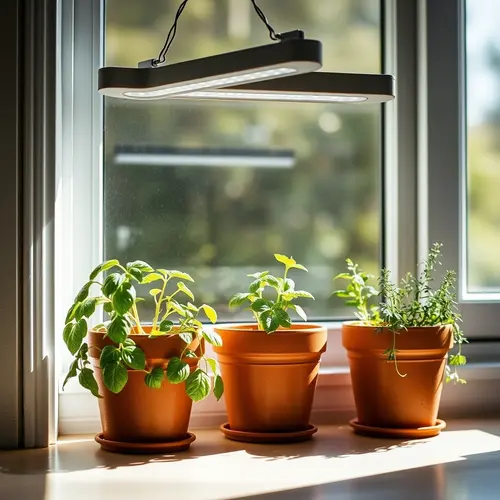
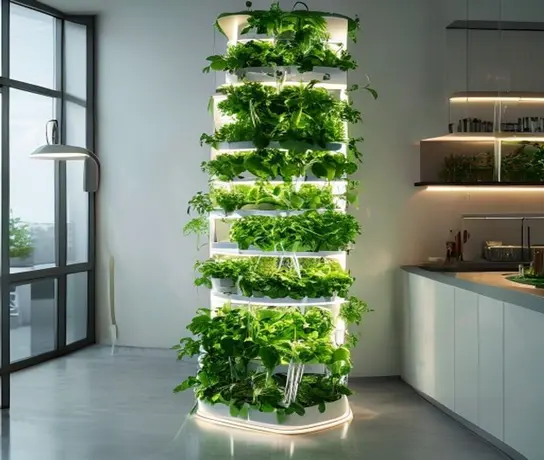
Successful urban herb gardening requires a strategic approach to light and hydration. Most culinary plants need at least six hours of sunlight daily, making window placement critical. If your home lacks natural light, investing in high-quality grow lights is a practical solution. These tools simulate the full spectrum of the sun, allowing you to grow lush greens even in dim corners. Drainage is another non-negotiable factor; always use containers with holes at the bottom to prevent root rot, which is the most common cause of failure in small-scale cultivation. Use a high-quality, well-draining potting mix rather than garden soil, as the latter can become too dense and harbor pests when confined to a pot. For those interested in tech-forward methods, exploring a Hydroponic Setup can provide a soil-free alternative that often results in faster growth cycles and cleaner indoor environments.
Essential Tools and Equipment for Success
You do not need a shed full of machinery to maintain a productive plant collection. Start with the basics: a set of sharp pruning shears, a small watering can with a narrow spout for precision, and a spray bottle for occasional misting. If you are setting up a dedicated growing station, ensure your shelves are sturdy and moisture-resistant. Proper organization helps keep your workspace clean and makes regular maintenance tasks feel less like a chore. Many growers find that using a tiered rack allows them to maximize vertical space, which is essential in urban settings. For a deeper look at the gear that makes indoor cultivation seamless, check out our guide on Indoor Grow Equipment. Keeping your tools clean and sharp prevents the spread of disease between plants, ensuring your harvest remains healthy and vibrant throughout the growing season.
Comparing Container Options and Materials
The material of your container significantly impacts plant health by affecting how moisture is retained and how roots breathe. Porous materials like terracotta allow for better airflow but dry out quickly, while plastic or glazed ceramic pots hold moisture longer. Below is a comparison to help you decide which vessel fits your specific needs.
Container Type
Best For
Pros
Cons
Terracotta
Rosemary, Thyme
Breathable, prevents rot
Dries out very fast
Plastic
Mint, Parsley
Lightweight, retains water
Can trap heat
Fabric Pots
General Herbs
Excellent root aeration
Requires frequent watering
Self-Watering
Basil, Cilantro
Consistent moisture
More expensive
Maximizing Yields with Urban Herb Gardening
To maximize your urban herb gardening output, you must learn the art of harvesting. Never remove more than one-third of a plant at a time, as this allows the foliage to recover and continue producing new growth. Frequent harvesting actually encourages the plant to become bushier and more productive. Pinch off the tips of basil and mint regularly to prevent premature flowering, which can make the leaves taste bitter. If you find your plants struggling despite your best efforts, assess the ambient temperature and humidity. Most herbs prefer moderate temperatures and good air circulation. Avoid placing your plants directly in the path of cold drafts from air conditioners or heaters, as sudden temperature fluctuations can shock the root systems. Consistent care and observation are the hallmarks of an expert gardener. If you find yourself needing a place to rest after a long day of tending to your plants, consider our tips on finding the Best Mattress for Sleep to ensure you are fully recharged.
Troubleshooting Common Indoor Plant Issues
Even experienced growers encounter challenges, but most problems are easily solved with quick intervention. Yellowing leaves often indicate overwatering, while wilting despite moist soil can point to root rot or lack of light. Inspect the undersides of leaves regularly for common pests like aphids or spider mites. If you spot an infestation, a simple mixture of water and mild dish soap can often resolve the issue without the need for harsh chemicals. Always isolate affected plants to prevent the spread to your healthy ones. Remember that gardening is an iterative process; you will learn more from your mistakes than your successes. If you are curious about our philosophy on sustainable home living and plant care, you can read more at our About Us page. For further reading on plant physiology, consult the Penn State Extension, which offers extensive resources on home horticultural practices and pest management for small-space growers.
How much sunlight do most culinary plants require daily?
Most edible greens thrive with a minimum of six hours of bright, direct light. If your home does not provide this naturally, you should supplement with full-spectrum LED grow lights to ensure the plants develop their essential oils and maintain a compact, healthy growth habit throughout the year.
What is the primary reason for indoor plant failure?
Overwatering is the most frequent cause of death for indoor pots. Always check the moisture level of the soil by inserting your finger an inch deep before adding water. Ensure your containers have adequate drainage holes to prevent water from pooling at the bottom and causing root rot.
Should I use regular garden soil for my containers?
Avoid using outdoor dirt, as it is often too heavy and may contain pests or diseases. Instead, purchase a high-quality, sterile potting mix specifically designed for containers. This ensures proper aeration, moisture retention, and a clean environment that promotes vigorous root development for your kitchen greens.