Best Window Plants Indoor: Ultimate Guide for Every Light Exposure
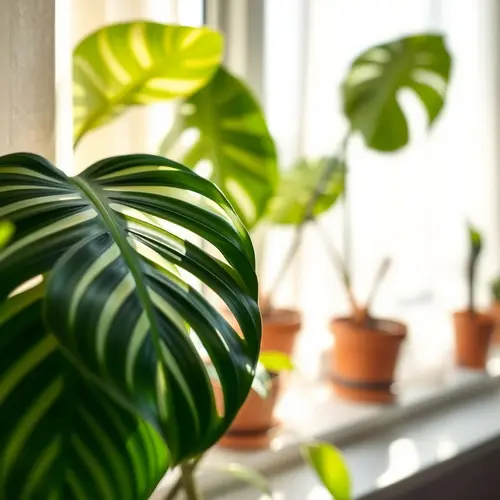
window plants indoor
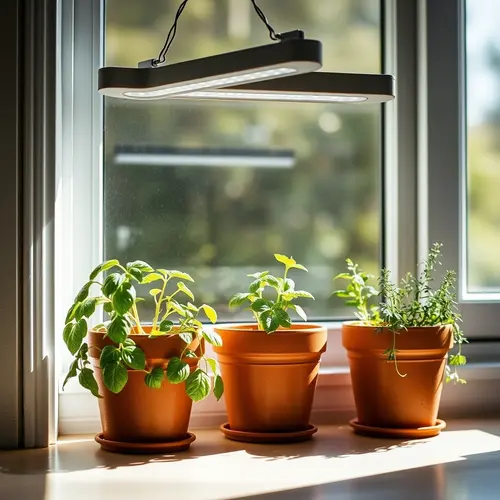
Choosing the right window plants indoor starts with mapping your actual light exposure, not just the window direction. Most failures happen because gardeners confuse “bright indirect” with “direct sun,” leading to scorched leaves or leggy growth.
Window Plants Indoor – Understanding Light Levels Before You Buy
Light intensity drops exponentially with distance. A plant sitting three feet from a south glass receives a fraction of the energy hitting the sill. Use a light meter or the shadow test: sharp, defined shadows equal direct sun; fuzzy shadows equal bright indirect; no shadow equals low light. The Missouri Botanical Garden emphasizes that duration matters as much as intensity for photosynthesis rates.
Matching window plants indoor to Window Orientation
Orientation dictates the daily light curve. South faces deliver the longest duration of high intensity. North faces offer consistent, gentle light. East and West sit in the middle but with distinct temperature spikes. Matching species to these rhythms prevents chronic stress.
South-Facing: High Light Champions for window plants indoor
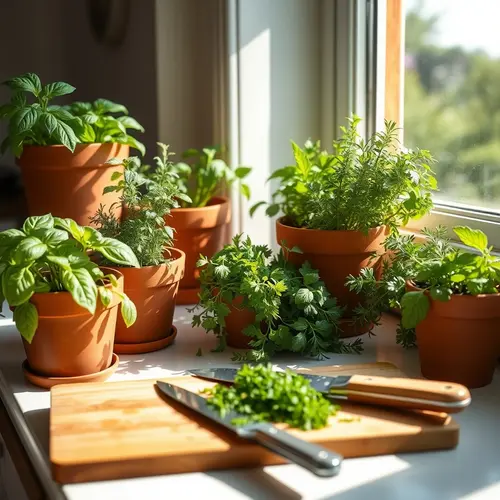
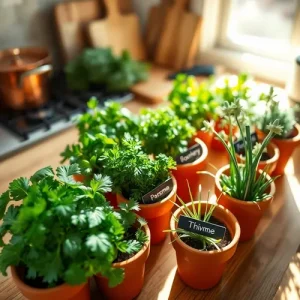
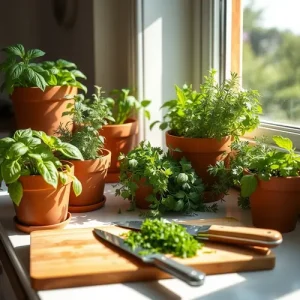
These sills bake. Succulents, cacti, citrus, and Mediterranean herbs thrive here. Sansevieria and Yucca tolerate the heat, but watch for spider mites in dry, hot air. Rotate pots weekly for even growth. Acclimate new purchases slowly; a greenhouse-grown cactus will burn in two hours of raw afternoon glass.
Window Plants Indoor: The Sweet Spot
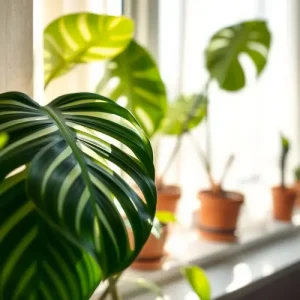
Morning sun is cool and gentle. It suits the broadest palette: Monstera deliciosa, Fiddle Leaf Fig, Philodendron, and flowering favorites like African Violet and Orchid. This exposure mimics the forest understory canopy break. It is the safest bet for foliage density and bloom cycles.
Window Plants Indoor: Intense Afternoon Heat
Afternoon rays are harsh and hot. Treat this like a moderated south window. Jade Plant, Aloe, Ponytail Palm, and Croton handle the blast. Sheer curtains are non-negotiable here for thin-leaved tropicals. Heat stress shows as crispy margins long before full scorch appears.
Window Plants Indoor: Low Light Specialists
No direct sun ever enters. Only the toughest survive: ZZ Plant, Cast Iron Plant, Snake Plant, Pothos, and Peace Lily. Growth slows significantly. Watering frequency must drop to match reduced metabolic activity. Expect smaller leaves and longer internodes; this is normal adaptation, not failure.
| Plant Variety | Ideal Exposure | Water Cadence | Key Risk |
|---|---|---|---|
| Fiddle Leaf Fig | East / Filtered South | When top 2″ dry | Root rot / Leaf drop |
| Snake Plant | Any / North OK | Monthly in winter | Overwatering |
| Jade Plant | South / West | Dry completely | Mealybugs / Rot |
| Monstera | East / Bright Indirect | Weekly check | Thrips / Leggy growth |
| African Violet | East / North (bright) | Bottom water | Crown rot / Cold water spots |
Window Plants Indoor Care Essentials: Beyond Light
Light drives the engine, but water, humidity, and soil tune the performance. Group plants to create localized humidity microclimates. The University of Georgia Extension notes that transpiration rates spike near heating vents in winter, demanding higher humidity or adjusted watering. Use a chopstick to test deep soil moisture; surface dryness lies. Fertilize weakly, weekly during active growth only. Salt buildup from synthetic feeds burns root tips faster than neglect.
Debunking the “Bright Indirect” Myth
Industry labels slap “bright indirect” on everything. True bright indirect means you can read a book comfortably at noon without artificial light, but the sun’s disk is never visible. Many “low light” tags actually mean “survives neglect,” not “thrives in shade.” A Pothos in a dark corner survives; the same plant in bright indirect produces fenestrations and massive leaves. Know the difference between survival and vigor.
Expert Window Plants Indoor : The Two-Week Acclimation
Never place a new plant directly into its final spot. I learned this losing a $200 Ficus lyrata to shock. Stage the plant: Day 1-3 in deep shade near the target window. Day 4-7 move one foot closer daily. Day 8-14 final position. Monitor for bleaching (white patches) or folding leaves. This mimics nursery hardening-off and saves 90% of transition casualties. Quarantine new arrivals for pests simultaneously; thrips and spider mites ride in on fresh foliage.
Window Plants Indoor Seasonal Adjustments
The sun angle shifts radically between solstices. A south sill in December receives light that hits the floor in June. Move tender tropicals back six inches in summer; pull succulents forward in winter. Clean glass monthly; dust films block up to 20% of PAR (Photosynthetically Active Radiation). Rotate pots 90 degrees every watering to maintain symmetrical crowns.
- Measure light with a phone app or meter before purchasing.
- Match watering to light level, not a calendar schedule.
- Acclimate every new plant for 14 days minimum.
- Clean windows and rotate pots for even growth.
- Group plants for humidity; avoid drafty vents.
Selecting the best window plants indoor transforms a glass rectangle into a living ecosystem. Respect the physics of light, honor the biology of the species, and your sills will reward you with structure, color, and cleaner air for decades.
Related reading: Should Cut Back Coleus – 7 Proven Ways to Grow Faster.