Vertical Hydroponic Tower – 7 Proven Ways to Grow Faster
vertical hydroponic tower
Related: The Ultimate kitchen herbs list — practical ideas you can start using today.
The Core Mechanics of a Vertical Hydroponic Tower
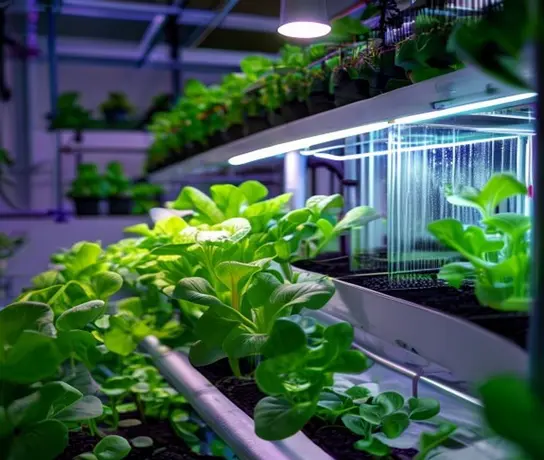
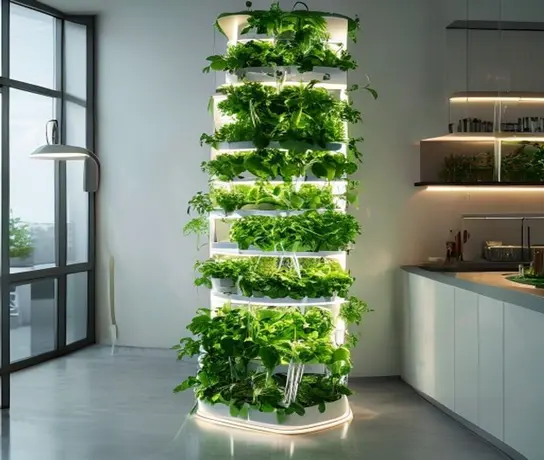
At its heart, a vertical hydroponic tower functions on principles of efficient nutrient delivery and space utilization. Water, enriched with essential plant nutrients, is pumped from a reservoir at the base to the top of the tower. From there, gravity draws the nutrient solution downwards, cascading over the roots of each plant before returning to the reservoir. This continuous cycle ensures plants receive a steady supply of hydration and nutrients.Most towers utilize a modified version of Nutrient Film Technique (NFT) or Deep Water Culture (DWC), where roots are either consistently bathed in a thin film of nutrient solution or suspended in a nutrient-rich mist (aeroponics). Grow media such as rockwool, coco coir, or clay pebbles typically provide initial support for seedlings and anchor plants within individual grow pots or net cups.Unpacking the Benefits of a Vertical Hydroponic Tower
The advantages of integrating a vertical hydroponic tower into your cultivation strategy are compelling and widely documented. These systems offer a suite of benefits that address common gardening challenges.- Exceptional Space Efficiency: By growing upwards, towers can cultivate significantly more plants per square foot than traditional horizontal gardening, ideal for compact environments.
- Optimized Water Conservation: Recirculating systems can use up to 90% less water than soil-based gardening, as validated by agricultural extension services research, by minimizing evaporation and runoff.
- Accelerated Plant Growth: Direct access to oxygen, water, and perfectly balanced nutrients often leads to faster growth rates and increased yields.
- Reduced Pest and Disease Risk: Growing in a soilless environment significantly mitigates the presence of soil-borne pests and diseases, simplifying plant care.
- Cleaner Cultivation: Eliminating soil means less mess, making towers suitable for indoor use in living spaces or kitchens.
Setting Up Your Vertical Hydroponic Tower System
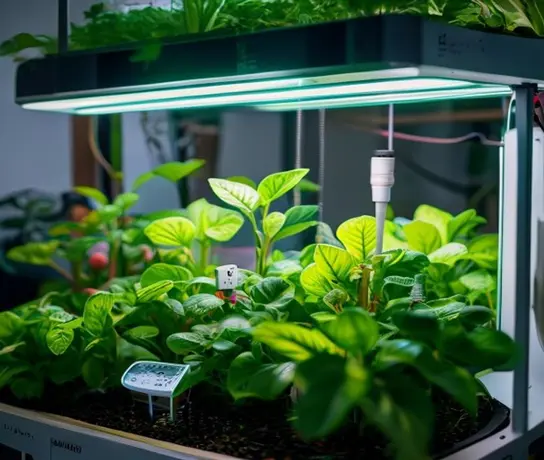
Establishing your tower system is a straightforward process, but careful attention to initial setup ensures long-term success. Begin by selecting a stable, level location that receives adequate light. If natural light is insufficient, full-spectrum LED grow lights are a crucial investment, mimicking sunlight’s intensity and spectrum.The nutrient solution is the lifeblood of your tower. Always use hydroponic-specific nutrients, which come in a multi-part formula to ensure a complete mineral profile. Monitoring pH levels, ideally between 5.5 and 6.5 for most plants, and Electrical Conductivity (EC) or Total Dissolved Solids (TDS) is paramount. These readings indicate the nutrient strength and availability to your plants. According to guidelines from leading horticultural research institutions, consistent pH and EC are critical for nutrient uptake.Expert Insight: The pH Paradox and Nutrient Lockout
A common pitfall for new hydroponic growers is neglecting pH stability. While often overlooked, pH drift is a significant factor in nutrient lockout. Plants can only absorb specific nutrients within a narrow pH range. If your pH climbs too high or drops too low, even if nutrients are present in the solution, plants cannot access them. This can manifest as yellowing leaves or stunted growth despite a seemingly full nutrient reservoir.Regular daily or bi-daily pH checks and minor adjustments are far more effective than infrequent, drastic corrections. Consider using a buffered pH solution or maintaining a consistent reservoir temperature to help stabilize levels. This proactive monitoring, based on years of practical experience, prevents many common deficiencies that beginners attribute to incorrect nutrient ratios.| Plant Type | Optimal pH Range | Grow Media Recommendation | Light Requirements (DLI) |
|---|---|---|---|
| Leafy Greens (Lettuce, Spinach) | 5.5 – 6.0 | Rockwool, Coco Coir | 12-17 mol/m²/day |
| Herbs (Basil, Mint) | 5.5 – 6.5 | Rockwool, Clay Pebbles | 15-20 mol/m²/day |
| Strawberries | 5.8 – 6.2 | Coco Coir, Clay Pebbles | 18-25 mol/m²/day |
| Bell Peppers | 5.8 – 6.5 | Clay Pebbles, Rockwool | 20-30 mol/m²/day |
How to Choose the Right Tower for Your Space
Start with the number of grow sites you can actually manage. A compact tower with 20 to 30 sites suits a balcony or a sunny kitchen corner, while a taller unit with 40 or more sites needs a dedicated wall, steady power, and a reservoir you can reach without a ladder. Measure the footprint, the height, and the distance to the nearest outlet before you order.
Check the pump and irrigation design next. A reliable vertical hydroponic tower should deliver an even flow to the top module and drain without pooling at the base. Look for a pump that can be removed for cleaning, a reservoir with a wide opening, and food-safe plastic that will not leach into the nutrient solution. A warranty of at least one year and available replacement parts matter more than a long feature list.
- Reservoir size: larger tanks buffer pH and nutrient swings during hot weather.
- Light compatibility: confirm the tower fits the grow light you plan to use.
- Noise: listen to the pump before buying if the tower will sit near a living area.
- Drainage: a small leak tray protects floors and prevents slippery surfaces.
Maintenance Schedule That Prevents Most Failures
A vertical hydroponic tower rewards a short, consistent routine. Most problems start with a missed check rather than a faulty part, so keep the schedule visible next to the reservoir. The table below reflects common practice for home growers; adjust the intervals to your climate, plant load, and reservoir size.
| Task | How often | What to check |
|---|---|---|
| pH and EC reading | Daily or every other day | pH near 5.5–6.5; EC within the range for your crop |
| Top up reservoir | Every 2–3 days | Water level, temperature, signs of algae |
| Full reservoir change | Every 1–2 weeks | Flush old solution, rinse tank, mix fresh nutrients |
| Clean pump and filter | Monthly | Debris, flow strength, cracked tubing |
| Deep clean and sanitize | Between crops | Root debris, biofilm, worn net cups |
Troubleshooting Common Problems
Yellowing lower leaves usually point to a nutrient imbalance or a pH drift that locks out iron and magnesium. Check pH first, then confirm the nutrient strength before adding more fertilizer. Algae growth signals light reaching the reservoir; cover the tank and reduce spillage. A weak trickle at the top of the tower often means a clogged filter, a kinked line, or a pump that needs cleaning.
Root rot appears as brown, slimy roots and a sour smell. Remove affected plants, sanitize the affected modules, and lower the reservoir temperature if it is running warm. Tip burn on lettuce and basil is usually a sign of high nutrient concentration or low airflow, not a disease. Keep a small notebook of readings and changes so you can trace a problem back to the adjustment that caused it.
Cost and Space Planning
The total cost of a vertical hydroponic tower is more than the unit itself. Budget for a grow light, nutrients, pH and EC meters, replacement pump parts, and electricity. A smaller tower with fewer sites usually costs less to run and is easier to keep stable, which makes it a better first purchase than a tall system you cannot maintain. Start with one crop you actually eat, learn the rhythm, and expand only after two clean harvests.
Final Verdict: Is It Worth It for Your Home?
For a home grower with limited floor space and a steady interest in fresh greens, a vertical hydroponic tower is a practical investment. It shortens the distance between the reservoir and the roots, uses water efficiently, and keeps produce close to the kitchen. The catch is maintenance: the system is only as good as your pH checks, reservoir changes, and pump cleaning. If you can commit to a short weekly routine, the tower delivers reliable harvests in a footprint that would otherwise grow very little.
Ready to expand your setup? Compare home herb garden kits and read the herb growing guide. For university-backed hydroponic guidance, see the Arkansas Cooperative Extension hydroponics program.
What is a vertical hydroponic tower?
A vertical hydroponic tower is a growing system that stacks plant sites around a central column and circulates nutrient-rich water from a reservoir at the base. Plants grow without soil, and gravity carries the solution down past the roots before it returns to the tank.
How many plants can a vertical hydroponic tower hold?
Compact home towers usually hold 20 to 30 grow sites, while taller units can hold 40 or more. The practical limit is your ability to check pH, refill the reservoir, and clean the pump, not the number printed on the box.
Is a vertical hydroponic tower hard to maintain?
It is manageable if you keep a routine. Check pH and nutrient strength every day or two, top up the reservoir, change the solution every one to two weeks, and clean the pump monthly. Most failures come from skipped checks rather than complicated repairs.
If vertical hydroponic tower feels overwhelming, start with the smallest step that produces a visible result. Anyone weighing vertical hydroponic tower should compare at least two realistic options before deciding. In practice, vertical hydroponic tower works best when the basics are handled before anything else.