Aerogarden – 7 Proven Ways to Grow Faster
aerogarden weed
Related: Right Indoor Hose For Your Home — practical ideas you can start using today.
For a deeper dive, read our full guide on Your Grow Indoor Garden.
Next step: see how Smart Hydroponics System works in real homes.
Understanding AeroGarden Limits for High-Value Crops
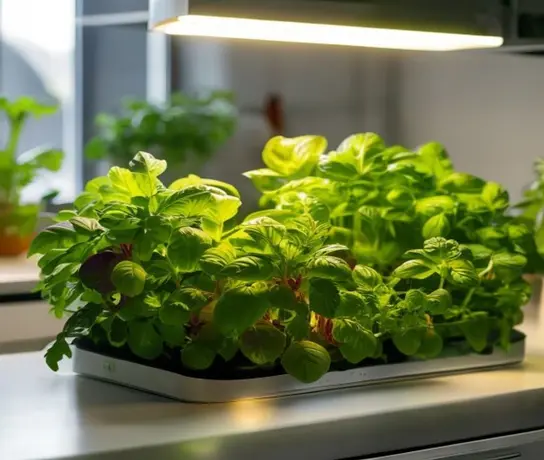
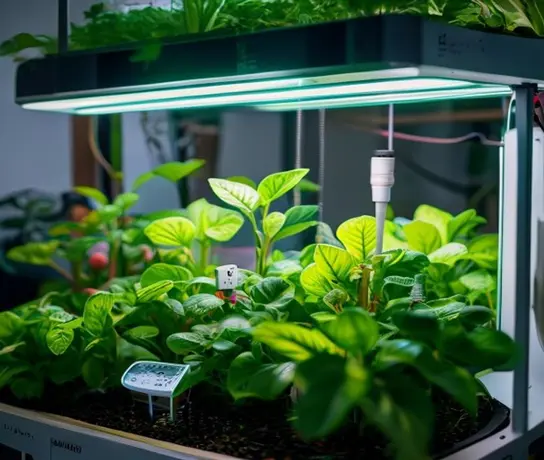
These countertop systems are typically designed for ease of use with culinary herbs, salad greens, and smaller fruiting plants. These systems excel at providing a controlled, soilless environment. However, when transitioning to plants like weed, which demand specific light spectra, intense illumination, ample root space, and precise nutrient delivery throughout their lifecycle, the standard stock configuration quickly shows its limits.The primary challenges involve inadequate light intensity for flowering, limited reservoir capacity for mature plants, and insufficient root development space. Overcoming these requires targeted modifications and a proactive cultivation approach, moving beyond the “set it and forget it” mentality.Essential Modifications for Optimizing Your Compact Weed Setup
To truly unlock the potential of your unit for demanding plants, specific upgrades are crucial. These adjustments focus on enhancing the environmental factors that directly impact plant health and yield, as detailed in the official AeroGarden support guides.- Lighting Upgrade: The built-in LED lights are often insufficient for the flowering stage of specific plants. Supplementing with or replacing them entirely with full-spectrum, higher-wattage LED grow lights is essential. Aim for lights that offer adjustable intensity and spectrum for vegetative and flowering phases.
- Nutrient Management: Standard Aerogarden nutrients are general-purpose. High-value crops require specialized hydroponic nutrient solutions designed for their specific growth stages (grow vs. bloom). Monitoring pH and Electrical Conductivity (EC) or Parts Per Million (PPM) is non-negotiable for nutrient absorption.
- Root Space & Aeration: As plants mature, their root systems expand dramatically. Consider modifications that allow for greater root volume, such as transplanting to a larger Deep Water Culture (DWC) system, or using methods that ensure consistent aeration to prevent root rot in the existing reservoir.
- Environmental Control: Maintaining optimal temperature (around 68-78°F or 20-25°C) and humidity (60-70% for vegetative, 40-50% for flowering) is vital. A small fan for air circulation within the canopy helps strengthen stems and deter pests.
Strategic Nutrient Regimen for Vigorous Growth
For cultivating aerogarden weed, a two-part or three-part hydroponic nutrient system offers greater flexibility than all-in-one solutions. During the vegetative stage, focus on higher nitrogen levels to promote lush leaf and stem development. As the plant transitions to flowering, switch to nutrients with higher phosphorus and potassium to support bud formation.Maintaining a stable pH level between 5.5 and 6.5 in the nutrient reservoir is paramount. Fluctuations can lock out essential nutrients, leading to deficiencies. Regular water changes (every 7-10 days) prevent nutrient lockout and salt buildup, ensuring fresh nutrition for the roots.A common myth in the home hydroponics community is that simply adding more nutrients equates to better growth. In reality, over-fertilization can cause nutrient burn, leading to yellowing leaves and impaired plant health. Precision, guided by EC/PPM meters, is far more effective than brute force.Comparing Aerogarden vs. Dedicated Hydroponic Systems
While an Aerogarden can be adapted, understanding its core differences from a dedicated hydroponic setup helps manage expectations and plan modifications. This table outlines key distinctions.| Feature | Standard Aerogarden | Dedicated Hydroponic System |
|---|---|---|
| Light Power & Spectrum | Low-wattage, fixed spectrum | High-wattage, full-spectrum LED/HPS with adjustability |
| Reservoir Volume | Small (1-2 gallons) | Medium to Large (5-20+ gallons) |
| Root Space | Constrained | Ample, optimized for vigorous root systems |
| Environmental Control | Minimal (passive) | Active (fans, filters, humidity control) |
| Modifiability | Limited, often requires DIY hacks | Highly customizable and scalable |
Cultivation Strategies for High Yields
Effective canopy management is key when growing aerogarden weed in a compact system. Techniques like Low-Stress Training (LST) and Screen of Green (SCROG) can maximize light exposure to lower branches and manage plant height. Pruning excess foliage that doesn’t receive light helps the plant focus energy on productive growth points.Implement these steps for a higher chance of success:- Start with robust genetics suited for compact growth.
- Calibrate your pH and EC meters regularly.
- Monitor plant health daily for signs of stress or deficiency.
- Maintain a consistent light cycle: 18/6 for vegetative, 12/12 for flowering.
- Ensure adequate air circulation around the plants.
AeroGarden setups reward growers who match light, nutrients, and airflow to each crop. Related reading: see this related guide and hydroponic setup options.
How to Choose the Right Option for Your Business
Start by listing the tasks that eat most of your week. Rank them by time cost, then match each one to a feature on your shortlist. Ask vendors for a live demo using your own data, not a canned sample. Check reviews from teams of your size, since enterprise feedback can mislead. Finally, test one option with a small pilot group before rolling it out to everyone.
Common Mistakes to Avoid
The biggest mistake is buying for features you will never use. Keep the stack lean and master the basics first. Another trap is skipping training, which leaves half the value on the table. Schedule one short session per week until the team is fluent. Review usage numbers monthly and drop tools nobody opens.
Final Verdict: Is It Worth It?
For most small teams, the answer is yes, provided you start lean and measure results. Pick one bottleneck, fix it well, then expand. Revisit your choice every year as pricing and features change. The detailed comparisons above give you a solid starting point.
Can a countertop garden grow weed?
It handles seedlings and compact vegetative growth well, but small reservoirs and stock lights limit flowering. Upgrade bulbs, track EC daily, and move tall plants out early. Treat harvests as practice runs, not full yields.
What upgrades matter most?
Full-spectrum lighting plus an AeroGarden air-stone upgrade tops the list for stronger roots. Add a timer, EC meter, and gentle fan for airflow. Feed lightly at first, then raise strength as leaves darken.
When should plants move out?
Transplant once roots crowd the deck or stems near the light hood. Harden plants off over several days before the move. Keep feeding schedules steady through the switch to avoid shock.
In practice, aerogarden works best when the basics are handled before anything else.