Indoor Hose – 7 Proven Ways to Grow Faster
indoor hose

For modern homes, managing water tasks can be a challenge, especially without direct outdoor access or convenient utility sinks. The this approach has emerged as an indispensable tool, offering unparalleled flexibility for everything from nurturing houseplants to cleaning specific areas. This guide provides an authoritative look at selecting and using an this approach effectively, ensuring a blend of convenience and practicality.
Why an this approach is Essential for Modern Homes
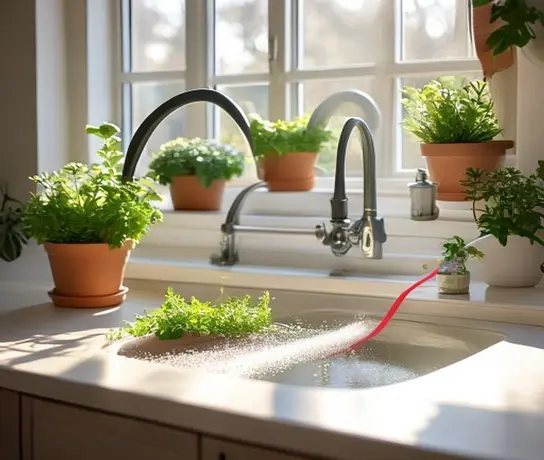
An this approach solves numerous domestic dilemmas. It eliminates the tedious trips back and forth with watering cans for extensive plant collections. It offers a direct, powerful stream for cleaning pet messes, scrubbing shower walls, or even rinsing out large containers in a sink that lacks an integrated sprayer. For apartment dwellers or those with small yards, an this approach extends watering capabilities far beyond what a traditional kitchen faucet can offer, transforming balconies and indoor spaces into vibrant green havens. Beyond convenience, an this approach promotes water efficiency. When connected to a faucet, it allows for more targeted application, reducing runoff and waste often associated with less precise methods. According to general recommendations from water conservation advocacy groups, controlled water delivery systems can significantly reduce household water consumption, making an this approach an eco-conscious choice.Understanding Types and Features of Your Next this approach
Not all this approachs are created equal. Their design and intended use dictate their features, from material composition to connection types.- Faucet-Mount Hoses: These typically attach to kitchen or bathroom sink faucets, often requiring an adapter. They are ideal for plant watering, sink cleaning, or small task areas.
- Shower-Attachment Hoses: Designed to connect directly to showerheads or diverters, these are excellent for pet washing, cleaning shower stalls, or filling bathtubs quickly.
- Portable Mini-Hoses: Compact and often retractable, these lightweight options are perfect for small spaces, easy storage, and quick, light-duty tasks.
- Utility Room Hoses: More robust, these are designed for laundry rooms or utility sinks, often for filling buckets or power-rinsing larger items.
Selecting the Ideal this approach Material
The material of an this approach significantly impacts its durability, flexibility, and longevity. Common options include:- PVC (Polyvinyl Chloride): Lightweight, often clear, and generally affordable. It can stiffen over time, especially with temperature changes.
- Rubber: More flexible and durable than PVC, rubber hoses are resistant to kinking and temperature fluctuations but tend to be heavier.
- Hybrid Materials: Blending PVC with rubber or other polymers, these offer a good balance of flexibility, durability, and weight.
| Feature | PVC | Rubber | Hybrid |
|---|---|---|---|
| Flexibility | Moderate (can stiffen) | High | Good |
| Durability | Fair | Excellent | Very Good |
| Weight | Light | Heavy | Moderate |
| Kink Resistance | Low | High | Moderate to High |
| Cost | Low | High | Moderate |
Installation & Usage Best Practices for Your This approach
Proper installation and usage are paramount to maximizing the lifespan and preventing common issues associated with an this approach. Always ensure a secure connection to your water source. For faucet adapters, hand-tighten firmly but avoid over tightening, which can strip threads or damage internal gaskets. Using a small amount of plumber’s tape on the threads can create an even more secure, leak-proof seal. After each use, drain the hose completely. Stagnant water can lead to bacterial growth and mold, especially in warmer environments. According to general guidelines for indoor moisture control, consistently damp environments foster microbial proliferation, posing potential health concerns. Hang or coil your hose neatly for storage. This prevents kinking, extends material life, and avoids tripping hazards.Expert Insight: Debunking the “Leaks are Inevitable” Myth
A common apprehension about indoor hoses is the fear of leaks. This concern, while understandable, often stems from past experiences with poorly chosen materials or improper installation. The notion that “an indoor hose always leaks” is largely an outdated myth. Modern manufacturing techniques and quality control mean that a well-chosen hose with robust fittings, installed correctly, is designed for reliable, leak-free operation. Invest in a hose with quality brass connectors and inspect seals regularly. Most leaks arise from worn washers or loose connections, which are simple to fix with basic maintenance.Safety and Maintenance for Long-Term Value
Regular inspection is key. Look for cracks, bulges, or signs of wear on the hose material. Check all connection points for drips or corrosion. Replace worn washers or O-rings promptly. If using a retractable model, ensure the retraction mechanism operates smoothly without excessive force, which could damage the hose. Never leave an indoor hose under constant pressure when not in use. Always turn off the water supply at the faucet. This practice not only conserves water but also prevents undue strain on the hose and fittings, significantly reducing the risk of unexpected ruptures or leaks. Consider the water temperature; while most indoor hoses handle tap water temperatures, extreme hot water can degrade certain materials over time.Making the Informed Choice for Your Home
Selecting the ideal indoor hose boils down to your specific needs. For apartment dwellers with limited storage, a compact, retractable model with a quick-connect faucet adapter offers maximum utility without clutter. Pet owners often benefit from a longer, durable hose with a powerful, adjustable spray for efficient cleaning. Plant enthusiasts might prioritize a lightweight model with a gentle shower setting to protect delicate foliage. By understanding the various types, materials, and best practices, homeowners can confidently choose an indoor hose that provides reliable service for years. This versatile tool is a testament to clever design meeting practical needs, significantly simplifying numerous household tasks and making an indoor hose a smart addition to any functional living space.Related reading: see this related guide and compare more options here.
How to Choose the Right Option for Your Business
Start by listing the tasks that eat most of your week. Rank them by time cost, then match each one to a feature on your shortlist. Ask vendors for a live demo using your own data, not a canned sample. Check reviews from teams of your size, since enterprise feedback can mislead. Finally, test one option with a small pilot group before rolling it out to everyone.