The Ultimate Guide to Choosing the Perfect Herb Garden Planter Box
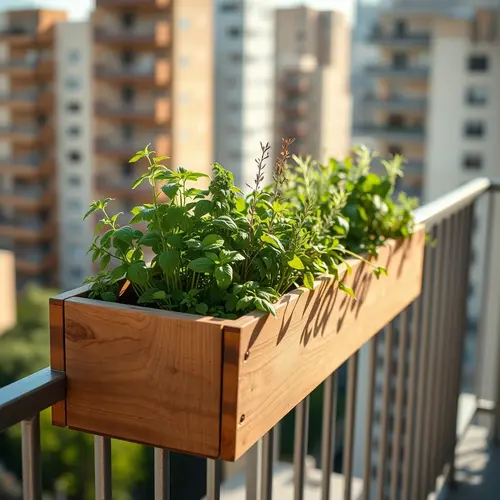
herb garden planter box
A herb garden planter box offers a compact, controllable way to grow fresh basil, thyme, and rosemary right outside your kitchen door. The best choice combines drainage holes, durable material, and at least 6 inches of depth to support healthy root systems.
Using a dedicated planter box keeps soil conditions consistent and reduces competition from invasive weeds. According to guidelines from the USDA Natural Resources Conservation Service, proper drainage prevents waterlogging that can harm herb roots. This makes a herb garden planter box ideal for beginners who want reliable harvests without constant monitoring.
Why a Herb Garden Planter Box Beats Traditional Pots
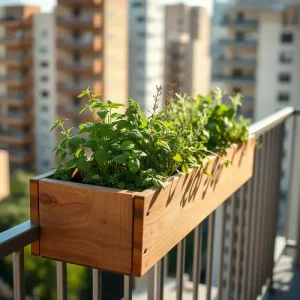
Traditional pots often tip over in wind and dry out unevenly, especially on balconies. A well-designed herb garden planter box stays level, distributes moisture evenly, and can be mounted on rails or stands for better sun exposure.
Key Features to Look for in a herb garden planter box
Look for corrosion‑resistant materials such as powder‑coated steel or food‑grade plastic that won’t leach chemicals into the soil. A built‑in saucer or tray captures excess water, protecting surfaces while keeping the medium moist. Many experts from Better Homes & Gardens recommend a width of at least 12 inches to accommodate multiple herb varieties side by side.
| Material | Pros | Cons | Typical Lifespan (years) |
|---|---|---|---|
| Cedar Wood | Natural look, breathable, rot‑resistant | Requires sealing, can warp | 5‑8 |
| Powder‑Coated Steel | Strong, modern, UV‑stable | Can heat up in direct sun | 10‑15 |
| Food‑Grade Plastic | Lightweight, inexpensive, varied colors | May become brittle over time | 3‑5 |
| Glazed Ceramic | Attractive, heavy, good insulation | Fragile, prone to cracking | 5‑7 |
Choosing the right material depends on your climate and aesthetic preferences; for example, a herb garden planter box made of powder‑coated steel works well in hot, sunny areas because it resists rust and maintains structural integrity.
Expert Herb Garden Planter Box: Maria Lopez, a horticulture specialist with the University of Florida Extension, notes that overwatering is the most common mistake in container herb gardens. She advises checking the saucer after each watering; if water pools for more than an hour, reduce frequency or increase the drainage layer.
Herb Garden Planter Box – Soil Mix and Fertilization Tips
Start with a high‑quality potting mix formulated for containers; it should be light, well‑draining, and rich in organic matter. Avoid using garden soil alone, as it can compact and impede root growth. Adding a handful of perlite or coarse sand improves aeration.
Mix in a slow‑release organic fertilizer at planting time to feed herbs steadily through the season. For leafy varieties like basil and parsley, a balanced N‑P‑K ratio of 10‑10‑10 works well. Reapply a liquid fish emulsion every four weeks during active growth.
Top‑dress the surface with a thin layer of compost each month to replenish nutrients and support beneficial microbes. Keep the compost layer no thicker than half an inch to avoid smothering young shoots.
Watering Herb Garden Planter Box
Check moisture by inserting a finger about an inch into the medium; water only when it feels dry to the touch. Overwatering leads to root rot, while underwatering stresses plants and reduces flavor intensity. Consistent, moderate moisture yields the best herb quality.
Water early in the morning to allow foliage to dry before evening, which helps prevent fungal diseases. Use a watering can with a long spout to target the base of each plant and avoid wetting leaves unnecessarily. If you have a saucer, empty it after each watering to prevent standing water.
Consider installing a simple drip irrigation kit with a timer for larger balcony setups. This delivers water directly to the root zone and reduces waste. Adjust flow rates based on the specific needs of each herb variety.
Herb Garden Planter Box – Companion Planting Ideas
Basil thrives beside tomatoes; its aromatic oils may help deter certain pests and improve tomato flavor. Plant them at opposite ends of the planter box to give each enough space for growth. Both enjoy similar sun and watering schedules.
Thyme and rosemary share a preference for well‑drained, slightly alkaline soil and can be placed together in the center of the box. Their low‑growth habit creates a fragrant groundcover that suppresses weeds. Avoid crowding them with taller herbs that shade their foliage.
Mint is vigorous and invasive; it’s best confined to its own smaller container within the planter box or placed in a separate pot. This prevents its runners from overtaking slower‑growing companions like chives or cilantro.
Herb Garden Planter Box – Seasonal Care Guide
In spring, refresh the soil mix, remove any dead foliage, and start sowing seeds or transplanting seedlings as temperatures rise above 50 °F. Provide a light feeding of balanced fertilizer to support new growth. Gradually increase watering as daylight lengthens.
During summer, monitor soil moisture daily; hot weather can dry the medium quickly. Mulch the surface with straw or shredded bark to retain moisture and keep roots cool. Harvest frequently to encourage bushier growth and prevent flowering, which can reduce leaf flavor.
In early fall, reduce fertilization and begin hardening off plants for cooler nights. Trim back any leggy growth and consider planting a second crop of cold‑tolerant herbs like parsley and cilantro. Protect the box from early frosts by moving it to a sheltered spot or covering with a frost cloth.
Winter care depends on your climate; in milder zones, herbs may survive with minimal watering and occasional feeding. In colder regions, move the planter box to a garage or basement with indirect light, or treat herbs as annuals and replant next spring. Always clean the container before storage to prevent disease carryover.
In summary, a well‑chosen herb garden planter box gives you control over soil, water, and sunlight, leading to healthier herbs and a more enjoyable gardening experience. Take the time to match material, size, and features to your space, and you’ll enjoy fresh flavors year after year.