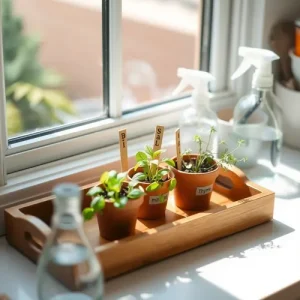
Indoor Herb Garden Tips for Fresh Flavor Year-Round
indoor herb garden tips
Indoor herb garden tips put fresh, vibrant flavors at your fingertips, the fastest way indoor herb garden tips is the fastest way to grow basil, mint, and thyme year-round. Growing herbs indoors eliminates the frustration of seasonal availability, keeping aromatic, healthy leaves within arm’s reach while you cook.
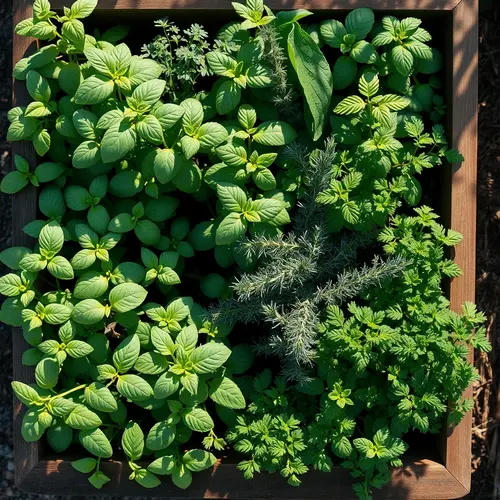
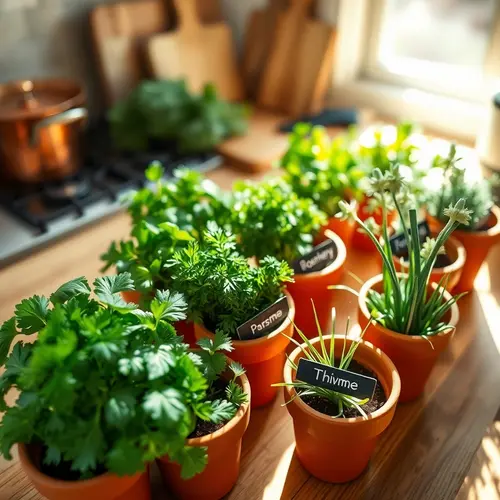
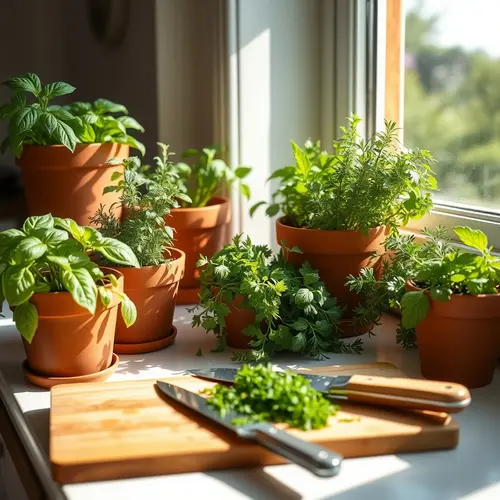
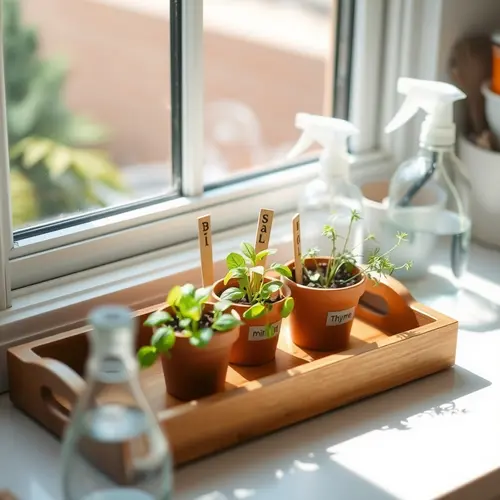
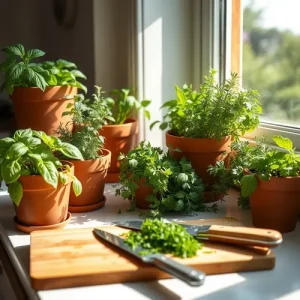
A compact setup on a sunny kitchen windowsill or countertop supplies a steady stream of fresh ingredients for soups, salads, and homemade sauces. Beyond culinary convenience, tending to indoor greenery offers proven gardening wellbeing benefits—reducing daily stress and improving indoor air quality, according to research from the University of Vermont’s Department of Plant and Soil Science.
Whether you live in a city apartment or simply want an accessible winter garden, these actionable strategies will help your kitchen herbs thrive.
10 Proven Indoor Herb Garden Tips for Thriving Kitchen Gardens
1. Indoor Herb Garden Tips – Optimize Natural Light and Sunlight Angles
Light drives photosynthesis, and most culinary herbs require six to eight hours of bright, direct exposure daily to produce high levels of essential oils. South-facing windows deliver the best light intensity in North American homes, while west-facing windows serve as a solid secondary option.
If your windows are shaded by trees or neighboring buildings, turn your pots a quarter-revolution every few days so all sides receive balanced light exposure.
2. Indoor Herb Garden Tips Supplement with Full-Spectrum LED Grow Lights
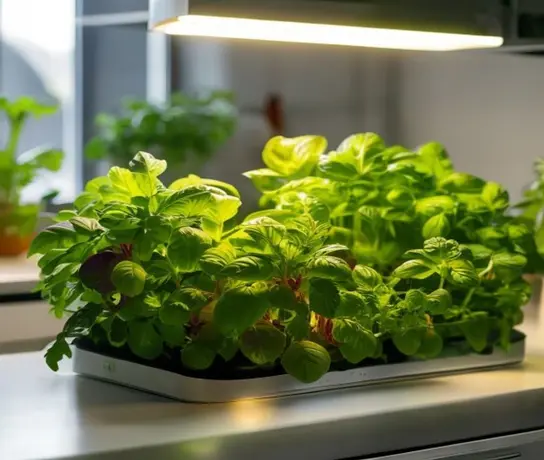
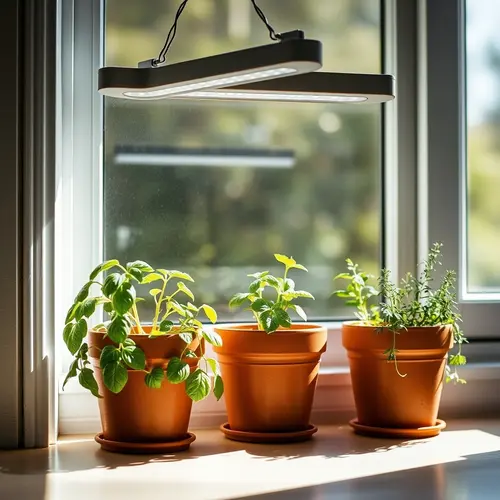
When natural sunlight falls short—especially during dark winter months—supplemental lighting saves your garden from becoming weak and sparse. Full-spectrum LED panels mimic natural sunlight without generating excess heat that can scorch delicate foliage.
Follow these best practices when setting up grow lights:
-
Positioning: Place lights 6 to 12 inches above seedlings and raise the fixtures as plants mature.
-
Consistency: Use an automated timer to provide a steady 14-hour light cycle, mimicking long summer days.
-
Observation: Monitor leaf color closely; pale leaves or unusually long, leggy stems signal that your plants need more light.
3. Indoor Herb Garden Tips – Regulate Indoor Temperatures
Temperature control plays a critical role in preventing stress. The USDA Agricultural Research Service notes that maintaining daytime indoor temperatures between 65°F and 75°F encourages steady, leafy growth.
Avoid letting temperatures drop drastically at night, and keep pots away from cold window drafts or direct heat vents. Stable ambient conditions prevent cool-season herbs like cilantro and dill from “bolting” (flowering early and turning bitter).
4. Indoor Herb Garden Tips – Ensure Proper Air Circulation
Stagnant air creates an ideal environment for mold, powdery mildew, and fungal spores. Keep a small oscillating fan on a low setting near your plant station to boost air movement. Gentle airflow strengthens plant stems and keeps humidity levels balanced around the foliage.
5. Select Containers with Superior Drainage
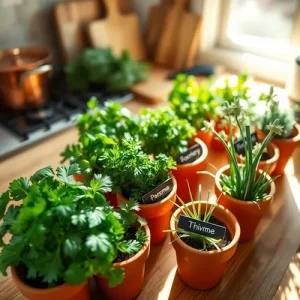
Potted herbs need oxygen at their roots just as much as they need water. Always choose pots with dedicated drainage holes to prevent waterlogging, which rapidly leads to fungal root rot in moisture-sensitive species like rosemary and sage. Terra cotta pots are ideal because their porous clay walls allow soil to breathe and dry out naturally.
6. Match Herb Types to Container Sizes
Herbs have different root structures and spreading habits. Planting them in undersized containers stunts their growth and leads to quick depletion of soil nutrients.
Use this quick-reference guide to select the right setup for your kitchen:
| Herb Name | Light Requirement | Watering Preference | Ideal Pot Diameter |
| Basil | 6–8 hrs bright light | Keep soil moist, not soggy | 6 inches |
| Mint | 4–6 hrs indirect light | Allow top inch to dry between waterings | 8 inches (spreads rapidly) |
| Thyme | 6 hrs direct sun | Let soil dry out fully | 5 inches |
| Parsley | 5–6 hrs bright light | Maintain even, light moisture | 6 inches |
7. Use a Premium Indoor Potting Mix
Never use heavy outdoor garden soil for indoor containers; it compacts easily, drains poorly, and can introduce outdoor pests. Instead, choose a lightweight potting mix formulated specifically for indoor containers—typically a blend of peat moss or coconut coir, perlite, and organic compost. This combination delivers optimum root aeration and balanced nutrient retention.
8. Master the Finger Test for Watering
Overwatering is the single most common mistake indoor gardeners make. Rather than watering on a rigid calendar schedule, test the soil manually:
-
Insert your index finger one inch deep into the soil.
-
If it feels dry and dusty, water the plant thoroughly until moisture drains out of the bottom holes.
-
If it feels damp, wait two more days before testing again.
9. Prune Regularly to Encourage Bushy Growth
Pinching back your herbs isn’t just for harvesting—it is vital maintenance. Trim the top leaves regularly, cutting right above a leaf node (the point where new leaves branch out). This prevents plants from growing single, spindly stalks and forces them to grow thicker, bushier, and more productive. Always snip off flower buds as soon as they appear to keep energy focused on leaf production.
10. Refresh Soil and Repot Bi-Annually
Container soil eventually loses its organic structure and becomes depleted of nutrients. Guidelines from the University of Florida Extension recommend repotting indoor herbs every six months. Repotting allows you to refresh the potting medium, prune cramped roots, and step up to a larger container if the plant has grown root-bound.
Case Study: Quick Fix for Indoor Basil
Real-World Example: A home gardener in Austin, Texas, struggled with tall, spindly basil plants despite keeping them on a sunny windowsill. After installing a compact 20W full-spectrum LED panel set on a 14-hour timer and repotting the plant into a terra cotta container with extra perlite added for drainage, the basil transformed. Within three weeks, the plant yielded compact, thick clusters of fragrant leaves. Increasing light intensity while fixing soil aeration proved that targeted micro-adjustments outperform drastic overhauls.
By putting these indoor herb garden tips into practice, you can easily maintain a vibrant, productive kitchen garden year-round. Remember that observation is your best tool: adjust one variable at a time, monitor how your greenery responds, and enjoy fresh organic harvests straight from your countertop.
Related reading: see this related guide and compare more options here.
Which herbs thrive indoors?
For indoor herb garden success, grow basil, chives, mint, and parsley near bright windows. Avoid finicky cilantro first.
How often should I water?
In any indoor herb garden, water when the top inch dries and empty saucers after. Yellow leaves signal overwatering.
Why are my seedlings leggy?
Weak light stretches stems in an indoor herb garden setup. Move lights closer and add a gentle fan.