Sustainable Gardening Methods – 7 Proven Ways to Grow Faster
Stepping into your garden each morning, greeted not only by the vibrant colors of blooming flowers and lush vegetables but by the quiet satisfaction of knowing you’re nurturing the Earth while nourishing your family. It’s not just about growing plants—it’s about cultivating a lifestyle of harmony, balance, and resilience. This is the promise of embracing Sustainable Gardening Methods.
In today’s fast-paced, consumption-driven world, traditional gardening often comes at a hidden cost. Excessive water use, synthetic fertilizers, chemical pesticides, and soil depletion create long-term damage to the ecosystem. But with this approach, you can flip the script. You can grow abundant food and breathtaking landscapes while leaving a positive footprint on the environment.
Sustainability isn’t a trend—it’s a necessity. And your home garden is one of the most accessible places to start making a difference. By adopting this approach, you’re not just planting seeds in the ground—you’re planting seeds of change in your life, your neighborhood, and the world.
Discover the Joy of Growing With this approach
Whether you have a sprawling backyard or a cozy balcony garden, learning and applying this approach can transform your gardening experience. These methods focus on working with nature rather than against it, reducing waste, preserving resources, and creating a regenerative loop that continues to give back season after season.
Let’s explore some of the most effective and rewarding this approach, with comparisons to help you choose the best techniques for your space and goals.
Permaculture: The Blueprint for Self-Sustaining Ecosystems
Among the most holistic this approach, permaculture is a design philosophy that mimics natural ecosystems. Instead of planting rows of single crops (which exhaust the soil), permaculture encourages companion planting, diverse plant layers, and natural pest management. Imagine a garden where vegetables grow alongside flowers that attract pollinators, herbs that repel pests, and trees that provide shade and nutrients. That’s the essence of permaculture.
Compare this to traditional monoculture gardening, which often relies on chemical interventions and constant replanting. Permaculture, by contrast, creates long-term stability, improving soil health, water retention, and biodiversity.
Composting: Turn Waste Into Nutrient Gold
No list of this approach would be complete without composting. This method transforms kitchen scraps, yard waste, and even paper into rich, organic fertilizer. Instead of sending waste to the landfill, you recycle it back into the earth—closing the loop in a beautifully efficient way.
Some gardeners use chemical fertilizers to boost plant growth, but these can leach harmful substances into the soil and waterways. Composting, one of the easiest this approach, naturally enhances soil structure, promotes beneficial microbes, and fosters healthier plants without environmental side effects.
Drip Irrigation: Save Water, Grow More
Water scarcity is a growing global issue. That’s why drip irrigation is one of the most practical Sustainable Gardening Methods. Unlike sprinklers that waste water through evaporation, drip systems deliver moisture directly to plant roots, minimizing waste while maximizing growth.
Compare this to overhead watering, which can cause runoff, erosion, and fungal diseases. Drip irrigation ensures every drop counts, making it a favorite among eco-conscious gardeners.
No-Till Gardening: Protect the Soil, Grow Abundantly
No-till gardening is another standout among this approach. Instead of digging up the soil each season—which disrupts beneficial microorganisms—you leave the soil structure intact. This preserves the natural network of fungi and microbes that help plants absorb nutrients.
Traditional tilling may seem productive, but it leads to erosion and soil depletion over time. No-till gardening builds healthier, more resilient soil year after year, resulting in stronger plants and less maintenance.
Companion Planting: Natural Pest Control and Plant Synergy
Among the cleverest Sustainable Gardening Methods is companion planting. Certain plants, when grown together, naturally protect and support each other. For example, basil repels insects from tomatoes, while marigolds deter pests from vegetables.
Chemical pesticides may offer a quick fix, but they can harm pollinators and damage long-term soil health. Companion planting, on the other hand, is a graceful, chemical-free solution that encourages ecological balance right in your garden.
Rainwater Harvesting: Harness Nature’s Gift
Using collected rainwater is one of the most effective Sustainable Gardening Methods for reducing your water footprint. By setting up barrels or storage tanks to capture runoff from your roof, you can irrigate your garden naturally—without over-relying on municipal supplies.
Compare this to using treated tap water, which often contains chlorine and other chemicals not ideal for plants. Rainwater is soft, mineral-rich, and free—a win-win for both your plants and the planet.
Mulching: The Protective Blanket Your Garden Needs
Mulching is another essential practice within Sustainable Gardening Methods. By covering the soil with organic material—like straw, leaves, or bark—you suppress weeds, retain moisture, and regulate soil temperature.
Many gardeners neglect mulching and end up over watering or battling weeds constantly. But this simple method reduces labor while enriching the soil as the mulch breaks down. It’s one of the easiest ways to make your garden more sustainable.
Crop Rotation: Keep Your Soil Strong
Crop rotation is a time-tested entry in the catalog of Sustainable Gardening Methods. By changing what you plant in each bed seasonally, you prevent soil nutrient depletion and reduce the chances of disease buildup.
Compare this to planting the same crop in the same spot year after year, which drains the soil and invites pests. Rotating crops keeps your garden’s ecosystem dynamic and thriving.
Vertical Gardening: Maximize Space, Minimize Impact
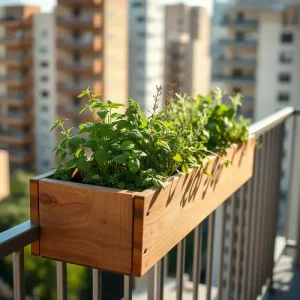
For those with limited space, vertical gardening is one of the most innovative Sustainable Gardening Methods. Using trellises, wall planters, and stacked containers, you grow upwards instead of outwards. This method is perfect for balconies, patios, or small urban gardens.
Traditional gardens may require large land areas, but vertical systems optimize small spaces while still producing abundant herbs, vegetables, and flowers.
Visualize Your Garden Thriving in Harmony With Nature
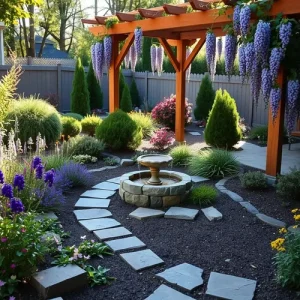
Close your eyes and imagine your garden lush, vibrant, and teeming with life—not just plants, but bees, butterflies, and birds, all coexisting in balance. That’s the true reward of embracing Sustainable Gardening Methods.
These methods don’t just lead to healthier plants—they create healthier gardeners, communities, and ecosystems. When you align your gardening practices with nature’s rhythms, you cultivate joy, reduce waste, and make a positive contribution to the world around you.
Start Your Eco-Friendly Gardening Journey Today
It’s easier than you think to begin. Pick one or two Sustainable Gardening Methods that resonate with you. Maybe you’ll start composting this weekend or install a rain barrel next month. Perhaps you’ll experiment with no-till beds or companion planting in your next season.
Each small step leads to a bigger impact. By adopting Sustainable Gardening Methods, you’ll transform your garden into more than just a place to grow food or flowers—it will become a living, breathing symbol of hope, health, and harmony.
Related reading: see this related guide and compare more options here.