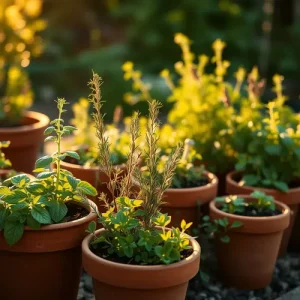
Implementing organic backyard landscaping ideas is the most effective way to foster a resilient ecosystem while enhancing your home’s aesthetic appeal. By prioritizing natural processes, you reduce the need for synthetic chemicals and create a balanced environment that supports local pollinators and soil health. Whether you are starting with a blank slate or renovating an existing lawn, adopting sustainable methods ensures your outdoor space remains productive and beautiful for years to come.
Designing with Native Plant Species
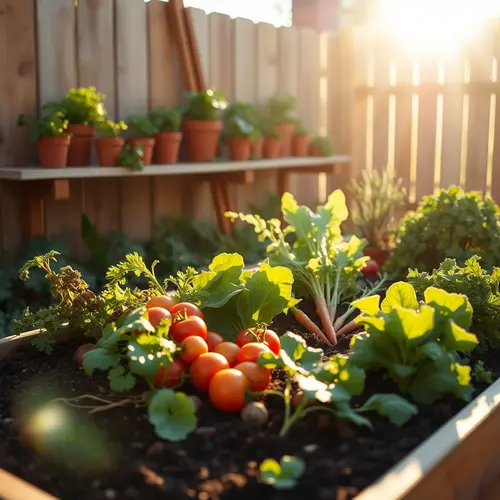
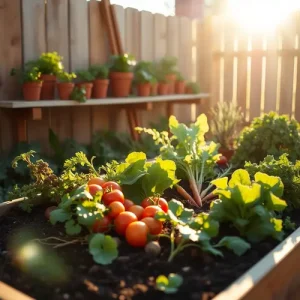
The foundation of any sustainable outdoor space lies in selecting vegetation that is naturally adapted to your local climate and soil conditions. Native plants require significantly less water, fertilizer, and pest control than exotic ornamentals because they have evolved to thrive in your specific region. By integrating these species, you create a low-maintenance habitat that provides essential resources for birds, bees, and butterflies. When planning your layout, group plants with similar water and light requirements to maximize efficiency. This practice, often called hydro-zoning, prevents over-watering and ensures that every plant in your garden receives the precise care it needs to flourish. For those interested in expanding their home production, learning how to manage a Spring Vegetable Garden can complement your native plantings by providing fresh produce while maintaining ecological balance.
Implementing Organic Backyard Landscaping Ideas
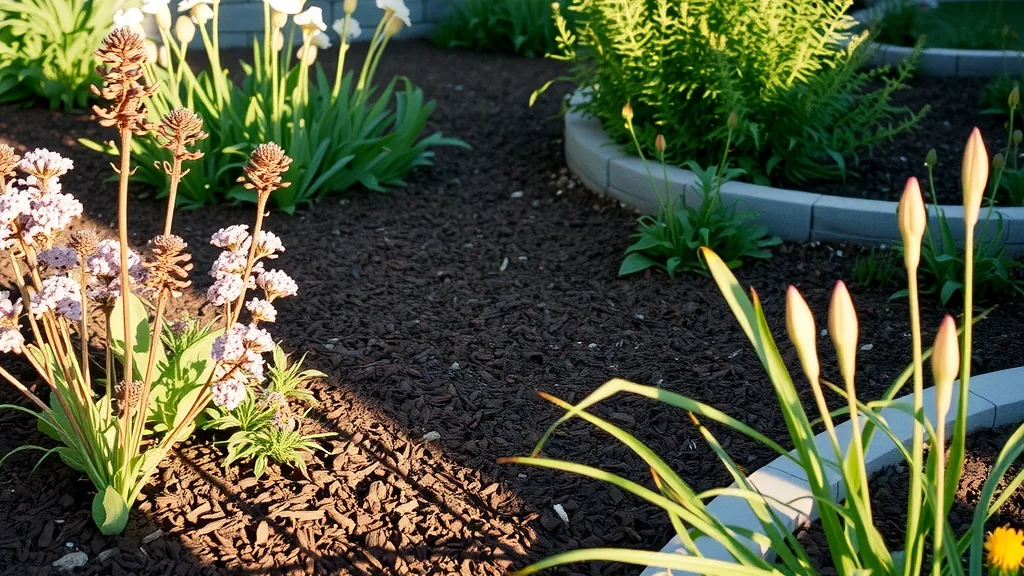
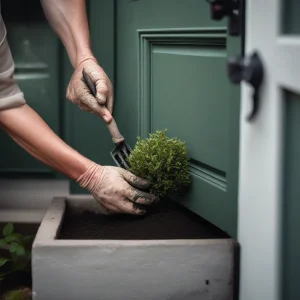
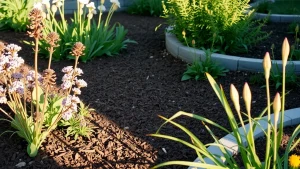
When you commit to organic backyard landscaping ideas, you shift your focus toward soil biology rather than quick-fix chemical solutions. Healthy soil is the lifeblood of a garden, teeming with microorganisms that break down organic matter and make nutrients available to roots. Start by testing your soil pH and structure, then amend it using high-quality compost or leaf mold. Avoid synthetic nitrogen fertilizers, which can leach into groundwater and disrupt the soil microbiome. Instead, use organic mulches like wood chips or straw to retain moisture, suppress weeds, and slowly enrich the earth as they decompose. This approach not only improves plant health but also sequesters carbon, making your backyard a positive contributor to environmental health. If you are looking for more ways to optimize your home environment, consider how your outdoor choices reflect the quality of your indoor living space, much like choosing the Best Mattress for Sleep to improve your daily recovery.
Water Management and Hardscaping
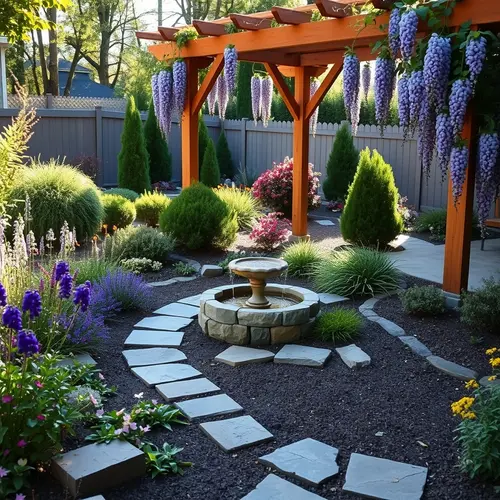
Efficient water usage is a cornerstone of sustainable design. Instead of relying on traditional irrigation systems that lose water to evaporation, consider installing rain barrels to capture runoff from your roof. This harvested water is ideal for hydrating your garden during dry spells. When choosing materials for patios, walkways, or retaining walls, opt for permeable options that allow water to soak back into the ground rather than running off into storm drains. Natural stone, gravel, and reclaimed brick are excellent choices that add texture and character without the environmental footprint of poured concrete. By reducing impermeable surfaces, you mitigate erosion and help recharge local aquifers. Thoughtful hardscaping defines the flow of your garden, creating functional zones for relaxation or dining while maintaining a seamless connection to the natural elements surrounding your home. Always ensure your design choices align with local building codes and environmental regulations for long-term stability.
Natural Pest and Disease Control
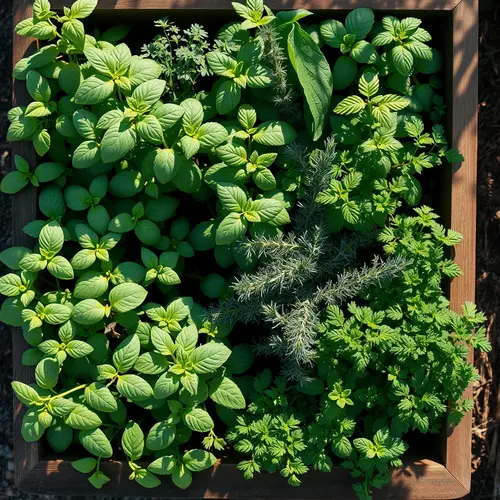
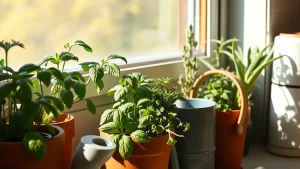
Maintaining a chemical-free garden requires a proactive approach to pest management. Rather than reaching for toxic sprays, focus on building a diverse garden that attracts beneficial predators like ladybugs, lacewings, and predatory wasps. These natural allies will keep aphid and mite populations in check without damaging the food web. Companion planting is another powerful tool; for instance, marigolds can deter certain nematodes, while aromatic herbs like basil and dill can confuse pests looking for host plants. If an infestation occurs, manual removal or a simple application of neem oil or insecticidal soap is often sufficient. Regularly inspect your plants for signs of stress, as healthy, well-nourished plants are far more resistant to disease. If you are passionate about controlled environments, you might also find interest in the precision required for a Hydroponic Setup to grow herbs, which mirrors the careful monitoring needed in a healthy organic landscape.
Advanced Organic Backyard Landscaping Ideas
To truly master organic backyard landscaping ideas, you must view your property as a closed-loop system. This means recycling as much waste as possible back into the landscape. Composting kitchen scraps and yard trimmings provides a steady supply of nutrient-rich fertilizer that keeps your garden thriving without external inputs. Consider designating a section of your yard for a brush pile or a log stack, which serves as a vital shelter for beneficial insects and small amphibians. For those with larger spaces, planting a hedgerow of native shrubs creates a windbreak and a privacy screen while offering nesting sites for birds. This holistic strategy reduces your reliance on store-bought supplies and fosters a deeper connection to the seasonal cycles of your garden. According to the USDA Natural Resources Conservation Service, protecting soil health is the primary driver of successful long-term land management and productivity.
Maintenance and Long-Term Stewardship
Sustainability is a continuous process rather than a one-time project. Regular maintenance in an organic garden involves observing, learning, and adjusting your techniques based on what the plants tell you. Prune dead or diseased branches to improve airflow, mulch beds annually to protect the soil, and divide perennials when they become overcrowded. Keep a garden journal to track what works and what doesn’t, noting bloom times, harvest yields, and pest outbreaks. This data will help you refine your approach each season. As you become more experienced, you may want to integrate more complex growing systems, such as those discussed in our guide on Indoor Grow Equipment, to extend your gardening season year-round. Remember that the goal is not perfection, but rather the creation of a vibrant, living space that sustains itself and provides a peaceful retreat for you and your family. For more insights on our philosophy and expert tips, feel free to visit our About Us page.
Feature
Chemical-Based
Organic Approach
Soil Health
Depletes over time
Improves with compost
Water Needs
High due to runoff
Low via retention
Pest Control
Broad-spectrum toxins
Beneficial insects
Cost
Recurring supply fees
Low (self-sustaining)
How can I start transitioning to an eco-friendly garden?
Begin by testing your soil and adding organic compost to improve structure. Replace high-maintenance turf grass with native groundcovers and shrubs that require less water. Focus on building healthy soil biology, which naturally reduces the need for synthetic fertilizers and helps your plants thrive with minimal human intervention.
Is it expensive to maintain a sustainable outdoor space?
While initial setup costs for native plants or hardscaping can vary, the long-term expenses are significantly lower. By creating your own compost, harvesting rainwater, and selecting hardy local vegetation, you eliminate the need for costly chemical fertilizers, pesticides, and excessive water bills, making it a very economical choice.
How do I manage weeds without using toxic chemicals?
Use thick layers of organic mulch, such as wood chips or straw, to suppress weed growth by blocking sunlight. For existing weeds, manual removal is most effective when the soil is moist. Planting densely with native perennials also leaves little room for unwanted vegetation to take root in your beds.