The Ultimate Guide to Starting a Successful Herb Garden
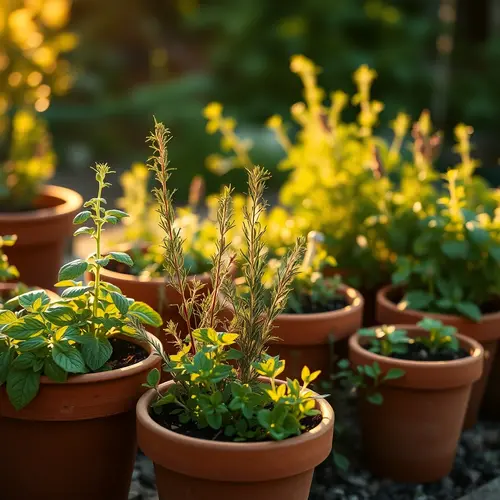
herb garden
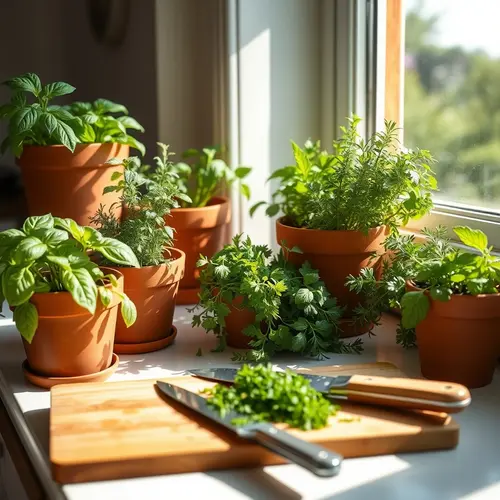
A herb garden is a dedicated space where you grow culinary and medicinal herbs for easy access, fresh flavor, and health benefits. Starting one is simple: choose a sunny spot, prepare well‑draining soil, and select herbs that match your climate and cooking habits. With basic care, you’ll enjoy a steady supply of homegrown herbs year‑round.
Planning Your herb garden: Site, Soil, and Sunlight
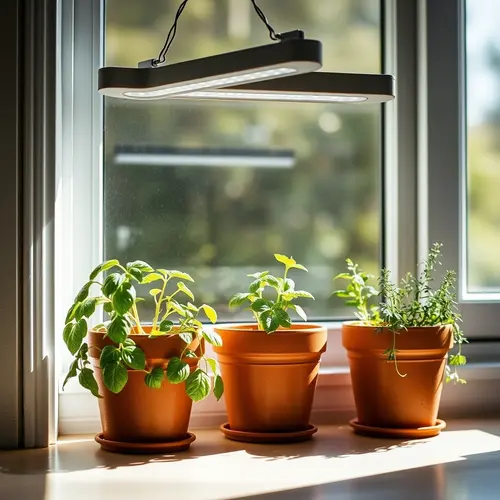
Most culinary herbs thrive with six to eight hours of direct sunlight each day, according to the USDA’s Plant Hardiness Zone Map. In a herb garden, sunlight exposure directly affects leaf oil concentration, influencing aroma and taste. If light is limited, choose shade‑tolerant varieties like mint or parsley, and ensure soil is loose, rich in organic matter, with a pH between 6.0 and 7.0.
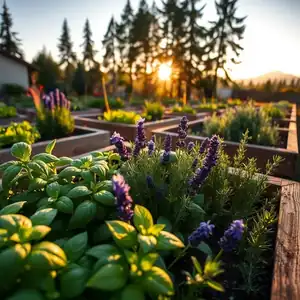
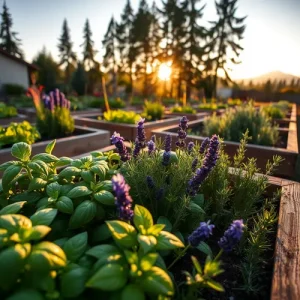
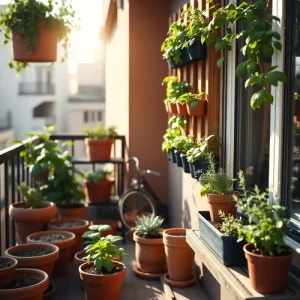
Raised beds or containers work well for a herb garden because they improve drainage and let you control soil quality. Use a mix of two parts compost, one part perlite, and one part loam for a balanced medium. Water deeply once a week, allowing the top inch of soil to dry between irrigations.
Choosing the Right Herbs for Your herb garden
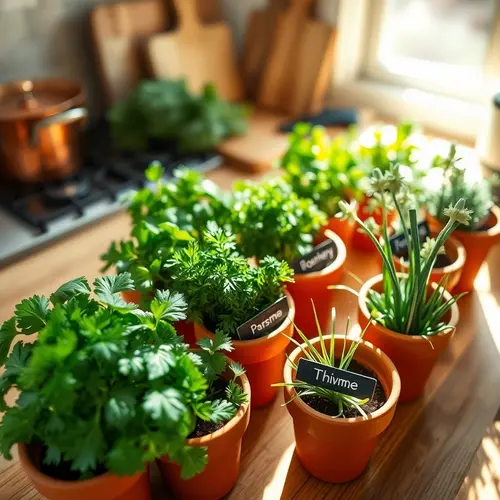
When planning a herb garden, start with versatile basics such as basil, thyme, and rosemary, which are highlighted in the Better Homes & Gardens guide to kitchen herbs. These species prefer warm temperatures and well‑draining soil. For cooler climates, add chives, parsley, and cilantro, which tolerate light frost.
Consider the growth healthy habit of each herb. Upright growers like rosemary and sage need vertical space, while spreading types such as oregano and thyme benefit from wider containers. Group herbs with similar water needs together to simplify irrigation scheduling.
Maintaining a Healthy herb garden
Regular harvesting encourages bushier growth and prevents flowering, which can reduce leaf flavor in many herbs. Use clean scissors to cut just above a leaf node, removing no more than one‑third of the plant at a time. Fertilize lightly with an organic blend low in nitrogen, as excessive nutrients promote leafy growth at the expense of essential oils.
| Herb | Sunlight (hrs/day) | Water Frequency | Harvest Start (weeks) |
|---|---|---|---|
| Basil | 6‑8 | Keep soil moist | 6‑8 |
| Thyme | 6‑8 | Allow top inch to dry | 8‑10 |
| Rosemary | 6‑8 | Water sparingly | 10‑12 |
| Mint | 4‑6 (partial shade) | Keep soil consistently moist | 4‑6 |
| Parsley | 4‑6 | Keep soil moist | 7‑9 |
- Select a location with at least six hours of sunlight.
- Prepare soil or fill containers with a well‑draining mix.
- Choose herbs based on climate and culinary use.
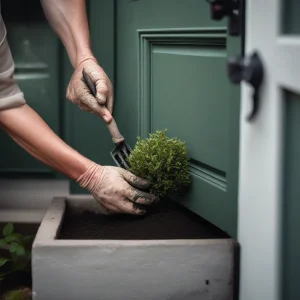
- Plant seedlings or sow seeds at recommended spacing.
- Water gently after planting and maintain consistent moisture.
- Mulch to retain moisture and suppress weeds.
- Harvest regularly to encourage new growth.
Expert Insight: Avoiding Overwatering in a herb garden
Overwatering is the most frequent mistake reported by home gardeners, according to a survey conducted by the University of Florida IFAS Extension. Symptoms include yellowing leaves, root rot, and a decline in essential oil production. To prevent this, check soil moisture two inches below the surface before watering and use pots with drainage holes.
Case Study: Reviving a Leggy Basil Plant
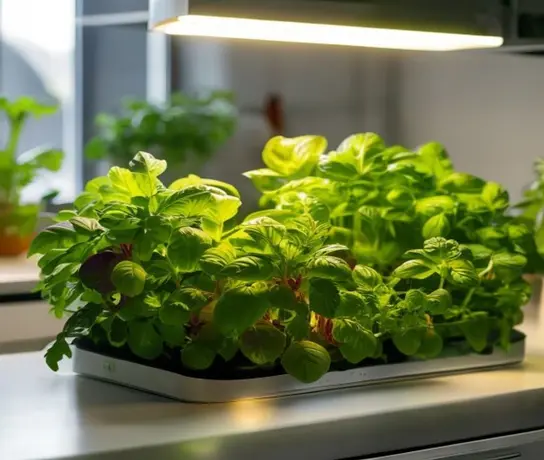
A homeowner noticed their basil becoming tall and sparse after three weeks of growth. By reducing water frequency, increasing light exposure to eight hours daily, and pinching back the top set of leaves, the plant resumed compact growth within ten days. This adjustment boosted leaf yield by approximately thirty percent compared to the untreated control.
Final Thoughts on Your herb garden
A thriving herb garden supplies fresh flavor, supports pollinators, and offers a low‑maintenance way to connect with nature. By following the principles of site selection, soil preparation, and mindful watering, you create a resilient green space that rewards you season after season. Enjoy the process, and let your herbs inspire every meal.