Home Improvement: What Actually Adds Value in 2026
Home improvement spending pays off when the project solves a real problem for the next owner, not when it matches a trend on social media. A new kitchen can add value, but so can a healthy lawn, a secure front door, and an attic that no longer leaks heat. The list below ranks projects by resale return, daily livability, and the risk of hidden costs.
A smart home improvement plan starts with a walk-through of your property from the street. Note the first three things a buyer would see and the first three things you would repair before listing. That short list is usually a better guide than a contractor’s showroom. Use the cost table as a planning range, then get local quotes before you commit.
Home Improvement: What Adds Value in 2026
Buyers still pay for function, light, and low maintenance, which is why the best home improvement projects solve a daily problem. Projects that reduce operating costs or repair risk tend to hold value better than cosmetic upgrades with a short trend cycle. In a slower market, the gap widens: a well-maintained roof and efficient windows beat a luxury finish that hides deferred maintenance.
Value also depends on your neighborhood. An expensive kitchen in a modest block may not appraise at the same rate as the same kitchen in a higher-priced area. Ask a local agent for the two or three upgrades buyers ask about most often in your price band.
7 Proven Home Improvement Projects With the Best ROI
Each home improvement project below is ranked for typical resale return and practical benefit. Your climate, labor market, and home age will shift the numbers. Treat the order as a starting point, not a guarantee.
1. Kitchen refresh rather than full remodel
Refacing cabinets, replacing hardware, and upgrading lighting costs far less than a full gut renovation. Keep the layout if it works, and spend on durable countertops and a functional sink. Buyers notice storage and light before they notice brand names.
2. Minor bathroom update
A new vanity, low-flow fixtures, fresh grout, and a clean exhaust fan improve both comfort and efficiency. Avoid moving plumbing unless the layout is truly broken. Water damage is the hidden risk, so fix leaks before cosmetic work.
3. Garage door replacement
A new garage door is one of the most visible exterior upgrades and often returns a large share of its cost. Choose a style that matches the house and a material suited to your climate. Add insulation if the garage shares a wall with living space.
4. Entry door upgrade
A solid, well-insulated front door improves security, curb appeal, and energy performance. Paint the trim, replace worn weather stripping, and add proper lighting. The entry is the first close-up a buyer sees.
5. Siding and exterior repair
Repair rot and loose siding before replacing whole sections. New siding can transform the exterior, but proper flashing and drainage matter more than the color. Poor installation can trap moisture and create a much larger repair.
6. Insulation and air sealing
Attic insulation and air sealing reduce heating and cooling bills and make rooms more comfortable. Check for gaps around pipes, recessed lights, and the attic hatch. Pair this with a programmable thermostat and regular filter changes.
7. Landscaping and curb appeal
A clean lawn, defined beds, and low-maintenance plants deliver a strong first impression for a modest budget. Replace overgrown shrubs, add mulch, and repair the walkway. A simple plan beats a collection of impulse purchases.
Cost vs value planning table
| Project | Typical cost range | Value driver | Risk to watch |
|---|---|---|---|
| Kitchen refresh | $8,000-$25,000 | Function, storage, light | Hidden plumbing or electrical |
| Bathroom update | $5,000-$15,000 | Comfort, water efficiency | Moisture and mold |
| Garage door | $1,500-$4,000 | Curb appeal, security | Improper installation |
| Entry door | $1,000-$3,500 | Security, efficiency | Frame rot |
| Siding repair | $2,000-$15,000 | Durability, appearance | Trapped moisture |
| Insulation | $1,500-$5,000 | Lower energy bills | Air gaps left open |
| Landscaping | $500-$5,000 | First impression | High water demand |
Home Improvement Cost Estimator
Use this home improvement cost estimator as a planning range, not a bid. Start with the project scope, add permits, disposal, and a contingency, then compare three local quotes. The table below reuses the ranges above so you can see which projects carry the widest spread and where hidden damage can blow the budget.
| Project | Low estimate | High estimate | Main cost risk |
|---|---|---|---|
| Kitchen refresh | $8,000 | $25,000 | Hidden plumbing or electrical |
| Bathroom update | $5,000 | $15,000 | Moisture and mold |
| Garage door | $1,500 | $4,000 | Improper installation |
| Entry door | $1,000 | $3,500 | Frame rot |
| Siding repair | $2,000 | $15,000 | Trapped moisture |
| Insulation | $1,500 | $5,000 | Air gaps left open |
| Landscaping | $500 | $5,000 | High water demand |
Best Home Improvements to Prioritize
The best home improvements solve a visible problem, reduce operating costs, or protect the structure. Start with the garage door, entry door, and insulation if you want the strongest combination of curb appeal and efficiency. A kitchen refresh and bathroom update add comfort and resale value, but they carry the largest hidden-cost risk. Landscaping delivers the fastest first impression for the smallest budget. Fix safety and water issues before any cosmetic upgrade.
How to Turn the Estimate Into a Budget
Add the quote, permit fees, disposal, and a contingency of 10 to 20 percent. If the total crosses your limit, cut scope before you cut the contingency. A low bid that excludes permits, repair of hidden damage, or debris removal is not a lower price; it is an incomplete one. Keep the safety reserve separate from the appearance budget, and pause the cosmetic phase if costs run ahead. A written change order protects both sides when the scope moves.
Low-Cost Curb Appeal With Plants
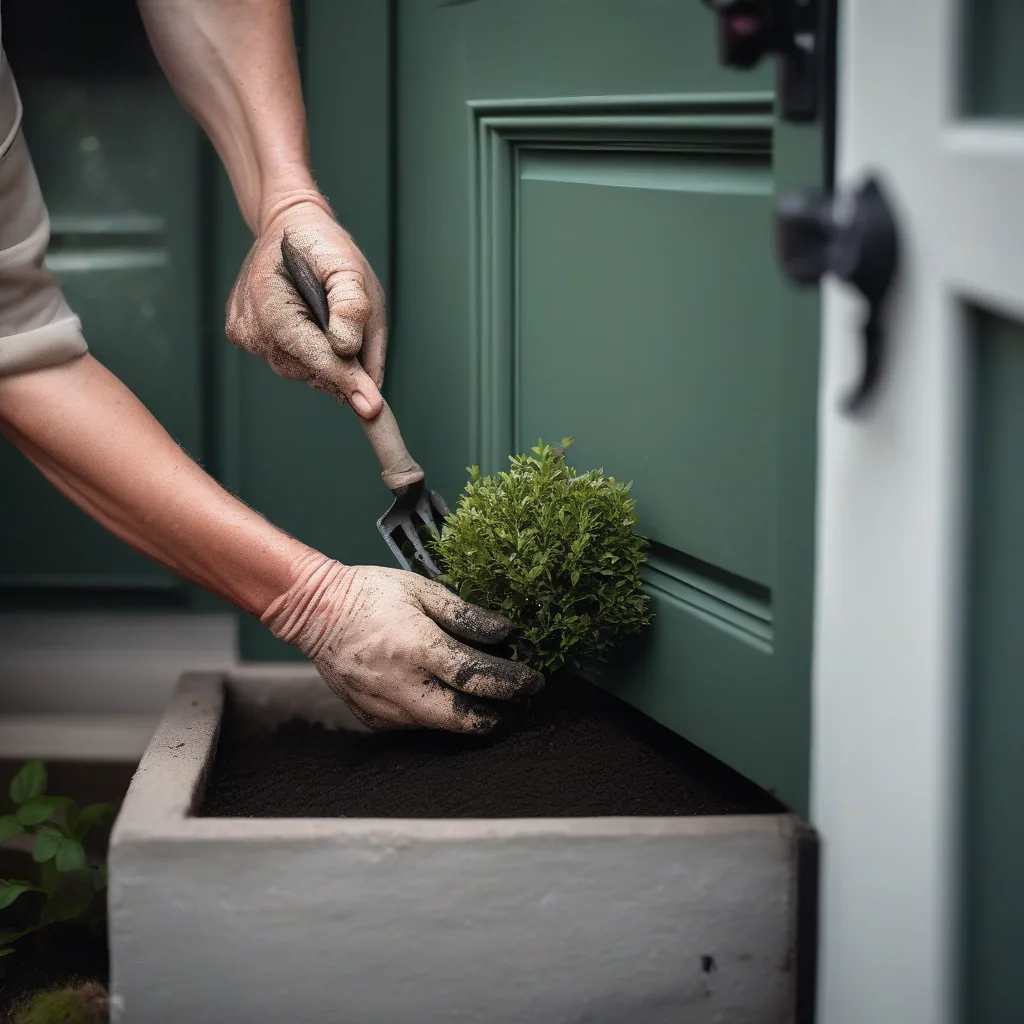
Low-cost home improvement often starts with plants that soften hard edges and make a property feel cared for. Choose species that suit your light, soil, and rainfall rather than plants that need constant attention. Group three to five of the same plant for visual weight, and repeat a color along the path.
- Use low-maintenance shrubs for structure near the entry.
- Add seasonal color in pots instead of replanting beds every year.
- Cover bare soil with mulch to retain moisture and suppress weeds.
- Edge beds for a clean line that reads well in photos.
- Choose native or climate-adapted plants to reduce watering.
If you want a fuller redesign, follow a landscape garden design plan instead of buying plants one at a time. A simple irrigation timer and a layer of mulch often do more than an expensive specimen tree.
Energy Efficiency Upgrades That Pay Back
An energy-focused home improvement reduces bills and improves comfort, but the payback period varies by climate and utility rates. Start with the cheapest measures: air sealing, LED lighting, and a smart thermostat. Then consider insulation and window upgrades where the building envelope is weak.
The ENERGY STAR home efficiency guide explains how to prioritize envelope improvements before mechanical systems. Ask your utility about rebates and tax credits, and keep receipts for any qualified work. A smaller project with a rebate may beat a larger one without support.
Permits, DIY Limits, and Contractor Checks
Any home improvement that changes structure, electrical work, plumbing, or a deck usually requires a permit. Skipping the permit can delay a sale and force expensive corrections. Call your local building department before you buy materials, and ask what inspections are required.
For any sizable home improvement, collect three written bids with scope, timeline, and payment schedule. Verify the license and insurance, and never pay the full amount upfront. A reasonable deposit and milestone payments protect both sides. For outdoor work, pair structural choices with sustainable gardening methods to reduce long-term maintenance.
Common Mistakes That Hurt Resale
The biggest mistake is over-improving for the neighborhood. The second is choosing materials that look expensive but wear quickly. The third is hiding a repair instead of fixing it; buyers and inspectors eventually find the evidence.
Also avoid turning a flexible room into a single-purpose space with no easy conversion. Keep at least one bathtub if the home has only one bathroom, and do not remove closets without adding storage elsewhere. These choices shrink the pool of interested buyers.
Plan for the mess, the permits, and a contingency of 10 to 20 percent. A home improvement project should leave the house safer, cheaper to run, or easier to live in. If a project does none of those things, it is decoration, not an investment. The best home improvement plan is the one you can finish without borrowing from next year. Choose the first three fixes a buyer would notice, complete them well, and let the rest wait for the next budget cycle.
How to Budget a Phased Project
Split the work into three phases: safety, efficiency, and appearance. Safety covers roof leaks, electrical faults, and trip hazards. Efficiency covers insulation, air sealing, and lighting. Appearance covers paint, plants, and finishes. Complete each phase before starting the next so a surprise repair does not strand the project halfway.
Set a contingency of 10 to 20 percent and keep it separate from the cosmetic budget. Get bids in writing with a clear scope, and ask what is excluded. A low bid that omits disposal, permits, or repair of hidden damage is not a lower price; it is an incomplete one.
- Phase 1: safety and structural repairs
- Phase 2: insulation, sealing, and lighting
- Phase 3: paint, plants, and finishes
A phased home improvement plan protects the safety reserve before cosmetic spending begins. Track spending weekly and compare it with the plan. If costs run ahead, pause the appearance phase rather than borrowing from the safety reserve. A phased budget keeps the house livable while the work moves forward.
Review the budget at the end of each phase and move any savings forward. Ask each contractor what happens if the scope changes mid-phase. A written change order protects both sides and keeps the final bill predictable.
FAQ
Which home improvement projects have the best ROI in 2026?
Kitchen refreshes, minor bathroom updates, garage doors, entry doors, siding repair, insulation, and landscaping usually rank well. Local prices, climate, and neighborhood price bands change the return. Ask a local agent which upgrades buyers ask about in your area before you set a budget.
Do I need a permit for landscaping or a deck?
Landscaping usually does not require a permit unless you change grading or drainage. Decks, fences, and structural work often do. Call your local building department before you buy materials or sign a contract, and ask which inspections and fees apply to your project.
Which upgrades should I skip before selling?
Skip luxury finishes that exceed the neighborhood, highly personalized spaces, and projects that hide a repair instead of fixing it. Also avoid removing the only bathtub or valuable storage. Spend on safety, efficiency, and the first impression instead, and keep receipts for any resale disclosure.