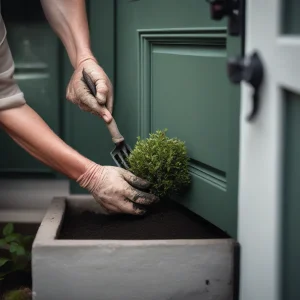
Landscape Garden Design: 7 Proven Ideas That Work
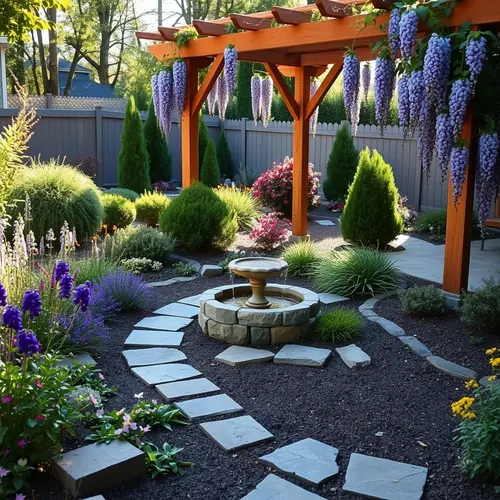
landscape garden
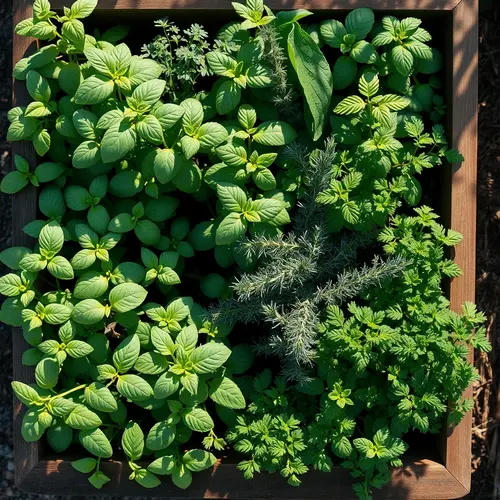
Design Principles for a Functional Layout
Begin with a clear vision that reflects the site’s natural contours, sunlight patterns, and intended use. A successful landscape garden balances form and function, ensuring pathways are usable while planting beds provide seasonal interest. Professionals often refer to the American Society of Landscape Architects guidelines, which emphasize unity, scale, and sustainability.Core Layout Strategies for a this approach
Use a focal point—such as a specimen tree, water feature, or sculpture—to anchor the design and guide the eye. Layer plantings from tall background specimens to medium shrubs and low ground covers to create depth and visual flow. Maintain proper spacing based on mature plant size to avoid overcrowding and reduce future maintenance.Site Assessment and Preparation
Conduct a soil test to determine pH, nutrient levels, and texture; amend with compost or sand as needed for optimal drainage. Observe sun and shade patterns throughout the day to match plant selections with light requirements. Mark existing utilities and drainage paths before any grading to prevent costly mistakes.Key Elements of a Successful landscape garden
Hardscape components like patios, retaining walls, and walkways provide structure and improve accessibility. Choose permeable pavers or gravel where possible to reduce runoff and support groundwater recharge. Integrate irrigation zones that match plant water needs, using drip lines for beds and smart controllers for lawns.Plant Selection for a landscape garden
Prioritize native species adapted to the local climate; they require less water, fertilizer, and pest management. Mix evergreens for year‑round structure with deciduous trees and shrubs that offer seasonal color and texture. Refer to the USDA Plant Hardiness Zone Map to ensure chosen plants will survive winter lows.Installation Steps
Clear the area of weeds and debris, then rough‑grade the site to direct water away from foundations. Install edging and hardscape before planting to avoid disturbing beds later. Plant in groups of odd numbers for a natural look, backfill with amended soil, and water thoroughly.Watering and Mulching a landscape garden
Apply a 2‑ to 3‑inch layer of organic mulch to conserve moisture, suppress weeds, and regulate soil temperature. Water deeply but infrequently, encouraging roots to grow deeper and become drought‑tolerant. Monitor soil moisture with a simple probe or by feeling the soil a few inches below the surface.Maintenance Calendar for Every Season
Spring: Prune dead wood, divide perennials, apply slow‑release fertilizer, and inspect irrigation. Summer: Monitor for pests, deadhead flowers to promote rebloom, and adjust watering during heat waves. Fall: Plant bulbs for spring bloom, cut back herbaceous perennials, and add a fresh mulch layer. Winter: Protect tender plants with burlap wraps, clean tools, and plan next year’s improvements.| Plant Type | Water Need | Maintenance Level | Example Species |
|---|---|---|---|
| Native Grasses | Low | Low | Little Bluestem, Switchgrass |
| Perennial Flowers | Medium | Medium | Coneflower, Black-eyed Susan |
| Evergreen Shrubs | Medium | Low | Boxwood, Inkberry |
| Ornamental Trees | Medium‑High | Medium | Dogwood, Japanese Maple |
- Inspect drainage after heavy rain to prevent standing water.
- Sharpen mower blades monthly for clean cuts that reduce disease.
- Rotate annual flower beds every two years to maintain soil health and fertility.
- Keep a garden journal to track bloom times, fertilizer applications, and observations.
Related reading: see this related guide and compare more options here.
How to Choose Plants for Your Zone
Start by listing the tasks that eat most of your week. Rank them by time cost, then match each one to a feature on your shortlist. Ask vendors for a live demo using your own data, not a canned sample. Check reviews from teams of your size, since enterprise feedback can mislead. Finally, test one option with a small pilot group before rolling it out to everyone.
Common Mistakes to Avoid
The biggest mistake is buying for features you will never use. Keep the stack lean and master the basics first. Another trap is skipping training, which leaves half the value on the table. Schedule one short session per week until the team is fluent. Review usage numbers monthly and drop tools nobody opens.
Final Verdict: Design Once, Enjoy Always
For most small teams, the answer is yes, provided you start lean and measure results. Pick one bottleneck, fix it well, then expand. Revisit your choice every year as pricing and features change. The detailed comparisons above give you a solid starting point.
Try the ideas in Landscaping Tricks: 7 Proven Ways to Grow Faster.
How do I start a landscape garden plan?
For a landscape garden that thrives, map sun, drainage, and paths before buying plants. Test soil pH early.
Which plants give year-round interest?
A landscape garden shines with evergreens, spring bulbs, and fall grasses layered together. Repeat key plants in drifts.
How much maintenance is realistic?
Mulch beds to cut weeding and water deeply twice weekly. A tidy landscape garden needs hours monthly, not daily.
Budgeting Your First Beds
Price soil, mulch, and starter plants before digging so totals stay predictable across seasons. Start with one bed this spring and expand next year.
:quality(85):upscale()/2024/10/16/248/n/1922794/b9a504fa6710994c436266.81373616_.jpg "Shira Gill's Home Organization Gift Ideas")