The Ultimate Guide to Herb and Kitchen Success: 7 Essential Tips
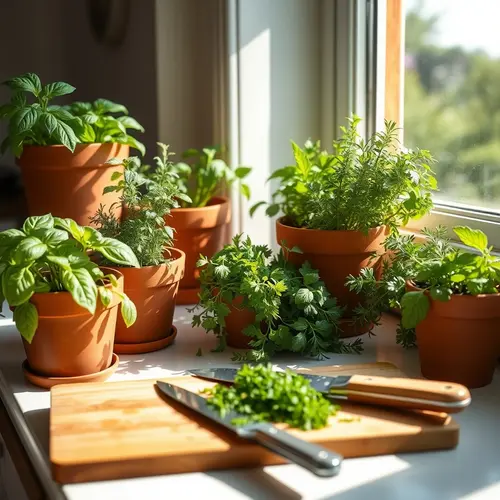
herb and kitchen
Creating a thriving herb and kitchen setup transforms your home cooking area, offering fresh flavors at your fingertips while eliminating wasteful grocery trips. With proper placement, adequate lighting, and intentional container choices, anyone can maintain a productive kitchen garden regardless of space or gardening experience.
1. Herb and Kitchen – Map Out Natural Light and Supplemental Lighting
Assessing the light conditions in your kitchen is the foundation of indoor gardening success. Most culinary herbs require a minimum of six hours of direct sun daily to produce the aromatic volatile oils responsible for rich flavors.
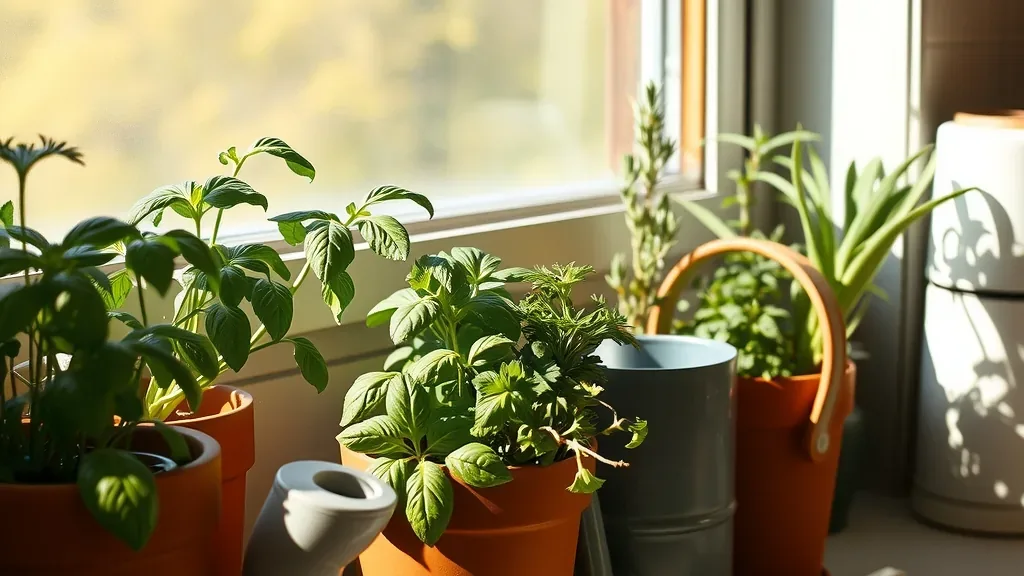
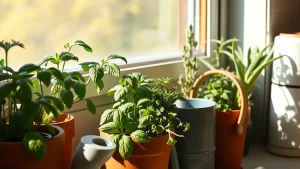
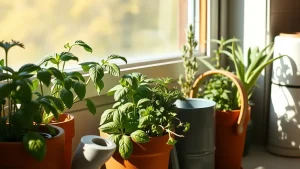
Window Placement: A south- or west-facing windowsill provides the strongest, most consistent light for sun-loving plants like basil and rosemary.
Preventing Shading: Position taller herbs on the sides of your window setup so they do not cast shadows over low-growing varieties like chives or thyme.
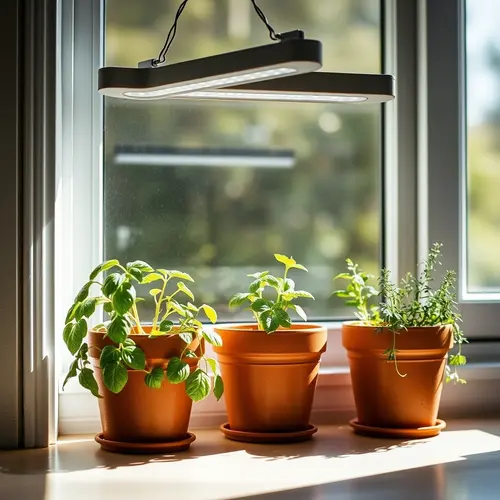
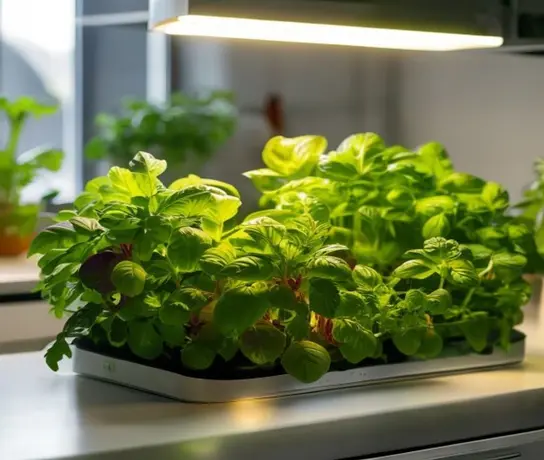
Supplemental Lighting: If natural sun is insufficient, install full-spectrum LED grow lights. Position the fixtures 12 to 18 inches above the foliage and run them for 12 to 14 hours daily to maintain vigorous growth.
2. Choose Containers Tailored to Herb and Kitchen Growth Habits
Proper drainage is mandatory when growing herbs indoors. Excess water trapped at the bottom of a pot quickly starves roots of oxygen, inviting fungal infections.
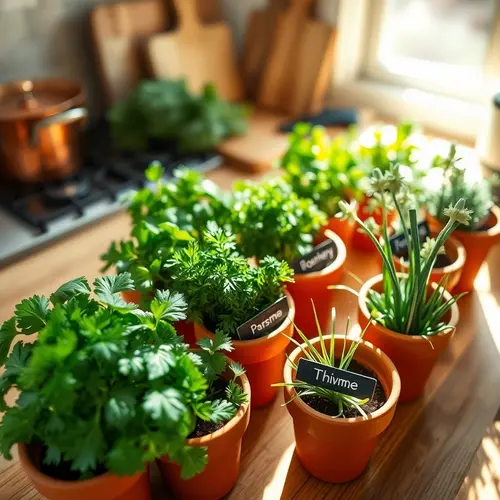
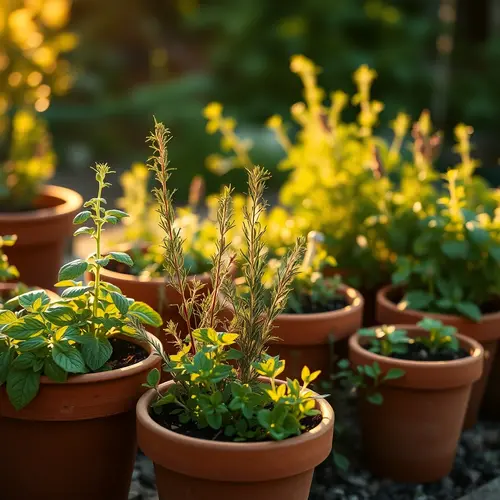
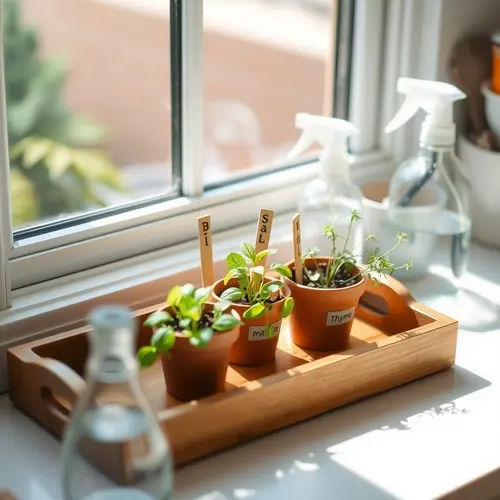
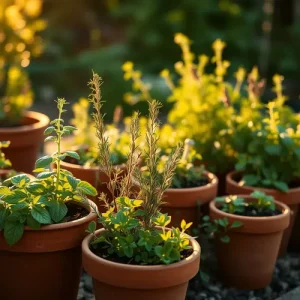
Terracotta Pots: Excellent for herbs that prefer dry soil conditions, such as thyme, oregano, and rosemary. The porous clay allows moisture to evaporate through the container walls.
Plastic or Glazed Ceramic: Best for moisture-loving plants like mint and parsley, as these materials slow down evaporation.
Sizing Guidelines: Start individual herbs in containers at least 6 inches in diameter. Fast-spreading herbs like mint require isolated, 8- to 10-inch pots to prevent root-binding and aggressive spreading.
3. Herb and Kitchen Formulate a Lightweight, Nutrient-Rich Soil Mix
Standard garden soil is too dense for container gardening; it compacts easily, restricts root expansion, and impedes drainage.
Use a high-quality, lightweight potting mix formulated specifically for indoor containers. A ideal mix consists of:
50% peat moss or coconut coir for moisture retention
30% perlite or vermiculite for aeration and drainage
20% organic compost for slow-release nutrients
Mix in a granular, slow-release organic fertilizer at planting time to provide balanced nourishment across the growing season without burning tender root systems.
4. Follow a Structured Herb and Kitchen Process
Proper transplanting techniques reduce root shock and establish strong anchor systems early on.
Fill the Pot: Pack the container two-thirds full with pre-moistened potting soil.
Prepare the Plant: Remove the herb seedling from its nursery tray and gently tease apart bound roots.
Position and Center: Place the plant in the center of the container, ensuring the root crown sits level with the pot rim.
Backfill Soil: Add remaining soil around the root ball, pressing down lightly to eliminate air pockets.
Initial Deep Water: Water thoroughly until moisture drains freely from bottom drainage holes, then place the pot in its designated sunny location.
5. Match Specific Herb and Kitchen Varieties to Ideal Care Routines
Different culinary herbs have distinct environmental requirements. The following breakdown highlights light, water, and harvest expectations for top varieties:
6. Troubleshoot Herb and Kitchen Overwatering and Prevent Root Rot
Container-grown kitchen herbs frequently suffer from excessive watering rather than underwatering.
Case Study Example: A home gardener noticed rapid yellowing and leaf wilting on a pot of indoor basil despite daily watering. The soil was saturated and emitted a sour odor—classic signs of root rot caused by poor drainage and waterlogged soil.
To rescue overwatered plants:
Pause irrigation immediately and move the container to a well-ventilated area.
Unpot the herb and gently inspect the root system. Trim away any black, mushy roots using sterilized shears.
Repot the herb into fresh, dry potting media mixed with extra perlite to increase aeration.
Adjust future watering routines to check soil moisture manually: only water when the top inch of soil feels completely dry to the touch.
7. Extend Growth Seasons and Preserve Peak Flavor
Positioning pots near drafty windows during winter or placing them too close to hot kitchen stoves creates stress that causes premature bolting (flowering). Utilizing a mini indoor greenhouse or cloche cover helps maintain stable humidity and temperatures, extending productivity throughout colder months. For a soil-free setup, follow this aerogarden cultivation guide from seed to harvest.
For peak flavor, harvest foliage in the early morning hours when essential oil concentrations are highest. Continuous pinch-harvesting—removing top leaf clusters just above a leaf node—encourages bushier growth and delays flowering. Store excess yields by chopping leaves into ice cube trays filled with olive oil and freezing them, or by hanging stems upside down in a cool, dark room for air-drying.
For related guidance, see Indoor Herb Garden Tips for Fresh Flavor Year-Round.
Herb and Kitchen – Map Out Natural Light and Supplemental Lighting
Assessing the light conditions in your kitchen is the foundation of indoor gardening success. Most culinary herbs require a minimum of six hours of direct sun daily to produce the aromatic volatile oils responsible for rich flavors.
Choose Containers Tailored to Herb and Kitchen Growth Habits
Proper drainage is mandatory when growing herbs indoors. Excess water trapped at the bottom of a pot quickly starves roots of oxygen, inviting fungal infections.
Herb and Kitchen Formulate a Lightweight, Nutrient-Rich Soil Mix
Standard garden soil is too dense for container gardening; it compacts easily, restricts root expansion, and impedes drainage. Use a high-quality, lightweight potting mix formulated specifically for indoor containers.
In practice, Herb and Kitchen works best when the basics are handled before anything else. A quick note on Herb and Kitchen: the follow-up matters as much as the first decision.