The Ultimate kitchen herbs list: 12 Must-Have Varieties for Flavorful Cooking
kitchen herbs list
Keeping a curated kitchen herbs list is one of the easiest ways to elevate your everyday cooking while cutting down on expensive, single-use grocery store clamshells. Fresh herbs deliver vibrant flavor, aromatic depth, and concentrated nutrients directly to your plate without extra sodium or artificial additives.
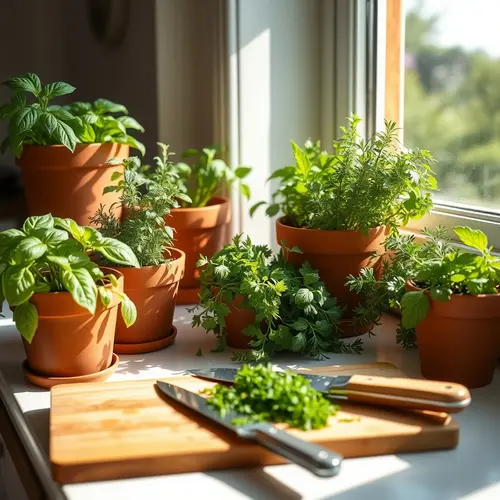
Whether you have a sprawling backyard plot, a cozy balcony, or a single sunny windowsill, selecting herbs that match your space and cooking habits ensures a rewarding, low-waste harvest year-round.
Core Kitchen Herbs List: Essential Varieties for Home Cooks
Building a reliable culinary garden starts with adaptable, versatile varieties that tolerate varied growing conditions and complement a wide range of dishes.
1. Basil (Ocimum basilicum)
Basil is the undisputed staple of warm-weather herbs. It prefers warm soil and 6 to 8 hours of direct sunlight daily, making it ideal for south-facing windowsills or summer patio pots. Pinch off the top leaf clusters regularly to encourage bushy growth and delay flowering.
-
Best Culinary Uses: Fresh pesto, margherita pizza, tomato sauces, and caprese salads.
2. Parsley (Petroselinum crispum)
A hardy biennial, parsley handles partial shade and requires steady, even moisture. It yields a continuous harvest throughout the year in moderate climates. Italian flat-leaf parsley offers a bolder culinary profile, while curly parsley provides robust texture for garnishes.
-
Best Culinary Uses: Chimichurri, tabbouleh, compound butter, stocks, and fresh garnishes.
3. Thyme (Thymus vulgaris)
Thyme is a resilient, low-water perennial that thrives in well-draining soil and sunny locations. Its creeping habit works exceptionally well in rock gardens, raised bed borders, or shallow containers alongside other Mediterranean herbs.
-
Best Culinary Uses: Roasted meats, pan sauces, root vegetables, and slow-cooked stews.
4. Rosemary (Salvia rosmarinus)
A woody perennial that loves heat and full sun, rosemary is exceptionally drought-tolerant once established. Allow the soil surface to dry out thoroughly between waterings to prevent root issues.
-
Best Culinary Uses: Roasted potatoes, focaccia bread, grilled poultry, and herb-infused olive oils.
Pro Tip for Peak Flavor: According to research from the USDA’s Agricultural Research Service, culinary herbs harvested early in the morning—just after the morning dew dries and right before the plant flowers—contain the highest concentration of volatile oils. Harvesting at this time preserves maximum aroma and taste compared to late afternoon picking.
Best Kitchen Herbs List for Small Spaces & Windowsills
When square footage is limited, choosing compact, slow-spreading cultivars prevents your indoor garden from overcrowding.
-
Dwarf Basil (‘Spicy Globe’): Retains a tight, spherical shape under 8 inches tall while delivering full-strength basil flavor.
-
Chives (Allium schoenoprasum): Form neat, upright clumps that easily fit into a standard 6-inch pot and produce vibrant, edible purple blooms.
-
Oregano (‘Compactum’): A low-growing ground cover strain that spreads slowly without overtaking neighboring pots.
Container & Soil Requirements
Container-grown herbs rely entirely on the potting medium for aeration and nutrients. The University of California Extension recommends using a well-draining container mix composed of peat moss, perlite, and organic compost.
Always pair containers with drainage saucers to catch excess run-off, protecting your windowsill while maintaining ambient humidity around the foliage.
How to Plant Container Kitchen Herbs List: Step-by-Step
Follow these sequential steps to establish a thriving indoor or patio herb container:
-
Select the Right Pot: Choose a container with at least one bottom drainage hole to prevent water stagnation.
-
Prep the Soil Mix: Fill the pot with pre-moistened, high-quality potting mix, leaving 1 inch of space below the rim.
-
Plant at Proper Depth: Place seeds or nursery transplants at their recommended soil depth, gently firming the mix around roots.
-
Initial Watering: Water gently using a fine-rose watering can until soil feels evenly moist but not waterlogged.
-
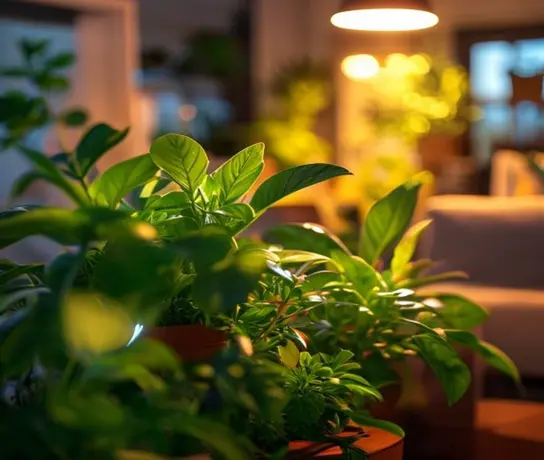
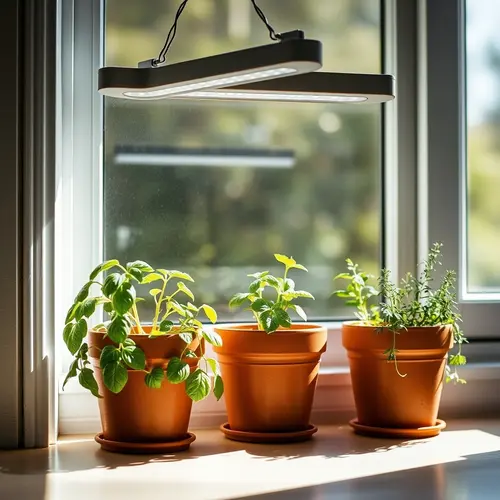
Position for Light: Place the container in a bright south-facing window or position under indoor grow lights for 12 to 14 hours daily.
Kitchen Herbs List Growing & Culinary Comparison
Use this quick reference guide to pair herbs with your available lighting and moisture conditions:
| Herb Variety | Sunlight Needs | Water Requirements | Primary Culinary Uses | Ideal Growing Location |
| Basil | Full Sun (6–8 hrs) | Moderate (keep moist) | Pesto, tomato sauces, salads | Warm windowsill / Patio |
| Parsley | Partial to Full Sun | Even moisture | Garnish, soups, chimichurri | Indoors / Shaded beds |
| Thyme | Full Sun | Low (dry top 1″ soil) | Roasts, marinades, stews | Rock gardens / Terra cotta pots |
| Mint | Partial Shade | High (consistently moist) | Teas, cocktails, desserts | Isolated single pot |
| Rosemary | Full Sun | Low (drought-tolerant) | Meats, sourdough, oils | Large outdoor containers |
| Chives | Partial to Full Sun | Moderate | Egg dishes, baked potatoes | Compact indoor window box |
Microclimate Matching & Companion Planting Guidelines
A common mistake in herb gardening is planting multiple species together under the assumption that they share identical care needs.
Avoiding Mismatched Microclimates
Consider a common windowsill scenario: planting basil, cilantro, and dill into a single shared planter. Within weeks, the cilantro often bolts (goes to seed prematurely) and the dill grows sparse and leggy, while the basil flourishes.
This happens because of conflicting microclimate requirements:
-
Cilantro & Dill: Prefer cooler temperatures and consistent soil moisture.
-
Basil: Demands high heat and slightly dryer soil conditions.
To keep all three thriving, group herbs by environmental preference—pairing Mediterranean varieties (rosemary, thyme, oregano) in one container, and moisture-loving annuals (parsley, chives, cilantro) in another.
Containing Invasive Roots
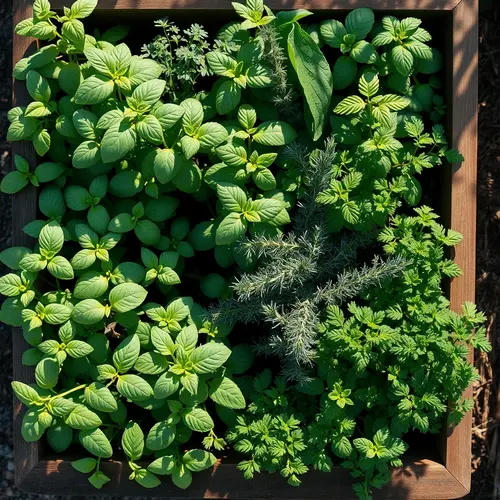
Spearmint and peppermint spread rapidly via underground runners called stolons. If planted directly alongside slower-growing herbs, mint quickly chokes out neighboring roots and starves them of nutrients. Always isolate invasive herbs in individual pots or use root barriers when planting in garden beds.
Pest Management & Long-Term Maintenance
-
Crop Rotation: If growing outdoor annual herbs, rotate planting locations every season to avoid soil fatigue and break pest life cycles.
-
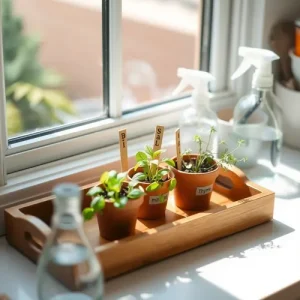
Natural Pest Control: Inspect the undersides of leaves weekly for common sap-suckers like aphids or spider mites. A gentle rinse with water or a spray of diluted neem oil manages infestations naturally without harming beneficial pollinators.
-
Season Extension: Utilizing a compact indoor greenhouse setup or indoor LED grow lights protects sensitive plants from sudden frost, extending your fresh harvest through late fall and winter.
What are the best Kitchen Herbs List for beginners?
Basil, chives, and mint are the easiest kitchen herbs for beginners. They germinate quickly, adapt well to container life, and give clear visual cues when they require watering.
Can you grow Kitchen Herbs List indoors year-round?
Yes. Most culinary herbs thrive indoors year-round if provided with adequate light (6+ hours of sunlight or 12–14 hours under artificial LED grow lights) and proper container drainage.
How often should you harvest kitchen herbs?
Harvesting small amounts frequently encourages bushier growth. As a rule of thumb, never remove more than one-third of the plant’s total foliage at a single time to ensure rapid recovery.