Indoor Grow Equipment – 7 Proven Ways to Grow Faster
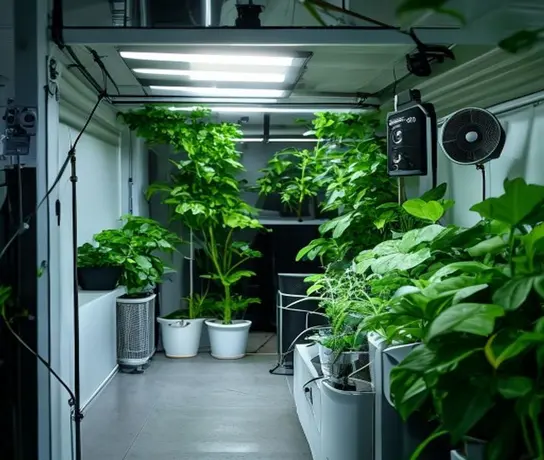
indoor grow equipment
Embarking on indoor cultivation requires a foundational understanding of the necessary tools. The essential this approach for successful plant growth includes grow lights, a ventilation system, environmental monitors, appropriate grow mediums, and nutrient solutions. This guide provides a comprehensive overview to help you select and configure your setup for optimal results.
The Core Pillars of Successful Indoor Cultivation
Successful indoor growing hinges on recreating and optimizing natural environmental conditions. This involves more than just a light bulb and a pot. Each piece of your setup plays a critical role in the plant’s life cycle with indoor grow equipment.this approach: The Heart of Your Grow Setup
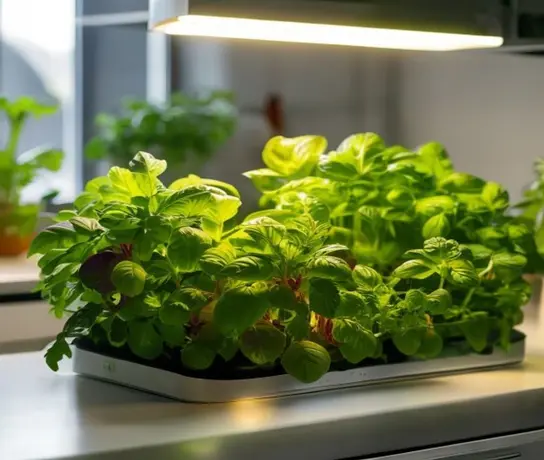
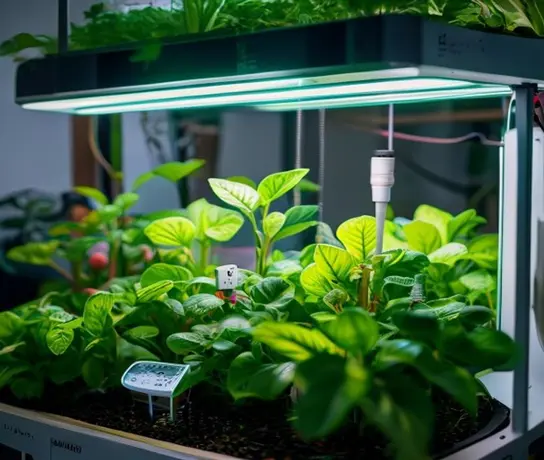
Light is the primary energy source for photosynthesis. Selecting the right grow lights directly impacts plant vigor and yield.- LED Grow Lights: Highly efficient and customizable. Modern LEDs offer full-spectrum light, mimicking natural sunlight, and allow for spectrum tuning across different growth stages. They produce less heat than traditional options, simplifying climate control.
- HID (HPS & MH) Lights: High-Intensity Discharge lights, including High-Pressure Sodium (HPS) for flowering and Metal Halide (MH) for vegetative growth, offer powerful output. They are cost-effective upfront but consume more energy and generate substantial heat, requiring robust ventilation.
- Fluorescent Lights (T5/CFL): Best for seedlings, clones, or supplemental lighting due to lower intensity. They are energy-efficient and produce minimal heat, making them suitable for propagation.
Mastering Environmental Control with indoor grow equipment
Maintaining stable temperature, humidity, and air quality is as crucial as providing light. This requires a suite of specialized equipment.indoor grow equipment – Air Circulation and Ventilation
Stagnant air leads to issues like mold, mildew, and pest infestations. A proper ventilation system is non-negotiable.- Exhaust Fan: Removes hot, stale air from the grow space, drawing in fresh air. Sizing it correctly for your grow area is vital.
- Carbon Filter: Attached to the exhaust fan, it scrubs odors from the air before expulsion, maintaining discretion.
- Intake Fan: Actively brings fresh air into larger grow spaces. For smaller setups, passive intake through vents can suffice.
- Oscillating Fans: These circulate air within the grow space, strengthening plant stems and preventing microclimates that foster disease.
indoor grow equipment – Climate Monitoring Tools
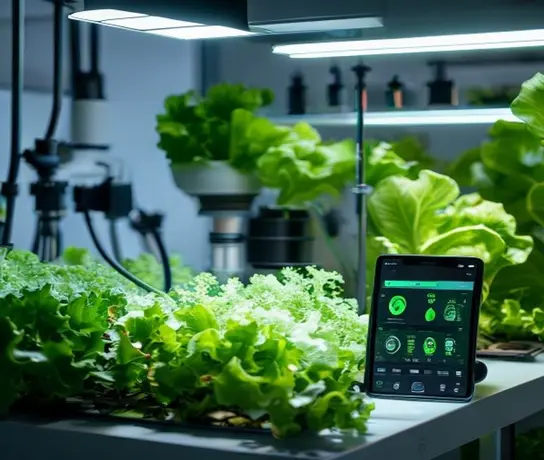
Accurate monitoring ensures your plants remain in their ideal environment. Essential tools include:- Thermometer/Hygrometer: Measures temperature and relative humidity, often combined into one unit.
- pH Meter: Crucial for checking the acidity or alkalinity of your nutrient solution or grow medium. Nutrient uptake is pH-dependent.
- EC/TDS Meter: Measures Electrical Conductivity or Total Dissolved Solids, indicating the concentration of nutrients in your water.
Substrate & Nutrition: Fueling Growth indoor grow equipment
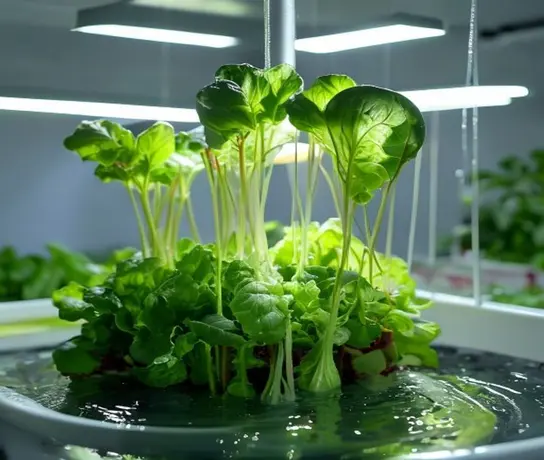
The foundation for root development and nutrient delivery comes from your chosen medium and feeding strategy.- Grow Mediums: Options range from traditional soil to soilless mixes like coco coir, rockwool, and hydroton for hydroponic systems. Each has specific requirements for watering and nutrient application.
- Nutrient Systems: Plants require a balanced diet of macro and micronutrients. Specialized hydroponic or soil-specific nutrient lines are formulated to provide exactly what plants need at different stages.
| Feature | LED Grow Lights | HPS Grow Lights |
|---|---|---|
| Energy Efficiency | High, lower operating costs | Moderate, higher operating costs |
| Heat Output | Low, easier climate control | High, requires robust cooling |
| Lifespan | Very long (50,000+ hours) | Moderate (10,000-24,000 hours) |
| Spectrum Control | Often tunable, full spectrum | Fixed spectrum (red/orange dominant) |
| Initial Cost | Higher | Lower |
Essential this approach and Automation
Beyond the core components, several accessories streamline operations and enhance plant health.- Grow Tents: Provide a dedicated, reflective, and controlled environment for small to medium setups. They contain light, odor, and humidity effectively.
- Pruning Tools: Essential for shaping plants, promoting airflow, and maximizing light exposure.
- Plant Supports: Stakes, trellises, or nets help support heavy branches and maintain plant structure.
- Watering Systems: From simple watering cans to automated drip systems or reservoirs for hydroponics, efficient water delivery is key.
Expert Opinion: The Unseen Power of indoor grow equipment Setup
Many novice growers focus solely on the flashy components, overlooking critical infrastructure: electrical safety. The cumulative power draw of grow lights, fans, and pumps can be substantial. According to electrical safety guidelines published by bodies like the National Electrical Code (NEC), it’s crucial to ensure your electrical circuits can handle the load. Overloaded circuits are a fire hazard. Always use surge protectors for sensitive electronics and, for larger setups, consider a dedicated circuit. Verify that your indoor grow equipment carries certifications such as UL or ETL, indicating compliance with safety standards. This often-ignored aspect is paramount for the longevity of your equipment and the safety of your home.Checklist for Starting Your indoor grow equipment
- Plan Your Space: Measure your area and consider airflow.
- Select Appropriate Lighting: Match light type and intensity to your plant’s needs and grow space.
- Install Robust Ventilation: Ensure proper air exchange and odor control.
- Invest in Monitoring Tools: Regularly check pH, EC, temperature, and humidity.
- Choose a Grow Medium & Nutrients: Understand their specific requirements.
- Prioritize Electrical Safety: Adequate circuits, surge protectors, and certified equipment are non-negotiable.
- Start Small, Learn, and Expand: Master the basics before scaling up.
Related reading: see this related guide and compare more options here.
How to Choose the Right Option for Your Business
Start by listing the tasks that eat most of your week. Rank them by time cost, then match each one to a feature on your shortlist. Ask vendors for a live demo using your own data, not a canned sample. Check reviews from teams of your size, since enterprise feedback can mislead. Finally, test one option with a small pilot group before rolling it out to everyone.