The Ultimate Guide to Starting a garden at home: 7 Proven Steps for Beginners
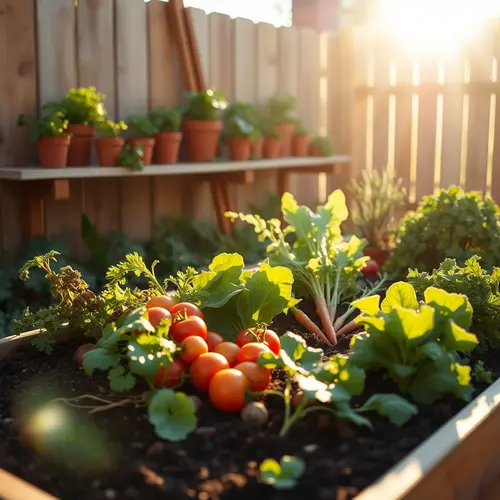
garden at home
Starting a garden at home is simpler than many think; you just need the right site, soil, and plant selection.
Why a garden at home Boosts Wellbeing
Research from the USDA shows that regular gardening lowers stress hormones and improves mood. Engaging with soil microbes can strengthen immune function, a finding supported by the University of California Extension. Even a modest setup yields fresh produce and a sense of accomplishment.
Key Steps to Launch Your garden at home
First, assess sunlight; most vegetables need six to eight hours of direct light daily. Second, test soil pH and amend with compost to reach a neutral range of 6.0‑7.0. Third, choose crops suited to your climate zone and space constraints.
- Map sun patterns over a full day to identify optimal beds.
- Use a simple soil test kit from a local garden center.
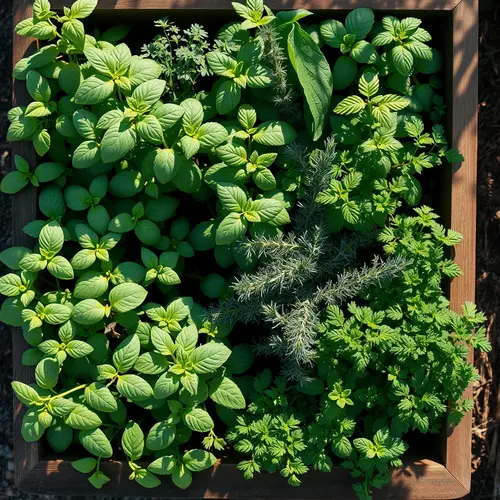
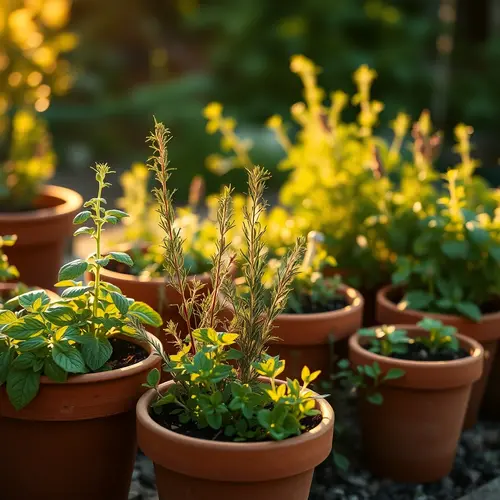
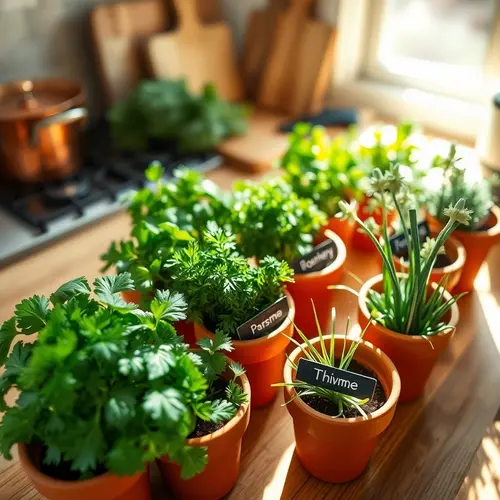
- Start with hardy varieties like lettuce, radish, and herbs.
| Soil Type | Drainage | Best For | Amendment Tips |
|---|---|---|---|
| Sandy | Fast | Root vegetables | Add compost and coconut coir |
| Clay | Slow | Brassicas | Incorporate gypsum and aged manure |
| Loam | Balanced | Most crops | Maintain with yearly compost top‑dress |
Debunking the Myth: You Need a Large Yard for a garden at home
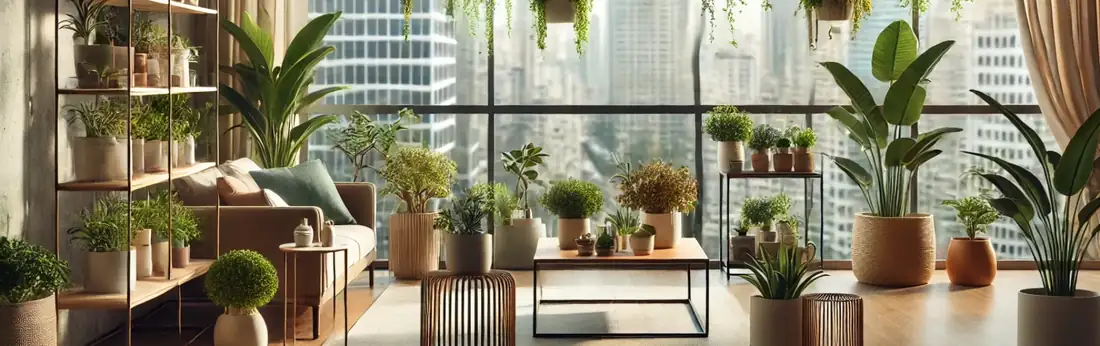
Many believe gardening requires acres, but container and vertical systems disprove that. According to the National Gardening Association, over 30 % of urban households grow food in pots or balcony boxes. The key is selecting dwarf cultivars and using lightweight potting mixes.
Expert opinion: A recent case study from a Denver apartment complex showed that ten residents collectively harvested 150 pounds of tomatoes and peppers using stacked planters and drip irrigation. Their success hinged on consistent watering schedules and regular feeding with organic fish emulsion.
Maintaining a Healthy garden at home Year‑Round
Rotate plant families each season to prevent soil‑borne diseases. Mulch with straw or shredded leaves to retain moisture and suppress weeds. Monitor for pests early; introduce beneficial insects like ladybirds before infestations spike.
Water deeply but infrequently to encourage deep root growth. A rain gauge helps you track actual precipitation and adjust irrigation. Fertilize sparingly; excess nitrogen promotes foliage at the expense of fruit.
Finally, keep a simple journal noting planting dates, varieties, and yields. Over time this log reveals patterns that improve efficiency and enjoyment. Your garden at home will evolve into a reliable source of nutrition, relaxation, and pride.